Epic Battles and Eternal Returns: Decoding the Architecture of Homer’s Masterpieces
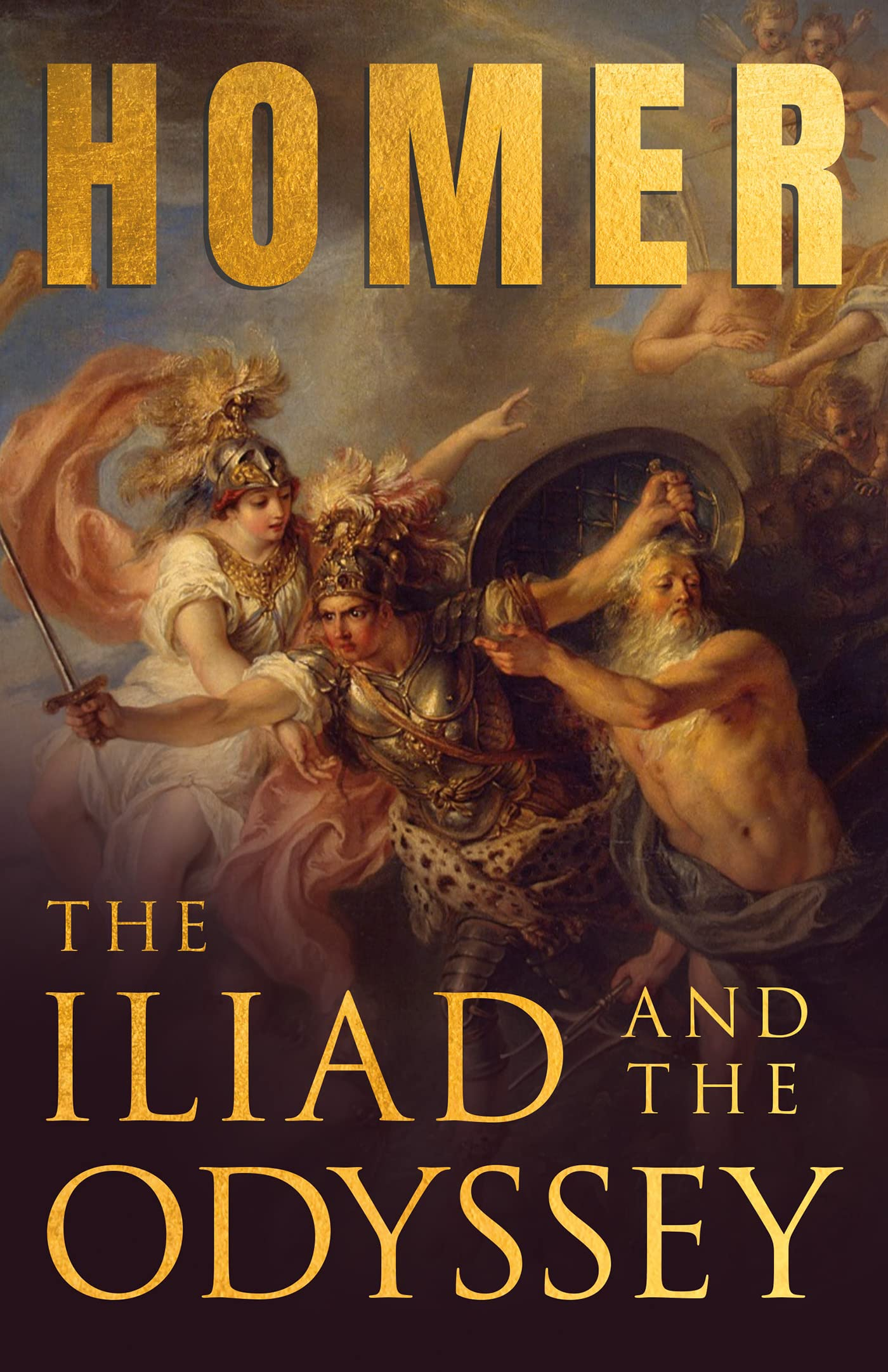
The Iliad and the Odyssey are more than just the foundational texts of Western literature; they are the DNA of storytelling itself. Traditionally attributed to the blind poet Homer around the 8th century BCE, these epics moved from a centuries-old oral tradition to written form, capturing the values, anxieties, and grandeur of the Greek Heroic Age. To analyze these works is to peer into the mechanics of honor, fate, and the human condition.
1. The Iliad: The Anatomy of Wrath
The Iliad is often mistaken for a complete history of the Trojan War. In reality, it covers only a few weeks in the tenth year of the siege. Its true subject is stated in the very first word of the poem: Menin (Wrath).
The Shield of Achilles and the Heroic Code
The narrative engine is the rage of Achilles. When King Agamemnon dishonors him by seizing his war-prize, Briseis, Achilles withdraws from battle. This highlights the concept of Timē (honor/worth) and Kleos (eternal glory). For the Homeric hero, life is short, so immortality is only achieved through the "unperishing glory" of heroic deeds.
A crucial literary device is the Epic Simile, where Homer compares battlefield carnage to peaceful scenes of nature or farming. This creates a haunting contrast between the destructive glory of war and the domestic life being lost. The climax—the death of the Trojan prince Hector and the subsequent meeting between Achilles and King Priam—shifts the poem from an anthem of war to a profound meditation on shared human suffering.
2. The Odyssey: The Architecture of Memory and Identity
If the Iliad is a poem of force, the Odyssey is a poem of the mind. It follows Odysseus, the "man of many twists and turns," on his ten-year journey home to Ithaca.
Polytropos and the Power of Xenia
Odysseus's defining trait is Metis (cunning intelligence). Unlike Achilles, who wins through brute strength, Odysseus survives through disguise and deception. The poem is structured around Xenia (the law of guest-friendship). Every stop on his journey—from the cave of the Cyclops to the palace of the Phaeacians—is a test of this social contract.
The narrative structure is remarkably modern, utilizing a Non-linear Timeline. We begin in media res (in the middle of things), with Odysseus's son Telemachus searching for his father, before jumping back in time to hear Odysseus narrate his own adventures in a long flashback.
3. Key Literary Themes and Devices
Both epics share a set of formal characteristics that allowed oral bards to perform thousands of lines from memory:
Epithets: Phrases like "swift-footed Achilles" or "rosy-fingered Dawn" aren't just decorative; they are rhythmic building blocks that helped the poet maintain the Dactylic Hexameter meter.
The Role of the Gods: In Homer, the gods act as both literal characters and psychological metaphors. When Athena pulls Achilles’ hair to stop him from drawing his sword, it represents both divine intervention and his own internal spark of restraint.
Fate (Moira): Even the gods are bound by Fate. The tension of the poems comes from the characters' struggle to find agency within a destiny that has already been spun.
4. The Homeric Question: Who was Homer?
In academic circles, the "Homeric Question" debates whether Homer was a single genius or a name given to a long lineage of oral poets.
The Analysts: Argue the poems are a patchwork of different "lays" or shorter poems sewn together (explaining inconsistencies in the text).
The Unitarians: Argue that the sophisticated structure and consistent themes point to a single master architect.
Oral-Formulaic Theory: Pioneered by Milman Parry and Albert Lord, this theory suggests that the "formulaic" nature of the language proves the poems were composed orally and evolved over generations before being frozen in ink.
Homer’s epics do not offer easy answers. They show us that war is both glorious and wretched, and that coming home is often as difficult as the battle itself. Through the use of Ring Composition (parallelism in the plot) and a deep empathy for both Greeks and Trojans, Homer created a universal mirror in which humanity has seen itself reflected for nearly three millennia.