In the Greek worldview, even the gods were subject to a power more ancient and unyielding than themselves: The Moirae, or the Fates. While Zeus ruled Olympus, the Moirae ruled the narrative of existence, ensuring that every mortal and immortal followed their "allotted portion" of destiny.
The concept of the Fates transformed the universe from a chaotic playground of divine whims into a structured, albeit tragic, tapestry.
1. The Three Sisters
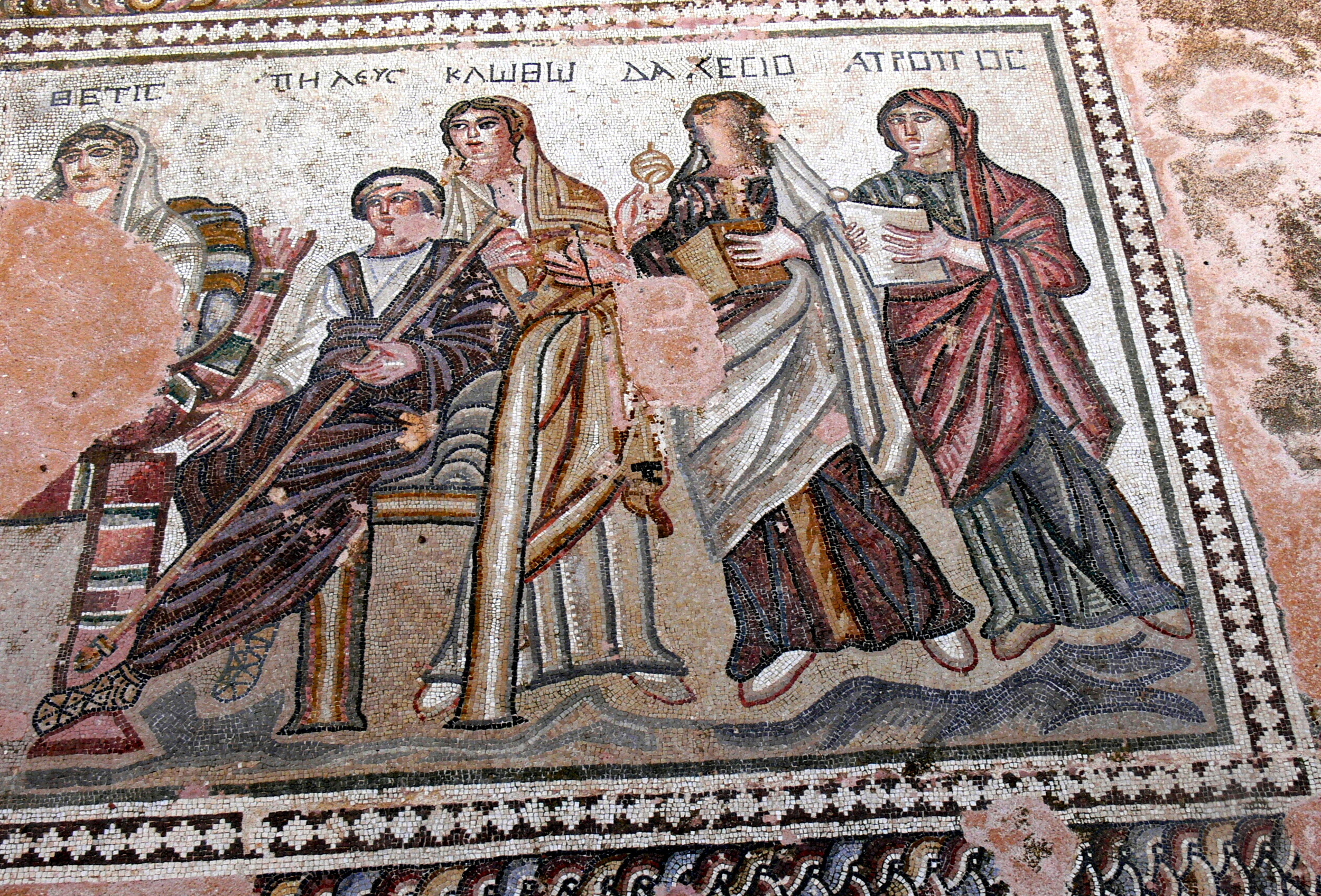
The Moirae were typically described as three austere old women who controlled the "thread" of life. Their names reflect the three stages of a human destiny:
Clotho (The Spinner): She spun the thread of life from her spindle onto her distaff. She decided when a life began, effectively "weaving" the soul into the material world.
Lachesis (The Allotter): She measured the thread with her rod. She determined the length of a life and the specific trials, joys, and "lot" a person would receive.
Atropos (The Inflexible): The most feared of the three. She carried the "abhorred shears" and cut the thread when a person’s time was up, choosing the manner and moment of death.
2. Parents of the Fates: Two Traditions
The origin of the Moirae varies depending on the source, reflecting their dual nature as both orderly and primordial:
The Primordial Lineage: In Hesiod’s Theogony, they are the daughters of Nyx (Night), born without a father. This aligns them with dark, inescapable forces like Death (Thanatos) and Strife (Eris).
The Orderly Lineage: Later traditions call them the daughters of Zeus and Themis (Divine Law). This version suggests that Fate is not a blind, chaotic force but a part of the cosmic justice and order maintained by the gods.
3. Can the Gods Change Fate?
One of the great tensions in Greek mythology is whether Zeus could override the Moirae.
The Bound Zeus: In many tales, Zeus is merely the "Executor of Fate." He weighs the scales of destiny but cannot change the outcome. When his son Sarpedon was destined to die at Troy, Zeus wept tears of blood and wanted to save him, but Hera reminded him that even the King of the Gods cannot break the decree of the Fates without unravelling the universe.
The Loophole: Occasionally, gods attempted to trick the Fates. Apollo famously got the Moirae drunk to convince them to let his friend Admetus live—but even then, a substitute (his wife Alcestis) had to die in his place. Fate is a zero-sum game; the balance must always be settled.
4. The Mythology of Choice: Moira vs. Hybris
The Greeks believed in a paradox: your fate is fixed, but your character determines how you meet it.
Hybris (Hubris): When a mortal tried to overstep their "allotted portion" or boasted they were greater than the gods, they committed hubris.
Nemesis: This goddess was the "Hand of Fate," the agent who punished those who showed hubris, bringing them back down to their rightful, destined level.
5. Archaeology and Cult: The Altar of the Fates
While the Moirae weren't "approachable" like Athena or Hermes, they were worshipped at specific sites where transitions were vital.
The Sanctuary at Delphi: The Moirae had a significant presence at the Oracle of Delphi. This makes sense—if you went to the Oracle to hear your future, you were essentially asking for a glimpse of the thread Lachesis had already measured.
Votive Offerings: Archaeologists have found small lead scrolls and "curse tablets" (defixiones) in graves and temples. These often invoke the Fates to ensure a specific outcome, showing that while the Greeks knew Fate was fixed, they couldn't help but try to bargain with it.
6. The Roman Transition: The Parcae
The Romans adopted the Moirae as the Parcae, naming them Nona, Decuma, and Morta. They integrated them into their birth rituals, believing the Fates were present at the moment of birth to write the child's destiny in the "Book of Fate."
The myth of the Moirae provided the Greeks with a way to process the unfairness of life. If a good man died young, or a tyrant prospered, it wasn't necessarily because the gods were evil—it was simply because that was the length and texture of the thread they were given.