The Archaic period was the "Old Style" era that bridged the gap between the collapse of the Mycenaean world and the rise of Classical Greece. It was a time of immense growth, where the Greeks moved away from the simpler "Geometric" patterns of their ancestors and began creating the monumental stone art and architecture that we still admire today.
1. The Greek Renaissance
After the "Dark Ages," Greece saw a massive resurgence in literacy and trade. The reintroduction of writing—this time using the Phoenician alphabet—allowed the Greeks to record the Iliad and the Odyssey. This literary explosion established a shared "Old Style" of mythology and values that unified the various city-states.
2. Monumental Stone Sculpture
Influenced by the massive statues of Egypt, the Greeks began carving life-sized figures out of marble. These were characterized by a stiff, formal posture known as the Archaic Smile, which was used to suggest that the figure was alive and favored by the gods.
The Kouros: These nude male statues represented idealized youths, often used as grave markers or offerings to Apollo.
The Kore: These female statues were always elegantly clothed, showcasing the intricate "Old Style" of drapery and pattern.
3. The Birth of the Doric Order
This period marked the transition from wood and mud-brick to permanent stone temples. The "Old Style" of architecture is defined by the Doric Order, featuring sturdy, fluted columns and simple, flat capitals. These buildings were designed to be "houses for the gods," emphasizing strength and geometric harmony over the more slender styles that came later.
4. Black-Figure Pottery
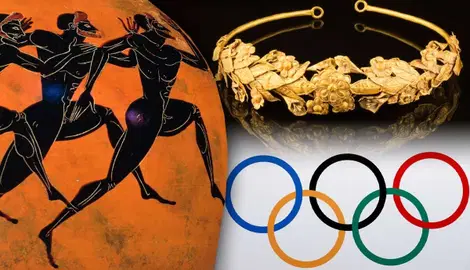
Before the fluid Red-Figure style became popular, the Greeks mastered Black-Figure pottery. This technique involved painting silhouettes in black slip and then scratching fine details into the clay with a needle. This allowed artists to tell complex stories, from the Labors of Heracles to scenes of daily life, on a tiny, curved surface.
5. The Rise of the Polis
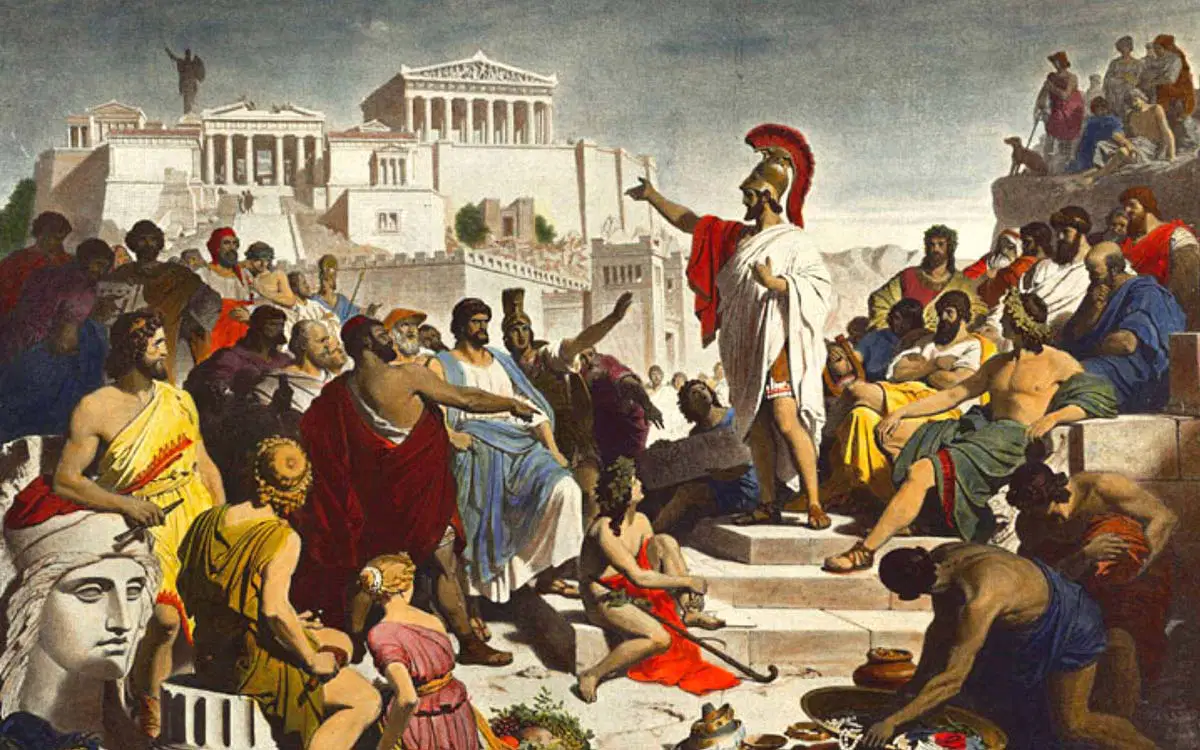
The social "style" of life changed as people moved into organized city-states. This era saw the creation of the first written law codes and the development of the Hoplite Phalanx—a new style of warfare where citizen-soldiers fought in a tightly packed formation. This military organization laid the social groundwork for the later development of democracy.
6. The First Coinage
The Archaic period introduced the concept of standardized metal currency. Early coins were thick, bean-shaped pieces of silver or electrum, stamped with symbols like the Owl of Athens or the Turtle of Aegina. These "Old Style" coins were more than just money; they were symbols of a city’s independence and economic power.