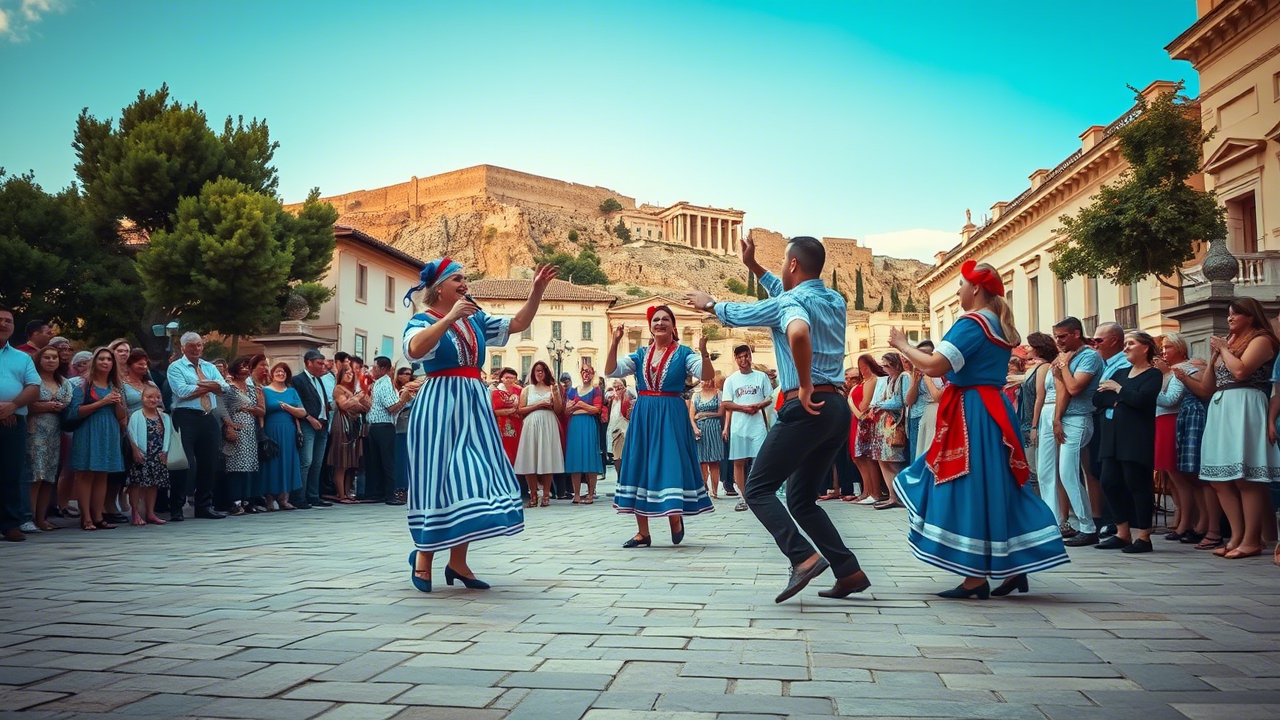
When we attend a modern music festival, scream in a crowded sports stadium, watch an theatrical drama, or march in a civic holiday parade, we are participating in cultural formats engineered over 2,500 years ago in ancient Greece. To the Greeks, a festival—known as an heorte ($\dot\epsilon o\rho\tau\dot{\eta}$)—was a total suspension of profane, everyday time. It was a sacred pause where the rules of normal life were rewritten, creating a legacy of civic and artistic celebration that directly anchors modern global culture.
[ ANCIENT GREEK FESTIVAL FORMAT ] ──────────────► [ MODERN WESTERN EQUIVALENT ]
* The Panathenaic Pompe (Civic Procession) ───────► Ticker-Tape Parades / Olympic Openings
* The City Dionysia (Choral Competition) ────────► Tony Awards / Music & Theater Festivals
* The Panhellenic Games (Sacred Truce) ──────────► The Modern Olympic Movement
The Panathenaic Procession: The Blueprint for the Parade
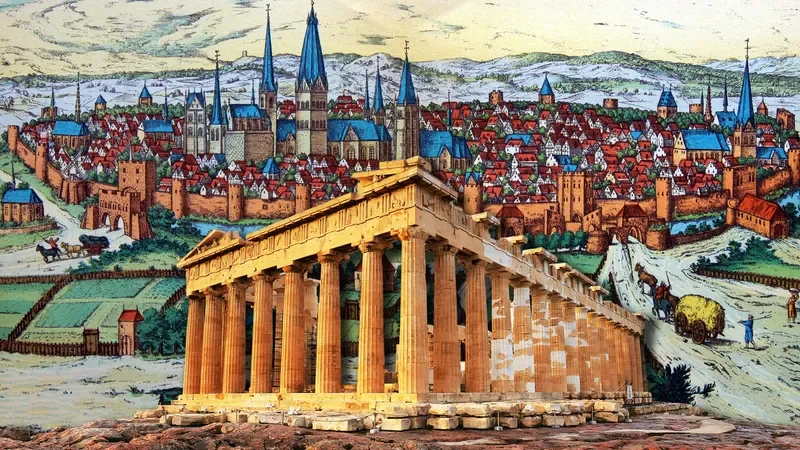
The grandest civic celebration in Athens was the Panathenaia, held annually to celebrate the birth of the city's patron goddess, Athena. The climax of this multi-day festival was the pompe ($\pi o\mu\pi \dot{\eta}$), a massive public procession that snaked across the entire city along the Panathenaic Way, moving from the outer Dipylon Gate, through the heart of the Agora, and up the steep slopes of the Acropolis.
This procession was a visually stunning, meticulously organized display of civic pride. It included cavalry units, hoplite soldiers in polished armor, elder citizens bearing olive branches, musicians playing the lyre and aulos, and young maidens carrying a massive, newly woven saffron robe (peplos) to dress the ancient wooden statue of Athena.
This ancient format is the direct ancestor of modern ticker-tape parades, political marches, and Olympic opening ceremonies. The Greeks understood that a moving, mass procession transforms passive spectators into active participants, binding a diverse urban population into a single collective identity.
The City Dionysia: The Birth of the Performing Arts Festival
Modern music, theater, and film festivals—such as the Cannes Film Festival or the Tony Awards—owe their entire architectural and competitive structure to the City Dionysia, an annual Athenian spring festival dedicated to Dionysus, the god of wine, ecstasy, and transformation. The Dionysia was a massive, state-sponsored competitive showcase of performance arts.
Over the course of five days, the entire city packed into the open-air Theater of Dionysus on the south slope of the Acropolis. The format was rigorously structured:
The Dramatic Competitions: Three tragic playwrights (such as Sophocles or Euripides) and five comic playwrights were selected by the state to showcase their latest work.
The Judging Panel: A complex system of citizen-jurors, selected by lot from the ten Athenian tribes, cast ballots to rank the playwrights and lead actors.
The Liturgy System: Wealthy citizens, known as choregoi, were legally required to fund the production costs of the choruses as a form of elite public tax, receiving immense public prestige if their assigned play won.
The ancient concepts of the celebrity actor, the red-carpet premier (which began with the proagon, where playwrights introduced their actors before the festival), the festival judge panel, and the public artistic critique were all forged in the creative fires of the Dionysia.
The Panhellenic Games: The Legacy of Athletics and the Truce
No discussion of Greek festival legacy is complete without the Panhellenic Games, a cycle of four magnificent athletic festivals held at Olympia, Delphi, Nemea, and the Isthmus of Corinth. The absolute crown jewel was the Olympia festival, held every four years in honor of Zeus.
The most revolutionary concept engineered by the Greeks was the Ekecheiria—the Sacred Truce. Months before the games commenced, heralds traveled across the Mediterranean world to declare a total cessation of military hostilities. No city-state could march troops into the sacred territory of Elis, and all travelers journeying to the games were granted safe passage across enemy lines.
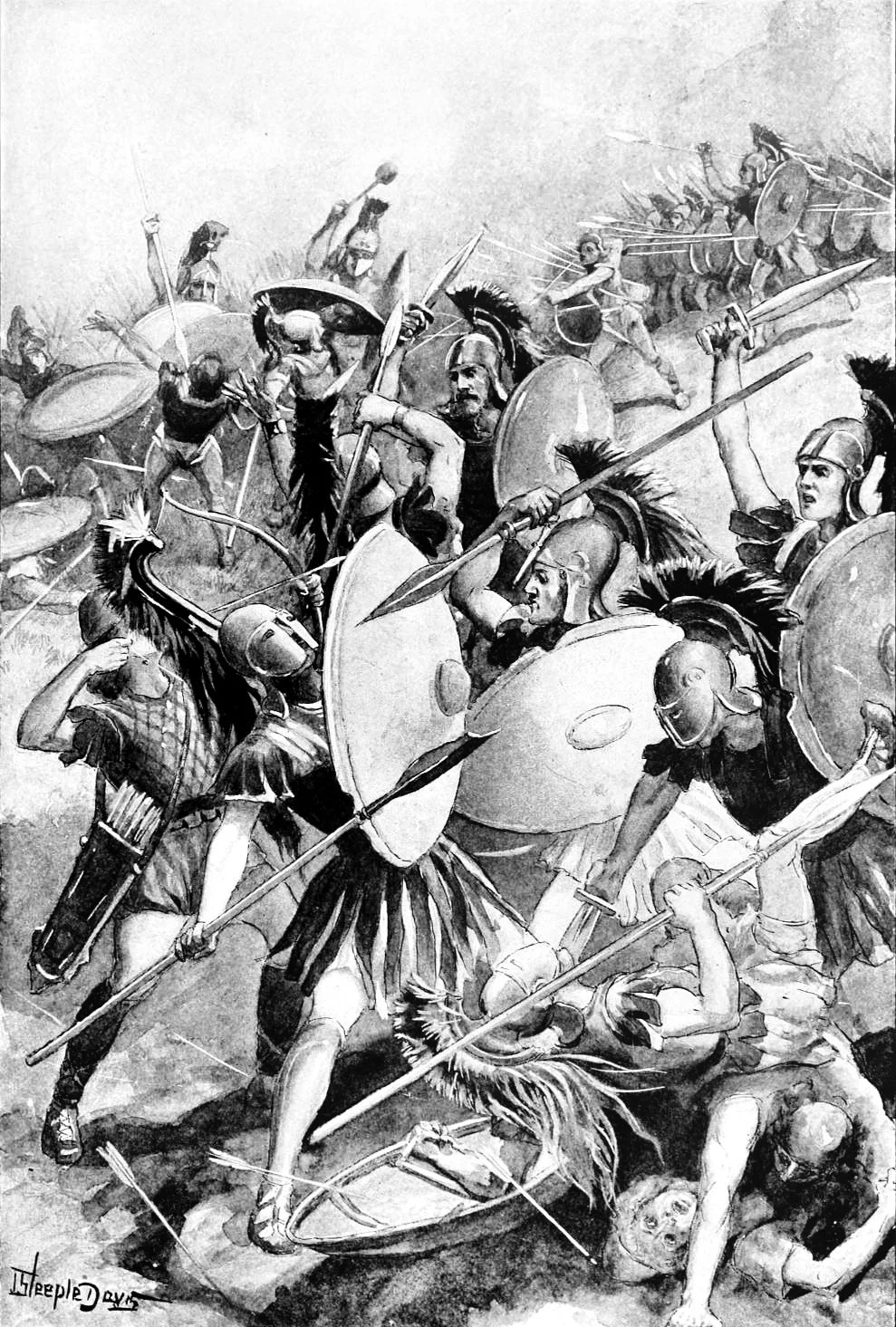
The games transformed war into ritualized athletic competition. Instead of slaughtering one another on the battlefield, the elite warriors of different poleis competed in the chariot race, the sprint, and the brutal combat art of pankration.
When the modern Olympic Games were resurrected in 1896, the organizers directly appropriated this ancient Hellenic framework, proving that the Greek configuration of turning athletic competition into an international engine of cultural unity remains one of the most enduring ideals of global civilization.