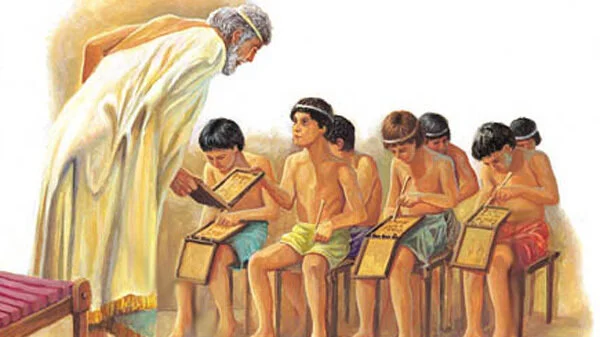
Music, or mousike—a term that encompassed poetry, dance, and intellectual cultivation—was the absolute rhythmic and spiritual backbone of ancient Greek civilization. The Greeks did not relegate music to passive entertainment; they believed it possessed a profound cosmic and psychological power, capable of directly altering the human soul's moral character, a concept known as the theory of ethos. Far from being mere performers, musicians were viewed as vital civic educators, sacred ritual intermediaries, and essential social navigators.
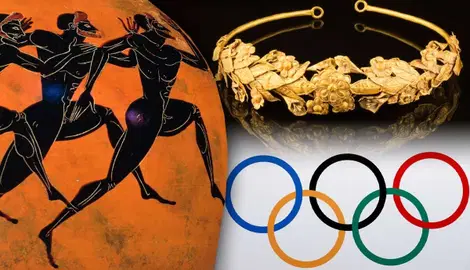
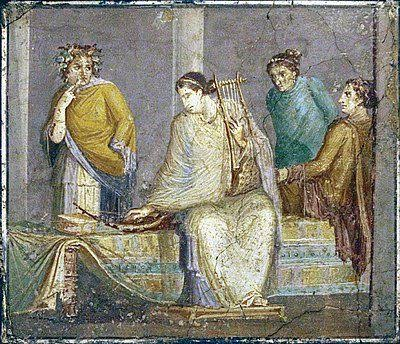
Musicians operated within a clearly defined social hierarchy based on their training and performance contexts. At the pinnacle were the professional kitharodes—elite virtuosos who sang while playing the kithara, a massive, heavy wooden lyre with deep box resonators and up to seven strings. These musicians traveled extensively throughout the Mediterranean, competing for massive cash prizes and immortal fame at the prestigious Panhellenic Games, such as the Pythian Games at Delphi. Their music was highly formal, complex, and closely aligned with the aristocratic elite, celebrating the triumphs of athletes and the myths of the Olympian gods.
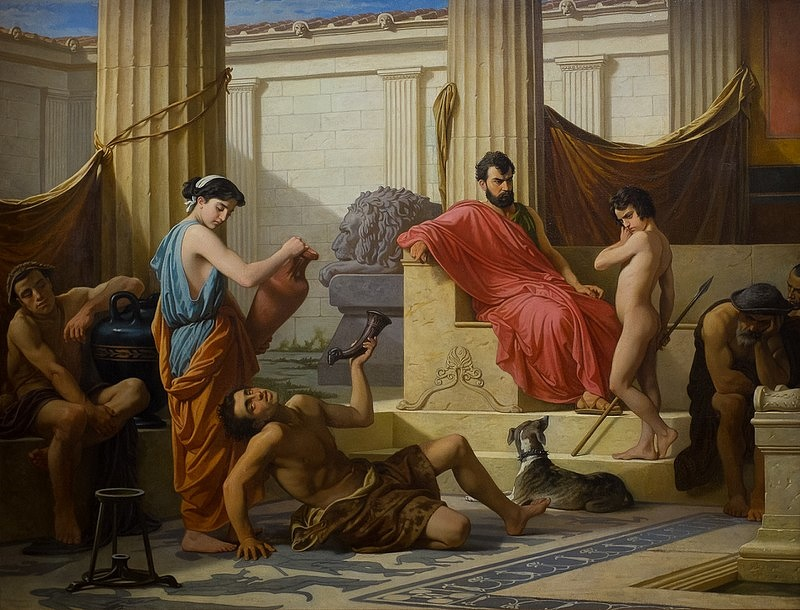
At the democratic and communal level, the acoustic landscape was dominated by players of the aulos, a loud, piercing double-reed instrument made of bone, wood, or ivory. The auletes played a vital role in both civic life and the military phalanx. Because the sound of the aulos could easily pierce through chaotic ambient noise, musicians were deployed to dictate the rhythmic rowing cadence on naval triremes and to keep Spartan hoplites marching in lockstep formation on the battlefield, transforming melody into a direct tool of military synchronization. In the domestic and private sphere, auletriae (female flute-players) were hired to perform at symposia (drinking parties), where they provided the acoustic backdrop for political debates and philosophical discussions, navigating a complex social landscape where artistic skill and social vulnerability constantly intersected.