• Home page/Blog
    • Ancient Greece
    • Archaeology
    • Mythology
    • Architecture
    • Artefact
    • Inventions
    • Tourism
    • News
    • Science
    • General
    • Weird
    • Recipes
    • Blog
  • About
  • Contact
Menu

GHD

  • Home page/Blog
  • History
    • Ancient Greece
    • Archaeology
    • Mythology
  • Art
    • Architecture
    • Artefact
    • Inventions
  • Travel
    • Tourism
  • Other
    • News
    • Science
    • General
    • Weird
    • Recipes
    • Blog
  • About
  • Contact
No results found

How Ancient Greeks Crafted Their Ceramics

June 30, 2026

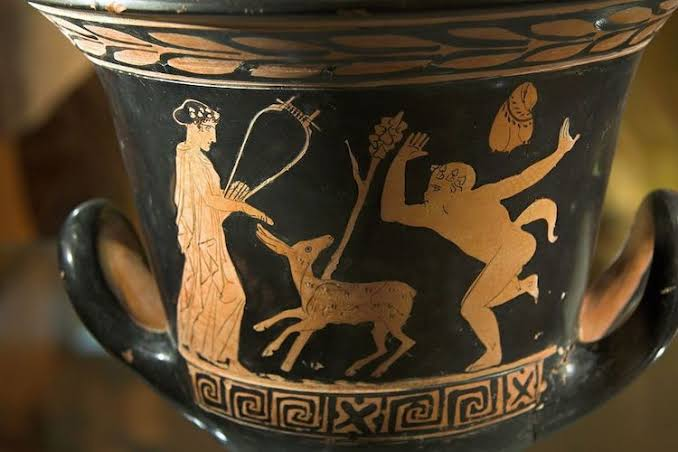
Ancient Greek ceramic vessels, particularly the iconic black-figure and red-figure vases of Athens, represent an extraordinary fusion of industrial mass production and fine artistic genius. These vessels were not merely decorative luxury goods; they were the essential, everyday storage containers, wine mixing bowls, and oil flasks of the Mediterranean trade networks, manufactured through a highly disciplined, multi-stage workshop process.

The creation of a vase began with the meticulous sourcing and refining of local secondary clays, most notably the famous Attic clay harvested from the Cape of Kolias. This clay was naturally rich in iron oxide minerals, which gave the raw earth a deep, yellowish-orange hue.

Artisans transferred the raw clay to massive outdoor settling vats, a process known as levigation, where water was added to allow heavy stones and sand impurities to sink to the bottom.

The fine, cream-like top layer of clay was collected, dried to a workable plasticity, and wedged by foot to eliminate all air pockets. A master potter (kerameus) then centered the clay on a heavy, foot-turned wooden wheel, throwing the vessel in distinct sections—the body, the foot, and the handles—which were later joined together using a thin clay slip once the pieces had dried to a leather-hard state.

The most revolutionary aspect of Greek ceramic craft was the painting and firing process, which relied on a counter-intuitive, three-stage chemical oxidation-reduction firing cycle inside a wood-fired kiln.
← The Role of Priests and Priestesses in Greek Daily LifeThe Art of Tattooing in Ancient Greece →
Featured
image_2026-06-23_125526740.png
June 30, 2026
The Art of Making Leather Goods in Ancient Greece
June 30, 2026
June 30, 2026
image_2026-06-23_125443976.png
June 30, 2026
The Importance of Sheep and Goats in Greek Agriculture
June 30, 2026
June 30, 2026
image_2026-06-23_125415448.png
June 30, 2026
The Role of Priests and Priestesses in Greek Daily Life
June 30, 2026
June 30, 2026
image_2026-06-23_125339952.png
June 30, 2026
How Ancient Greeks Crafted Their Ceramics
June 30, 2026
June 30, 2026
image_2026-06-23_125305176.png
June 30, 2026
The Art of Tattooing in Ancient Greece
June 30, 2026
June 30, 2026
image_2026-06-23_125237291.png
June 30, 2026
The Role of Fishermen and Their Impact on Greek Diet
June 30, 2026
June 30, 2026
image_2026-06-23_125159242.png
June 30, 2026
The Social Status of Blacksmiths in Greek Society
June 30, 2026
June 30, 2026
image_2026-06-23_125129981.png
June 30, 2026
The Importance of Herbal Medicine in Ancient Greece
June 30, 2026
June 30, 2026
SEE MORE

Powered by ©GreeceHighDefinition / Privacy Policy