Goldsmiths (chryschooi) occupied a unique, highly respected position within the artisan hierarchy of the Greek polis. They operated at the intersection of high-end luxury commerce, fine art, and civic religion.
The Technical Repertoire: Greek goldsmiths achieved an astonishing level of detail without the aid of modern magnifying lenses or gas torches. They mastered granulation (soldering microscopic spheres of gold onto a surface to create textures) and filigree (twisting extremely fine gold wires into delicate, lace-like floral or geometric patterns).
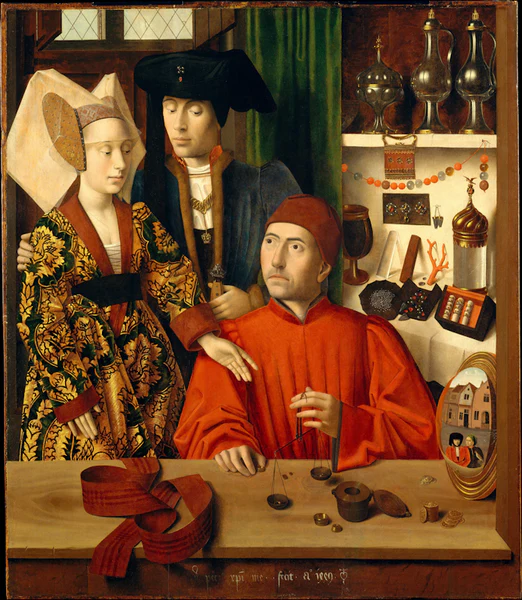
The Workshop Economy: Goldsmiths typically operated out of small workshops (ergasteria) concentrated near the city's commercial market or metalworking quarters. Because gold was incredibly valuable, these artisans worked under close public scrutiny. Wealthy patrons frequently supplied their own raw bullion or ancient coins, staying to watch the smelting and crafting process to ensure the artisan did not secretly alloy the precious metal with cheaper copper or lead.
Civic and Sacred Commemoration: Goldsmiths did not just create personal jewelry like earrings and signet rings. Their most prestigious commissions were civic and religious: crafting massive gold wreaths for victorious athletes, gilding the bronze details of temple statues, and hammering out thin gold sheets for lamellae (amulets inscribed with protective spells buried alongside initiates of the Orphic mysteries).