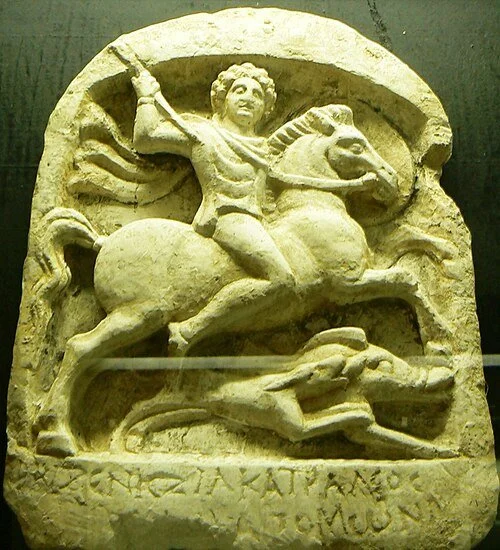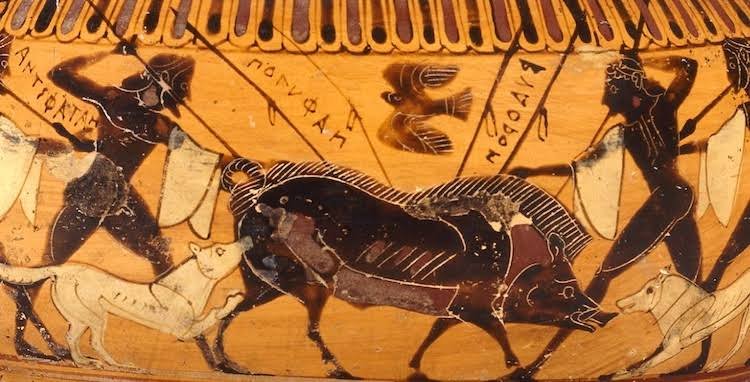
In the uncultivated wildlands of ancient Greece, a hunting dog was far more than a domestic pet; it was a highly valued economic asset, a vital security companion, and a status symbol for the aristocracy. The Greeks recognized that the success of any hunting expedition depended entirely on the behavioral discipline and sensory sharping of their hounds. This understanding led to the development of rigorous, systematic canine training programs that focused on physical conditioning, vocal obedience, and tracking methodology, a discipline famously detailed by the historian Xenophon.
The training process began with selection, with handlers favoring elite regional breeds noted for specific genetic traits. The Laconian (Spartan) hound was universally prized for its exceptional tracking capabilities and scenting intelligence, while the heavy Molossian breed was used primarily for defense against large predators like wolves and boars. Puppies were removed from the mother around eight weeks and placed on a strict diet of barley bread soaked in milk or whey, which was thought to build strong bone density without inducing sluggishness. Early socialization was critical; handlers exposed young dogs to horses, livestock, and loud noises to prevent fear-based reactions in the field.
Formal field training commenced at around eight months for males and ten months for females. Handlers began by teaching absolute leash discipline using soft leather collars, training the dogs to walk silently at heel without pulling. Vocal commands were kept short, sharp, and distinct, using specific ancient Greek commands like Hie (forward), Siga(quiet), and Ereiko (stop). To develop the dog's olfactory tracking systems, trainers dragged fresh animal hides across the forest floor, burying pieces of meat at the end of the trail to create a positive psychological association with tracking specific scents.
As the hound progressed, it was introduced to the pack dynamic through a system of mentorship, pairing young, energetic novices with steady, experienced veteran tracking dogs. The older dogs taught the pups how to read the terrain, ignore distracting scents, and signal the discovery of a fresh trail without barking prematurely, which would alert the quarry. Trainers used positive reinforcement, rewarding successful tracking with choice pieces of the captured game, while avoiding excessive physical punishment, which Xenophon warned would ruin a dog's spirit and make it resent the hunt, creating a cooperative partnership between human and hound.