Marriage was one of the most important transitions in ancient Greek life.
A Greek wedding was not simply a ceremony between two individuals.
It connected families, households, property, ancestry, and religious obligations.
The wedding itself could involve several stages spread across multiple days.
The Engagement
Marriage negotiations generally occurred before the wedding.
The bride's father or male guardian played an important role.
The groom's family and the bride's family could negotiate the marriage agreement and dowry.
The Dowry
The dowry was a significant economic component.
It could include:
money;
clothing;
household objects;
property;
jewelry;
or other valuables.
The Wedding Day
The ceremony involved religious rituals and family celebrations.
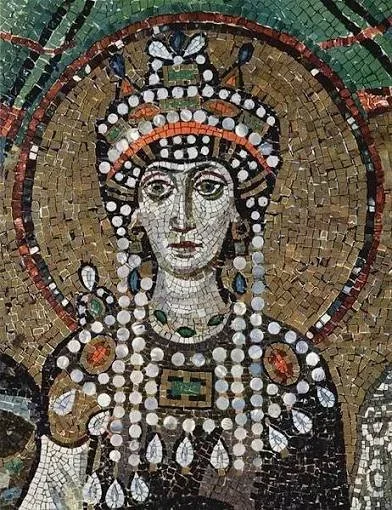
The bride typically wore carefully prepared clothing and jewelry.
Bridal Clothing
A bride might wear a long garment such as a chiton or peplos.
She could also wear:
a veil;
jewelry;
a decorated belt;
wreaths;
and other accessories.
The Veil
The bridal veil was particularly important.
It symbolized the transition of the bride into marriage.
The removal or unveiling could form part of the ceremony.
Wreaths
Wreaths were used in Greek religious and ceremonial contexts.
Wedding wreaths could symbolize:
celebration;
fertility;
prosperity;
and sacred protection.
The Bath
A ritual bath was an important part of the wedding preparations.
The bride and groom could undergo ceremonial purification.
Water was symbolically connected with transition and renewal.
The Wedding Procession
One of the most recognizable elements was the procession.
The bride was taken from her father's household to the household of her husband.
This physical movement represented a major social transition.
Torchlight
Torches were used during wedding processions.
They provided practical illumination while also carrying symbolic associations with transition and celebration.
Wedding Feast
A wedding feast brought together relatives and guests.
Food and wine were important components.
Religious Rituals
Offerings could be made to gods associated with:
marriage;
fertility;
family;
and household protection.
The Bride's New Household
Marriage generally involved the movement of the bride into her husband's household.
This was particularly significant in societies where household organization and inheritance were strongly patriarchal.
Conclusion
What a Typical Greek Wedding Looked Like was therefore much more than a beautiful ceremony.
The clothing, veil, wreaths, ritual bath, procession, torches, feast, and religious offerings all represented the bride's transition from one household and social status into another.
Greek weddings were simultaneously family agreements, religious ceremonies, economic arrangements, and major social transitions.