Education for girls in ancient Greece varied dramatically according to location, period, family background, and social expectations.
There was no single Greek educational system.
The experience of an Athenian girl could be very different from that of a Spartan girl.
Education in Athens
In classical Athens, formal education for girls was generally more limited than for boys.
Boys from citizen families could receive training in:
reading;
writing;
music;
athletics;
poetry;
and rhetoric.
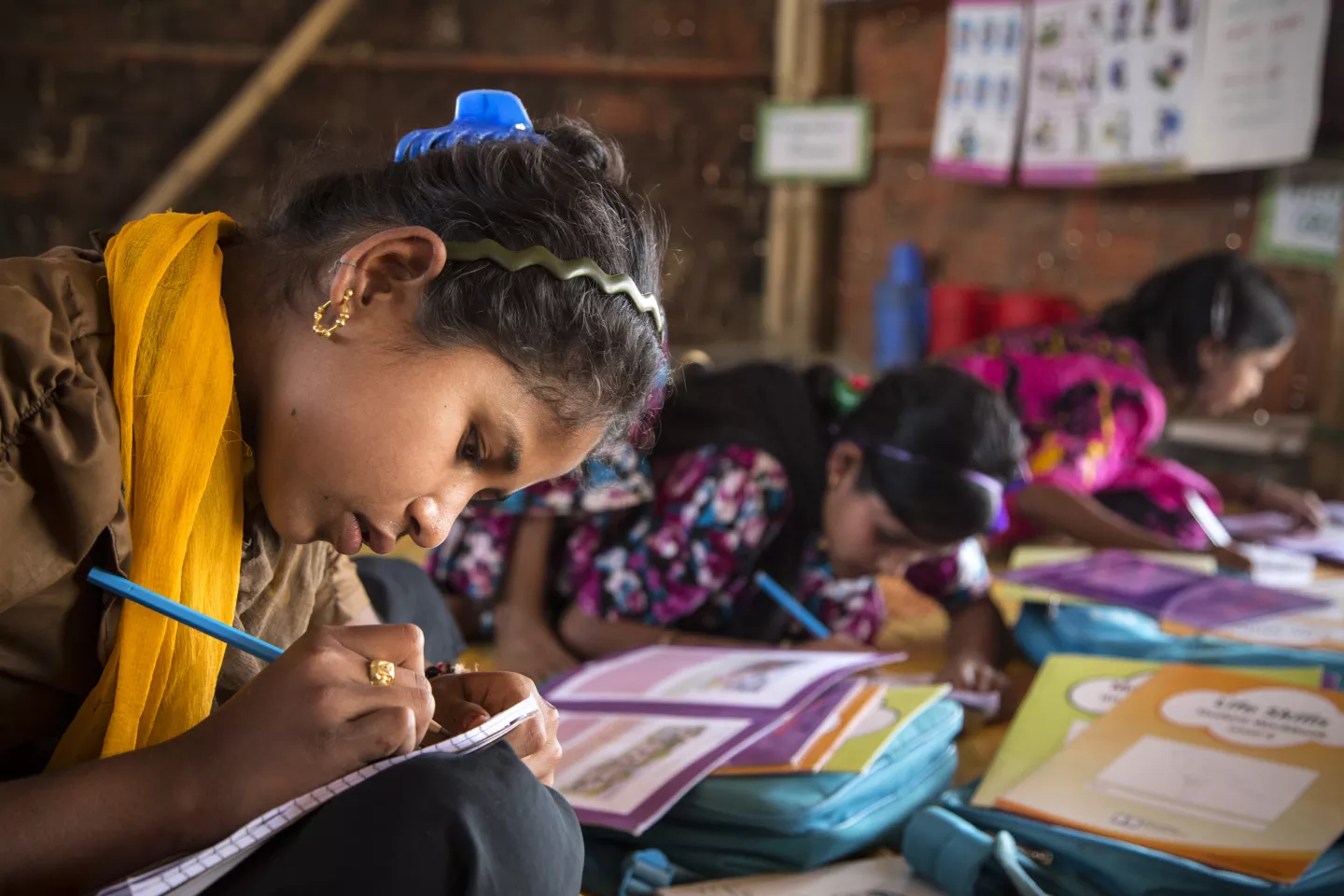
Girls were more often educated within the household.
Household Education
Girls learned skills considered important for managing a household.
These could include:
spinning;
weaving;
textile production;
food preparation;
childcare;
household organization;
and religious responsibilities.
Literacy
It would be incorrect to claim that Greek women were universally illiterate.
Some women clearly could read and write.
However, literacy levels among women were generally lower than among men, and opportunities for formal education were unequal.
Religious Education
Girls learned religious traditions through participation in rituals.
They could serve as:
attendants;
participants in festivals;
religious performers;
or priestesses.
Religion therefore provided an important educational environment.
Spartan Girls
Sparta was different.
Spartan girls received physical training.
They participated in activities designed to strengthen the body.
These could include:
running;
wrestling;
throwing;
and other athletic exercises.
Why Did Sparta Train Girls?
Spartan ideology associated physical strength with healthy motherhood and the production of strong future citizens.
Women were also expected to maintain households while men were heavily involved in military life.
Music and Dance
Girls could learn music and dance.
These activities were important components of religious festivals and social life.
Textile Production
Textile production was especially significant.
Girls could learn to spin and weave from older women.
These skills had both economic and cultural value.
Marriage Preparation
Education was often connected to adulthood.
Girls were prepared for:
marriage;
household management;
motherhood;
religious duties;
and social responsibilities.
Social Class
Wealth made a major difference.
Elite families could provide private tutors or specialized training.
Poorer girls were more likely to learn practical skills directly from family members.
Conclusion
What Education Looked Like for Girls was shaped by the society in which a girl lived.
Athens generally emphasized domestic preparation, while Sparta provided girls with unusually extensive physical training.
Across Greek communities, however, education was strongly connected to the roles individuals were expected to perform in adulthood.