Old age was a recognized stage of life in ancient Greek society.
Although attitudes toward aging varied, elderly people could remain important members of families and communities.
Their experiences depended heavily on wealth, family relationships, gender, health, and social status.
The Family as a Support System
The household was a major source of support.
Adult children could provide:
food;
shelter;
clothing;
companionship;
and practical assistance.
Respect for Age
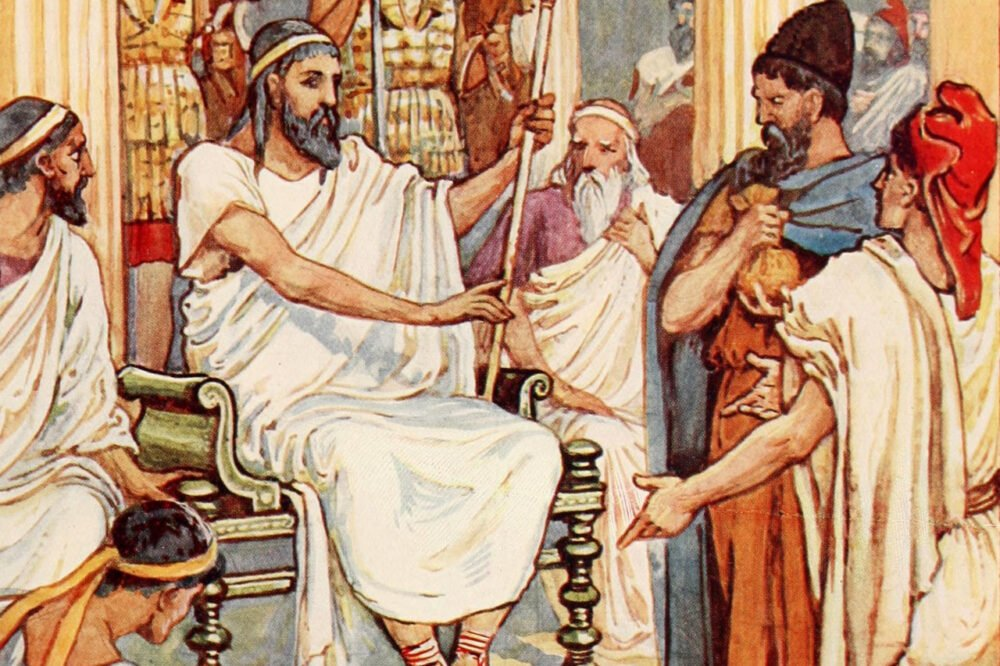
Greek literature frequently depicts older people as possessing experience and wisdom.
Age could command respect.
However, Greek writers also sometimes portrayed old age negatively, particularly in relation to declining physical strength.
Elderly Men
Older men could retain authority within families.
A father or grandfather might influence:
property;
inheritance;
family decisions;
and religious traditions.
Elderly Women
Older women could remain valuable within household life.
They could help with:
childcare;
textile production;
food preparation;
religious traditions;
and family knowledge.
Healthcare
Ancient medicine offered various treatments for age-related problems.
Physicians relied on:
diet;
exercise;
herbal preparations;
bathing;
rest;
and medical procedures.
The effectiveness of these treatments varied considerably.
Diet
Diet was an important component of Greek medical theory.
Physicians such as Hippocrates and later medical writers emphasized balance and moderation.
Economic Security
Wealth strongly influenced old age.
A wealthy elderly person could rely on property and household resources.
Poor elderly people could face significant insecurity.
Community Assistance
Some Greek cities developed forms of public assistance.
Athens, for example, had mechanisms for supporting certain vulnerable citizens.
Philosophical Views
Philosophers debated whether old age should be feared.
Plato's works often present philosophical perspectives that challenge the assumption that old age is inherently miserable.
Conclusion
How Ancient Greeks Cared for the Elderly depended primarily on family networks, economic resources, community institutions, and individual circumstances.
Although ancient Greece lacked modern retirement systems and geriatric medicine, older people could remain important sources of authority, knowledge, and family continuity.