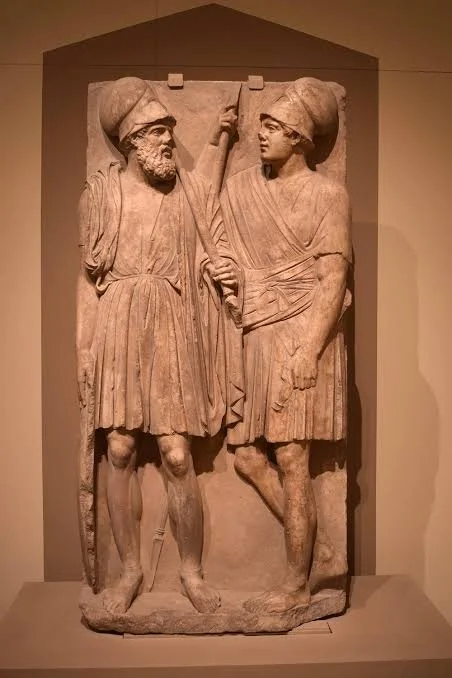
The Sacred Band of Thebes was one of the most famous elite military units of Classical Greece.
Traditionally consisting of 150 pairs of male companions, the unit became celebrated for its discipline, cohesion, and battlefield effectiveness.
Its reputation reached its height under the Theban commander Epaminondas.
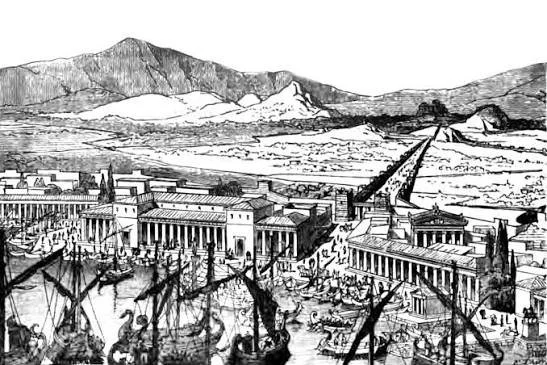
Thebes
Thebes was one of the major powers of mainland Greece.
For much of the fifth century BCE, it competed with Athens and Sparta.
The city's military influence increased dramatically during the fourth century BCE.
Formation of the Sacred Band
The traditional account attributes the creation of the Sacred Band to Gorgidas around 378 BCE.
The unit consisted of 300 elite soldiers.
The soldiers were arranged into pairs.
Ancient writers later emphasized the emotional bonds between companions.
Why Pairs?
The idea was that soldiers who cared deeply about one another would fight more courageously.
Whether this was literally the primary reason for the organization remains debated.
Nevertheless, the unit became famous for exceptional cohesion.
Pelopidas
Pelopidas was one of the most important Theban leaders associated with the Sacred Band.
He helped liberate Thebes from Spartan control.
The unit became central to Theban military operations.
The Battle of Tegyra
Around 375 BCE, the Sacred Band played an important role in a Theban victory over Spartan forces.
The battle demonstrated that Spartan military superiority could be challenged.
The Battle of Leuktra
The greatest achievement of the Theban army came at Leuktra in 371 BCE.
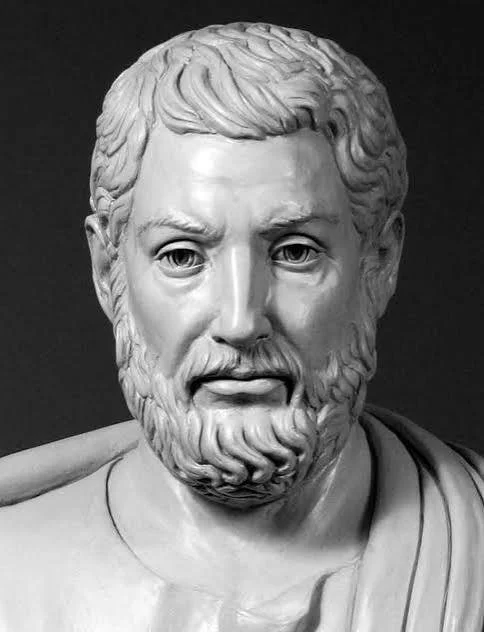
Epaminondas developed an innovative tactical formation.
Instead of creating a uniform battle line, he concentrated exceptional strength on one side.
The Spartan army was unable to respond effectively.
The defeat destroyed the myth of Spartan battlefield invincibility.
The Death at Chaeronea
The Sacred Band fought again at Chaeronea in 338 BCE against Philip II of Macedon.
The unit was ultimately destroyed.
Archaeological evidence supports the ancient tradition that the soldiers suffered catastrophic losses.
A monument known as the Lion of Chaeronea was associated with the burial of the dead.
Legacy
The Sacred Band became a symbol of:
Loyalty
Courage
Military discipline
Brotherhood
Sacrifice
Its story also demonstrates how Greek warfare could involve sophisticated tactical organization rather than simply mass infantry combat.