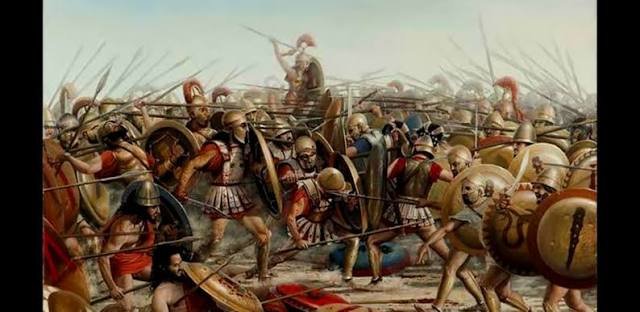
Few rivalries in ancient history are as famous as the conflict between Athens and Sparta. Their differences were political, military, economic, and cultural, making their rivalry more than a struggle between two cities.
Athens was a maritime power with a large commercial economy and a democratic political system. Sparta was a land-based military state governed through a complex mixture of kingship, oligarchy, and communal institutions.
The contrast began with geography.
Athens was located in Attica and possessed access to important harbors, particularly Piraeus. Its naval capabilities became central to its security and economic development.
Sparta controlled Laconia and eventually dominated much of the Peloponnese. Its military strength depended heavily on the organization of Spartan society and the exploitation of surrounding populations, particularly the helots.
Spartan citizens were expected to prioritize military service and communal obligations.
The agoge, the Spartan educational and training system, began boys' preparation for adult citizenship at a young age. Discipline, endurance, physical training, and obedience were emphasized.
Athens developed a broader cultural identity.
Education among elite Athenian males included literature, music, rhetoric, athletics, and philosophy. Public debate became central to political life.
The Persian Wars temporarily united the two states against a common enemy.
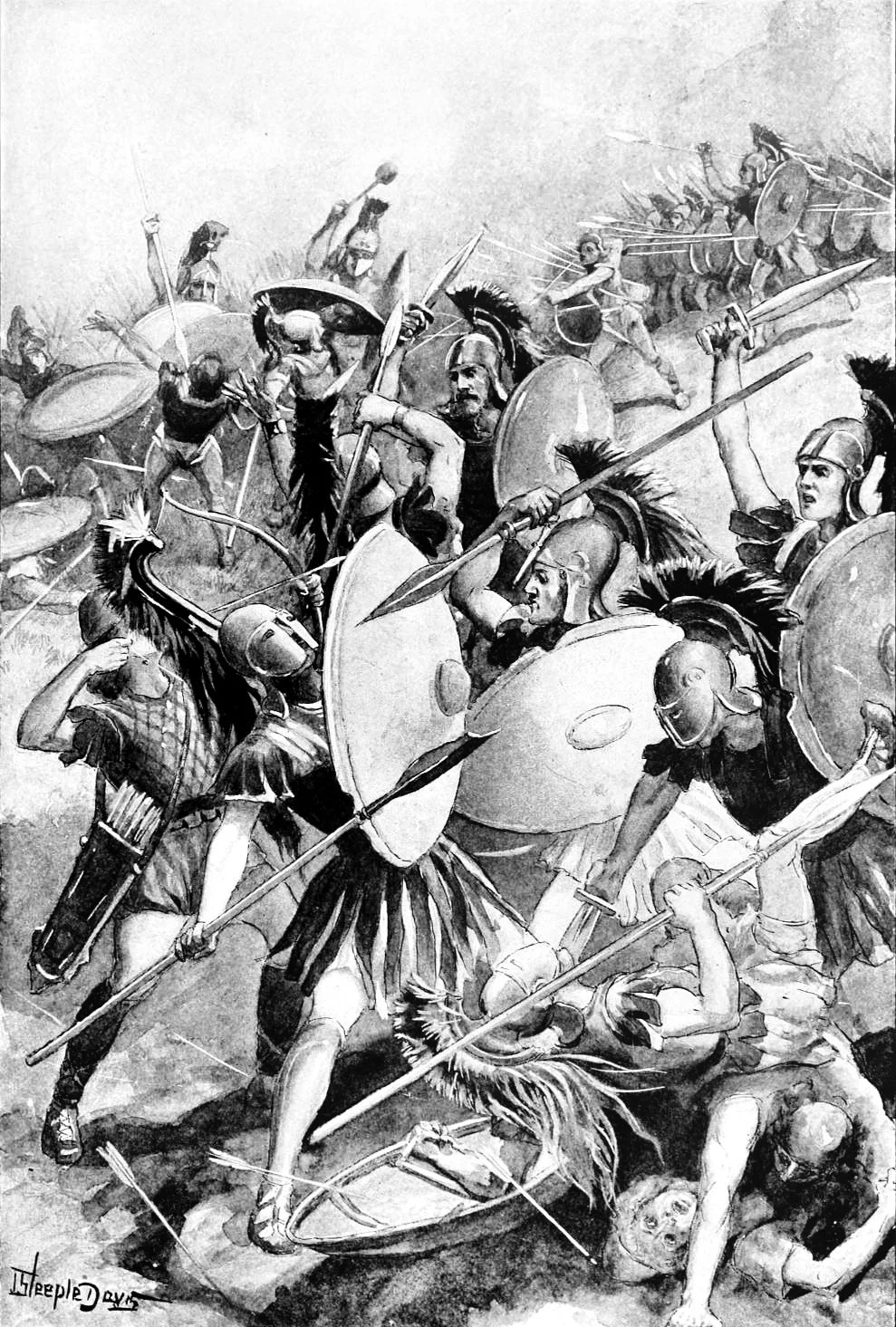
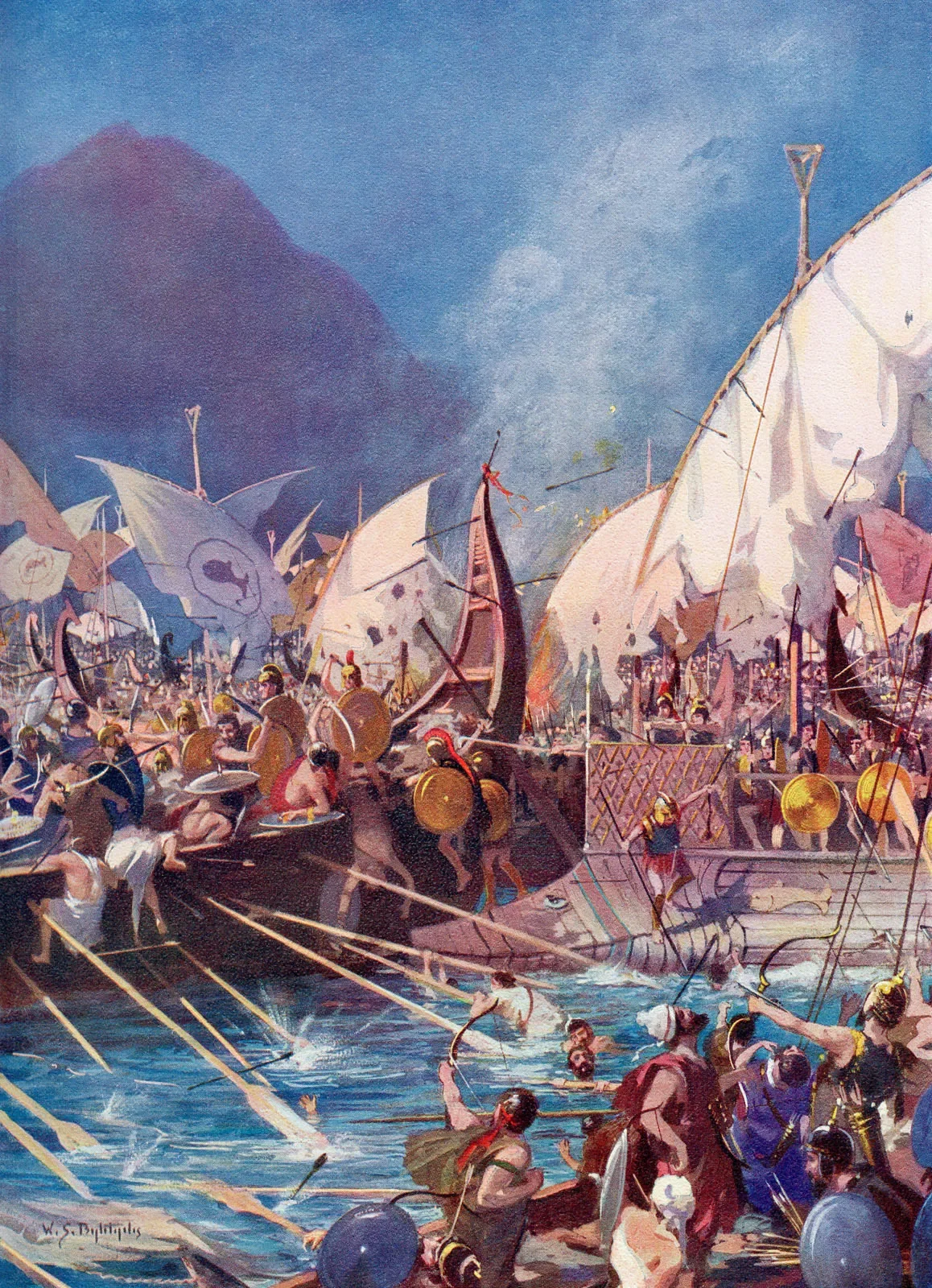
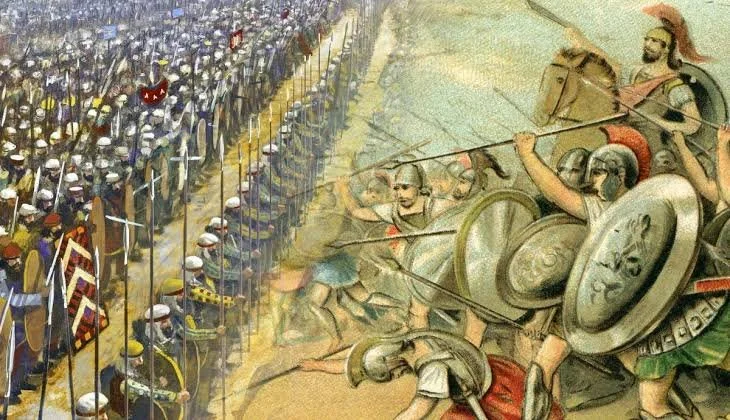
Sparta became particularly famous for its role at Thermopylae, while Athens' naval forces played a decisive role at Salamis.
After the Persian threat diminished, however, rivalry intensified.
Athens built the Delian League and gradually transformed it into an empire. Sparta became the leading power of the Peloponnesian League.
The resulting strategic balance was unstable.
Athens possessed enormous naval strength, while Sparta dominated land warfare.
Pericles developed a strategy that avoided major land battles with Sparta. Athens relied on its Long Walls to connect the city with Piraeus, allowing food and supplies to enter by sea.
The strategy had a terrible weakness: disease.
During the early years of the Peloponnesian War, a devastating plague struck Athens. The population suffered enormous losses, and Pericles himself died.
The war continued for decades.
Athens eventually launched its ambitious Sicilian Expedition, attempting to capture Syracuse and expand its power. Instead, the campaign ended in disaster.
Sparta eventually received Persian financial assistance, allowing it to develop a stronger navy. Athens was gradually exhausted by prolonged warfare.
The final defeat of Athens in 404 BCE ended its empire and temporarily placed Sparta at the center of Greek politics.
Yet Sparta's victory was short-lived.
The Theban victory at Leuctra in 371 BCE broke Spartan dominance. Macedon later became the major power under Philip II.
The Athens-Sparta rivalry nevertheless remained culturally influential.
Athens became associated with democracy, philosophy, theater, literature, architecture, and maritime commerce. Sparta became associated with discipline, military organization, austerity, and communal identity.
The reality was more complicated.
Spartan society was not simply a military camp, and Athens was not entirely peaceful or democratic in the modern sense. Athens maintained an empire and relied heavily on military force. Sparta depended on a socially stratified system in which helots performed agricultural labor.
The rivalry therefore reveals two different approaches to political organization and power.
Athens demonstrated the possibilities of naval commerce, civic participation, and cultural investment. Sparta demonstrated the strength that could emerge from highly organized military institutions and social discipline.
Their conflict ultimately weakened the Greek world.
The Peloponnesian War drained resources, destroyed populations, disrupted economies, and intensified political instability.
In this sense, the "ultimate clash" was also a tragedy. Neither side emerged permanently dominant, while later powers benefited from Greek divisions.