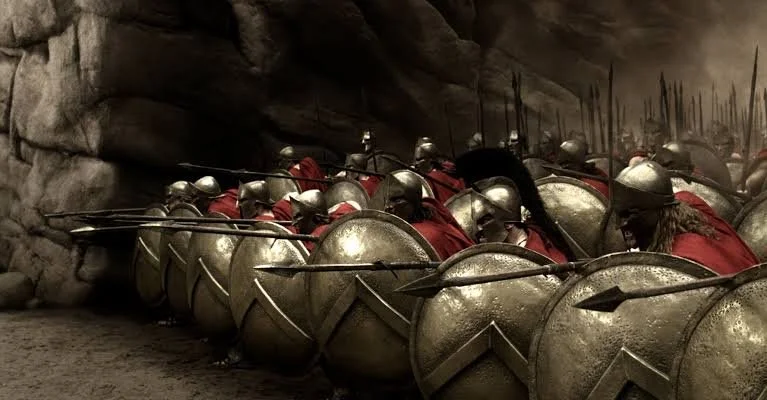
Ancient Sparta is often remembered as a society of warrior citizens, but the historical reality was considerably more complex than the popular image suggests.
1. Sparta Had Two Kings
Sparta maintained a distinctive dual monarchy. Two royal families supplied kings simultaneously.
The kings had religious responsibilities and important military functions, but their authority was limited by other institutions.
The ephors, gerousia, and citizen assembly all participated in government.
The Spartan political system was therefore a mixed constitution rather than simple military dictatorship.
2. Spartan Society Depended on Helot Labor
One of the most important facts about Sparta is that Spartan citizens were able to devote themselves to military training because agricultural labor was largely performed by helots.
Helots were a subordinated population, particularly associated with Messenia and Laconia.
Their labor supported the Spartan economic system.
This dependence also generated fear of rebellion, which influenced Spartan military and political policy.
3. Spartan Women Had Unusual Economic Rights
Compared with women in many other Greek communities, Spartan women could possess and manage property.
They received physical education and were expected to maintain physical strength.
This did not make Sparta an egalitarian society, but Spartan women could have significantly greater economic independence than their Athenian counterparts.
4. Sparta Was Not Governed Only by Kings
The kings were only one component of the political system.
Five ephors held substantial authority, the gerousia served as a council of elders, and the citizen assembly participated in decision-making.
The system distributed power among several institutions.
5. Spartan Soldiers Did Not Always Fight Alone
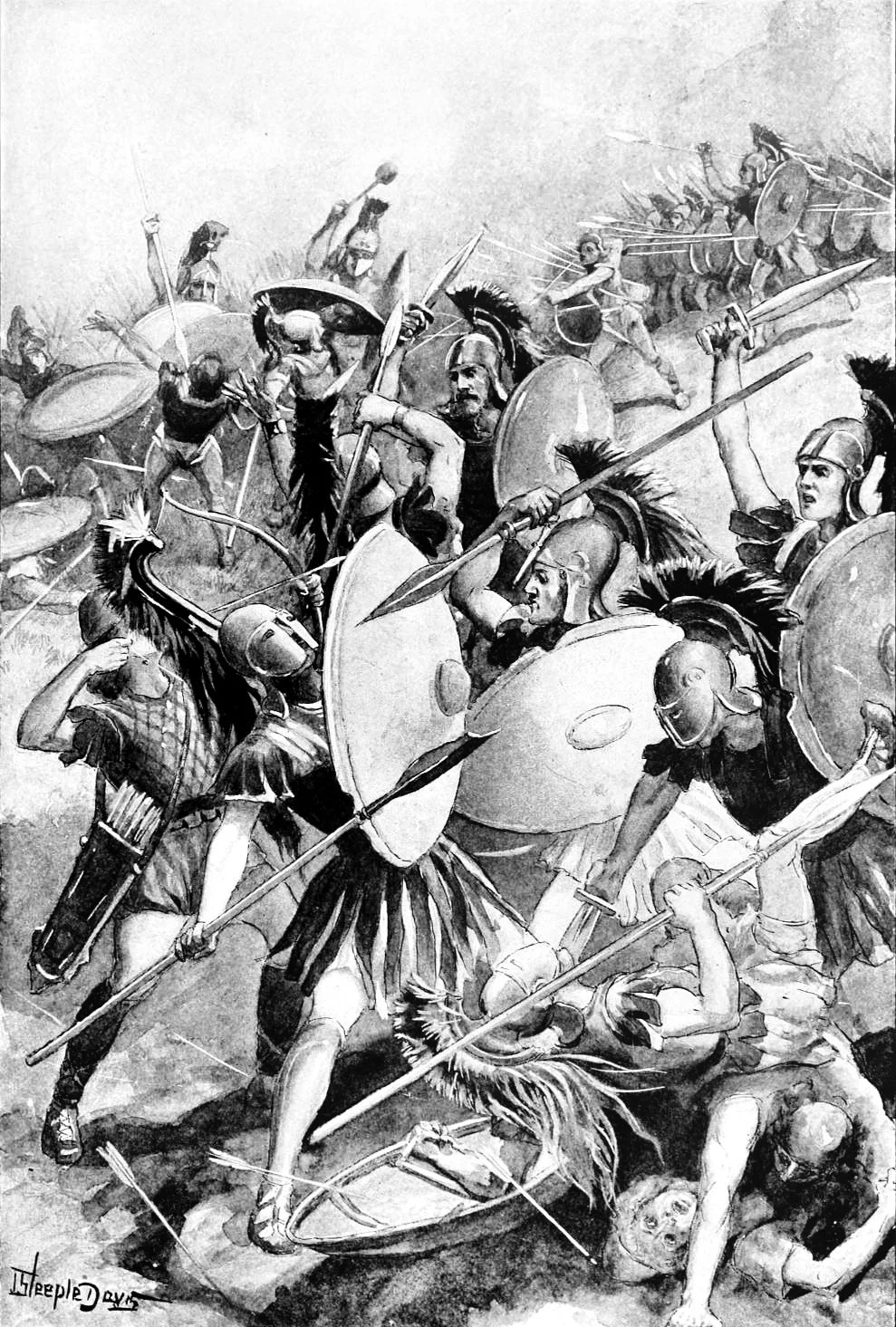
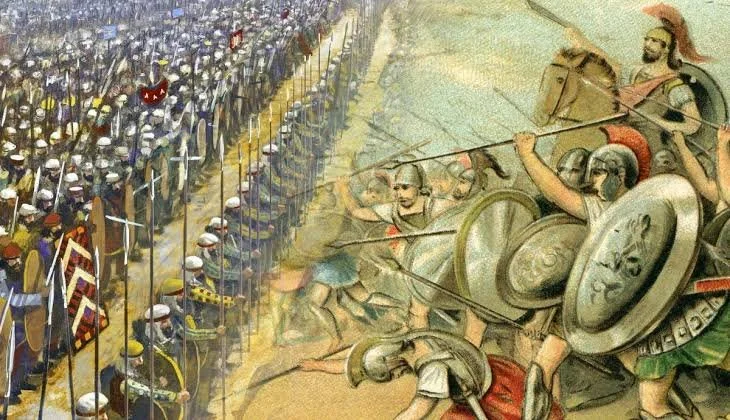
The famous Spartan hoplites formed only part of the wider Spartan military system.
Sparta commanded allies and depended on perioikoi and other populations for various military and economic functions.
The image of thousands of identical Spartan warriors therefore simplifies a much more complicated army.
6. The Spartan Army Was Famous for Discipline
Spartan military discipline was genuine.
Training emphasized endurance, formation fighting, obedience, and collective responsibility.
The famous red cloaks and long hair associated with Spartan warriors became recognizable cultural symbols.
7. Sparta Was Not Completely Isolated
Sparta maintained contacts with other Greek communities and participated in diplomacy.
Its citizens were not simply cut off from the outside world.
Spartan foreign policy involved alliances, negotiations, military interventions, and religious relationships.
8. Sparta Did Not Win Every War
The reputation of Spartan military superiority can obscure its defeats.
The most famous reversal occurred at Leuctra in 371 BCE, when Theban forces under Epaminondas defeated the Spartan army.
The battle demonstrated that Spartan military dominance was not permanent.
9. Spartan Culture Valued Concise Speech
The term "laconic" comes from Laconia, the region dominated by Sparta.
Spartans became famous in ancient literature for brief and direct responses.
This cultural ideal was connected to a broader emphasis on discipline and restraint.
10. Sparta Survived Long After Its Classical Peak
Sparta did not simply disappear after the fourth century BCE.
The city continued to exist through the Hellenistic and Roman periods.
Its political importance changed, but its reputation as a community of disciplined warriors continued to influence later writers.
The historical Sparta was therefore far more complicated than the popular image.
Its military culture was real, but that culture depended on an elaborate political and economic system. Understanding Sparta requires studying not only its warriors but also its institutions, women, helots, allies, religious practices, and economic foundations.