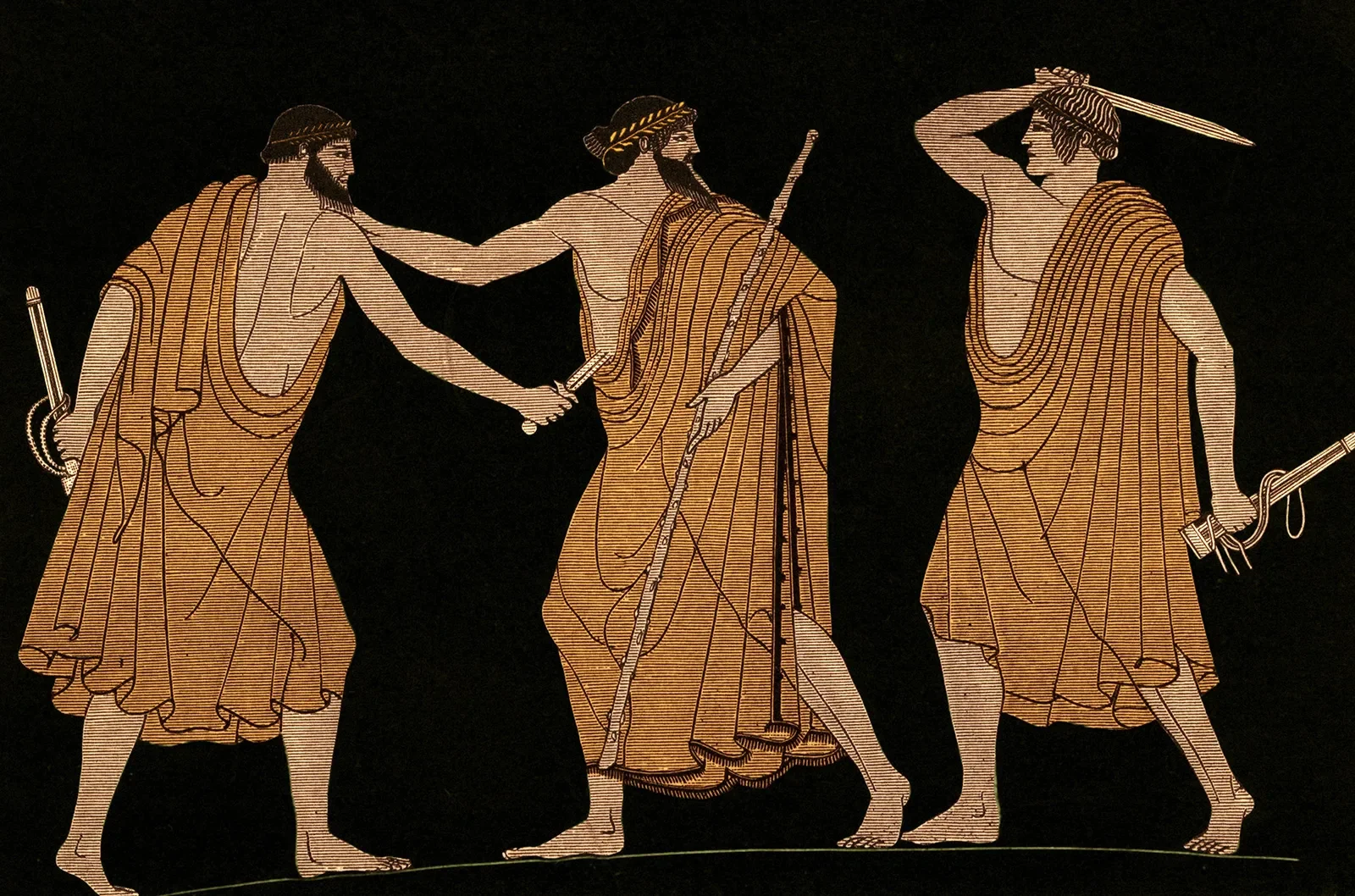
The word "tyrant" today usually describes a cruel and oppressive ruler.
In ancient Greece, however, the word tyrannos originally had a more complicated meaning.
A tyrant was generally an individual who obtained political power outside the traditional constitutional system, often without hereditary legitimacy.
Some tyrants were brutal.
Others introduced popular reforms, sponsored public works, supported religion, and encouraged economic development.
Understanding Greek tyranny therefore requires moving beyond the modern definition.
The Rise of Tyranny
Tyranny became particularly common during the seventh and sixth centuries BCE.
Several conditions contributed.
Aristocratic families controlled many Greek city-states.
Economic inequality increased.
New military classes became politically important.
Social conflicts created opportunities for ambitious individuals.
Peisistratus of Athens
Peisistratus became the most famous Athenian tyrant.
He seized power multiple times before establishing stable control.
His government supported agriculture, religious festivals, and construction.
He reportedly encouraged economic development in Attica.
The Panathenaia
Under the Peisistratid regime, the Panathenaic festival became increasingly important.
Religious festivals could strengthen civic identity and political legitimacy.
Tyrants understood the symbolic importance of public religion.
Public Construction
Tyrants frequently sponsored monumental projects.
Construction demonstrated wealth and power.
It also provided employment and could enhance the city's prestige.
Polycrates of Samos
Polycrates became tyrant of Samos during the sixth century BCE.
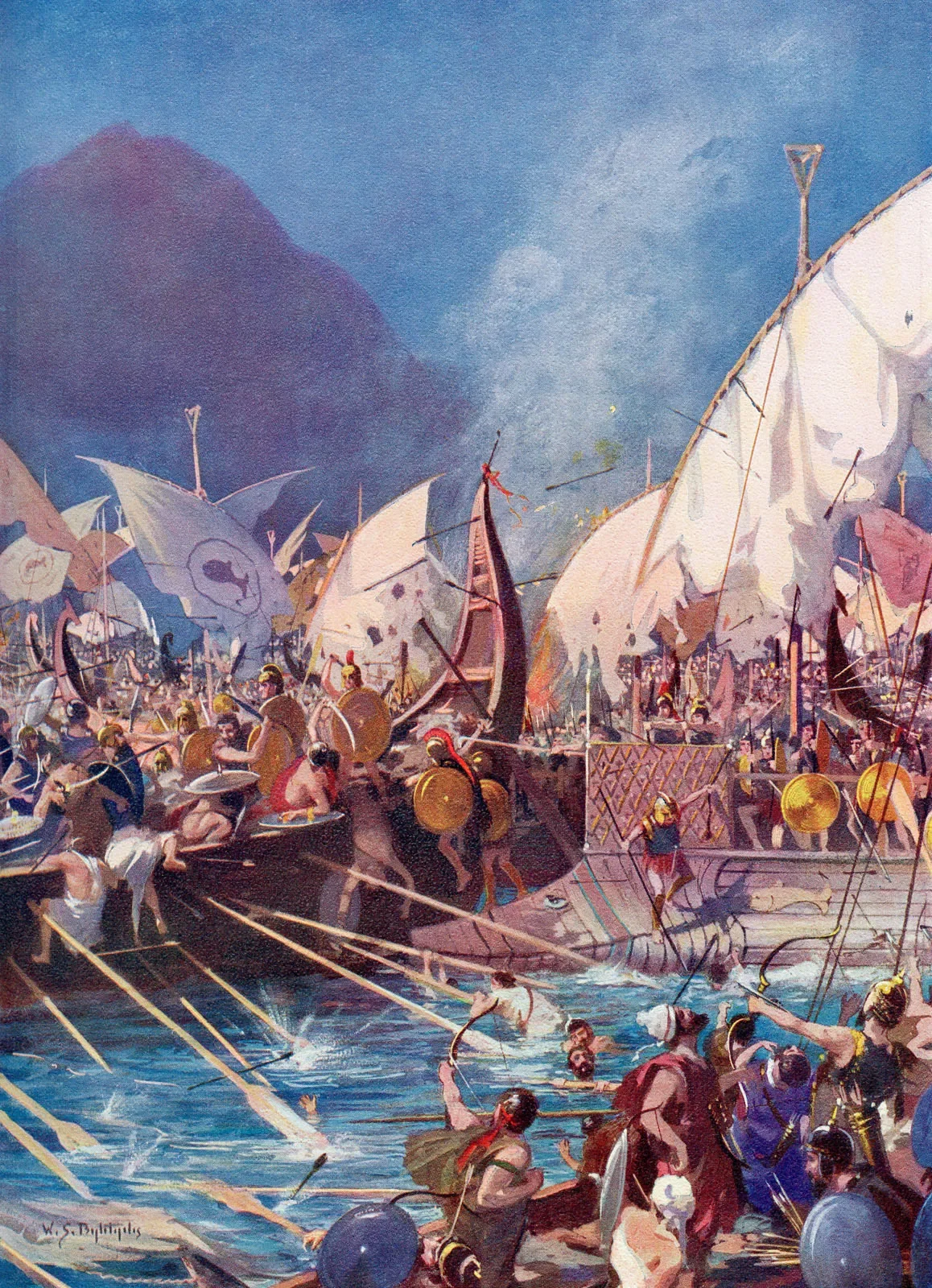
He developed a powerful naval force.
Samos became wealthy and influential.
Herodotus portrays Polycrates as extraordinarily ambitious.
His story also became an example of the ancient idea that excessive prosperity could attract divine retribution.
The Cypselids of Corinth
Corinth was ruled by the Cypselid dynasty.
Cypselus and his son Periander became powerful rulers.
Periander is traditionally portrayed as harsh, although ancient accounts are shaped by later moral storytelling.
Under the dynasty, Corinth remained prosperous and influential.
Tyranny and the Aristocracy
Tyrants often weakened aristocratic families.
This could benefit ordinary citizens by reducing elite competition.
However, tyrants could also create new forms of political inequality.
Sparta's Opposition
Sparta increasingly became an opponent of tyranny.
It intervened in several Greek cities.
Spartan foreign policy was partly motivated by concern over political stability and the expansion of hostile regimes.
Tyranny and Democracy
Tyranny sometimes unintentionally contributed to democracy.
By weakening old aristocratic structures, tyrants could make later democratic reforms easier.
Athens provides the clearest example.
The fall of the Peisistratid regime created conditions for Cleisthenes' reforms.
The End of Tyranny
By the Classical period, tyranny had declined in many mainland Greek states.
Democracy, oligarchy, and other constitutional systems became more prominent.
Nevertheless, tyranny returned in different forms during the Hellenistic period.
Legacy
Ancient Greek tyranny demonstrates that political development is rarely linear.
Greek cities did not simply move from monarchy to democracy.
They experienced:
Kingship
Aristocracy
Oligarchy
Tyranny
Democracy
Mixed constitutions
The tyrants were therefore an important part of the political experimentation that shaped Greek civilization.