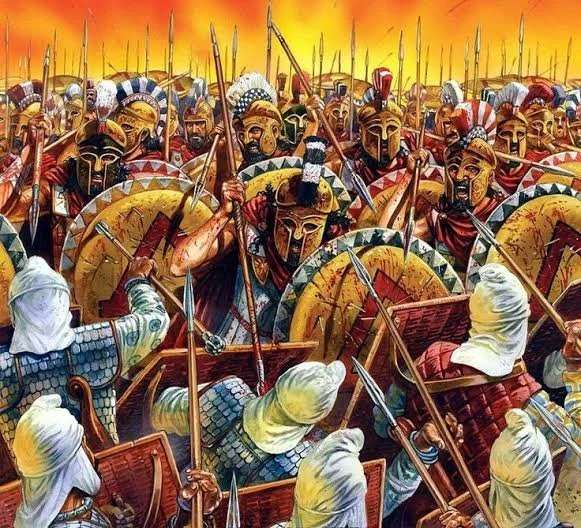
The Persian Wars were among the most important conflicts in ancient Greek memory.
Between approximately 499 and 479 BCE, Greek communities confronted the enormous Persian Empire in a series of conflicts that included the battles of Marathon, Thermopylae, Salamis, and Plataea.
Greek historical tradition transformed these wars into a defining struggle between freedom and foreign domination.
Yet examining the wars "through Greek eyes" requires caution.
Greek communities were divided.
Not every Greek city resisted Persia.
The conflict was not a simple unified Greek-versus-Persian war.
The Persian Empire
The Persian Empire under the Achaemenid dynasty was one of the largest political structures of the ancient world.
It incorporated territories across:
Anatolia
Mesopotamia
Egypt
Iran
Central Asia
Parts of southeastern Europe
Persian imperial administration was sophisticated and diverse.
The Ionian Revolt
The immediate background to the Greek-Persian conflict was the Ionian Revolt.
Greek cities in Asia Minor rebelled against Persian authority.
Athens and Eretria provided support.
Persia eventually suppressed the rebellion.
The intervention gave Darius a reason to punish Athens and its allies.
Marathon
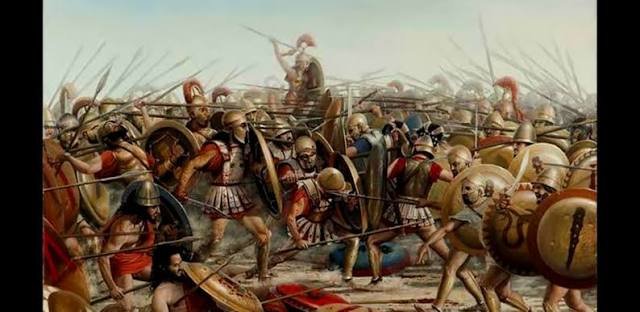
In 490 BCE, Persian forces landed at Marathon.
Athens and Plataea confronted them.
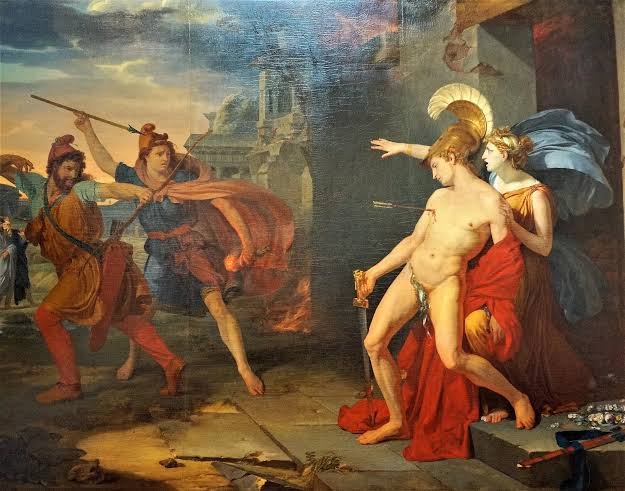
The Greek victory became central to Athenian identity.
Later generations interpreted Marathon as proof that citizen soldiers could resist a major imperial power.
Xerxes' Invasion
Ten years later, Xerxes launched a much larger invasion.
The scale of the Persian operation was enormous.
Ancient Greek writers sometimes gave exaggerated numbers, so modern historians approach the figures cautiously.
Thermopylae
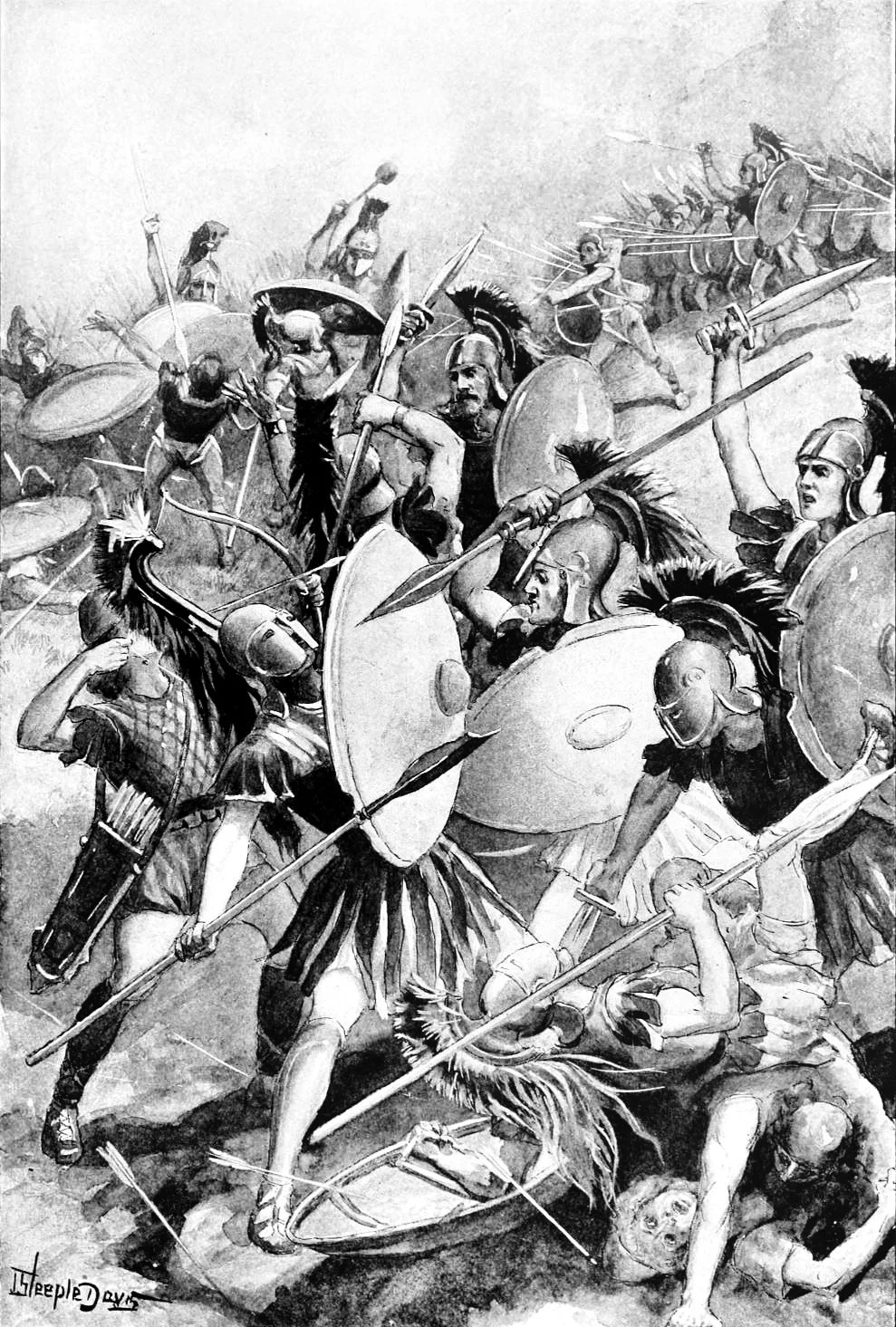
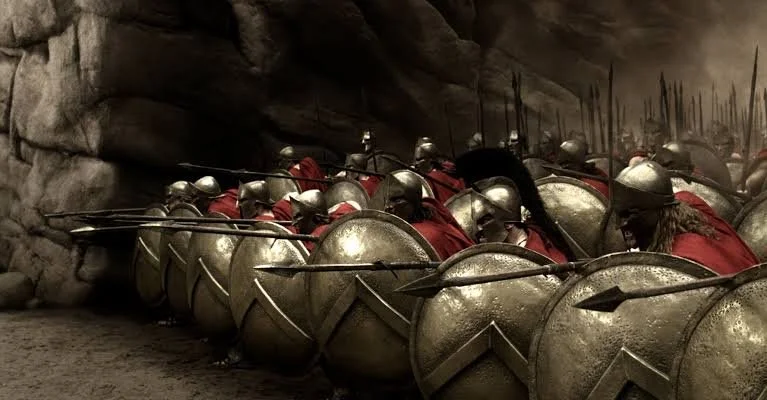
A Greek coalition attempted to block the Persian advance at Thermopylae.
The narrow pass limited the effectiveness of Persian numerical superiority.
The Greek defenders eventually suffered defeat.
The heroic death of the Spartan king Leonidas became one of the most famous stories in Greek history.
Salamis
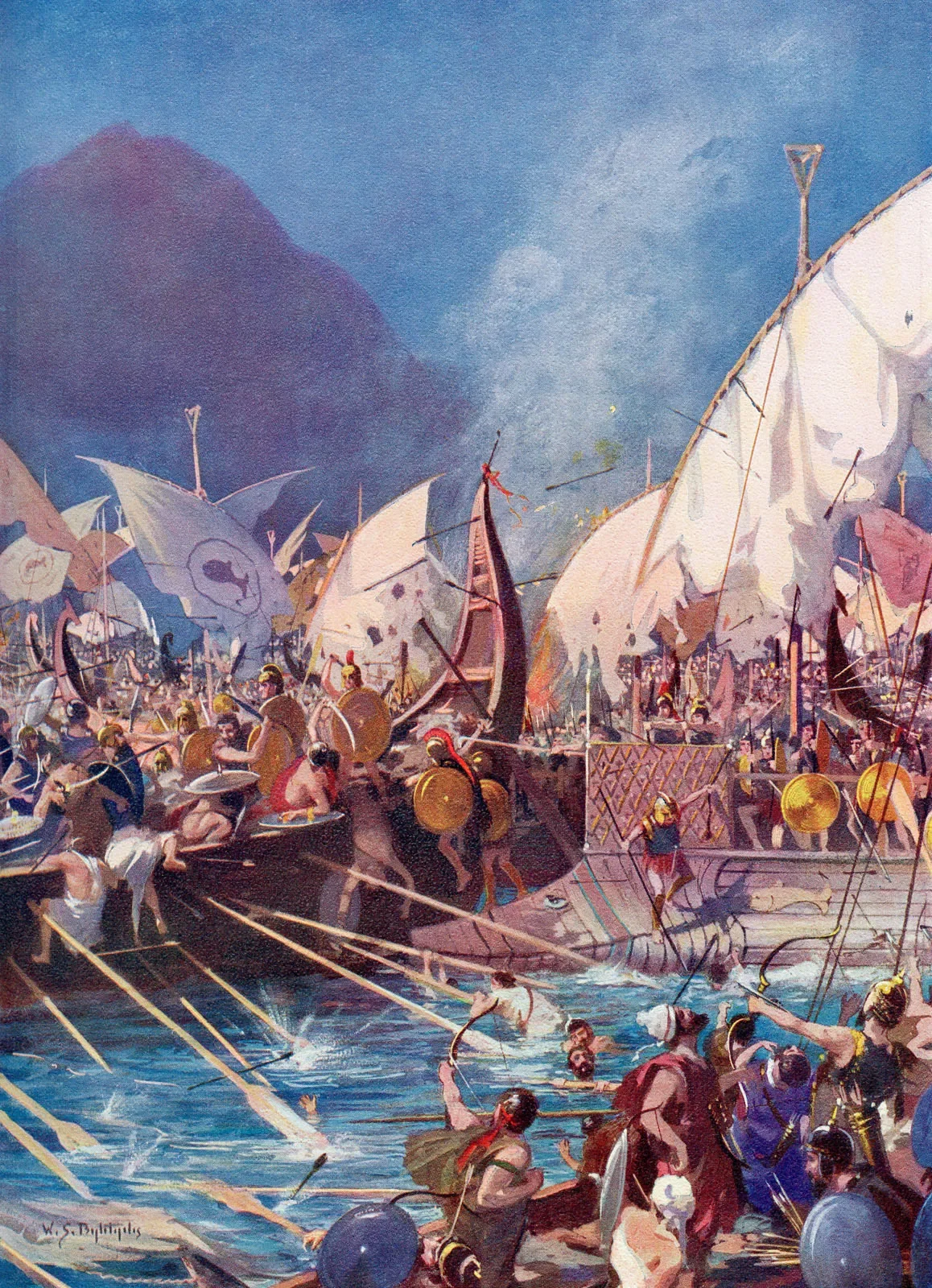
The Greek naval victory at Salamis was decisive.
Themistocles helped persuade the Greeks to fight in confined waters.
Persian numerical superiority became less useful.
The victory prevented the Persian fleet from dominating the Greek mainland.
Plataea
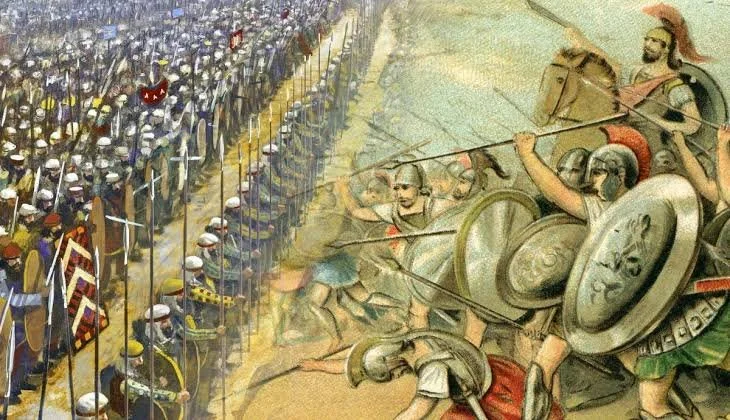
In 479 BCE, Greek forces defeated the Persian army at Plataea.
The Persian invasion was effectively ended.
Greek Divisions
Greek resistance was not universal.
Some communities cooperated with Persia.
Others remained neutral.
Political rivalries continued throughout the conflict.
Athens and Sparta did not suddenly become permanent friends.
Greek Interpretations
Greek writers often portrayed the conflict as a struggle between freedom and despotism.
Herodotus, writing later, helped shape this narrative.
But Persian society was more complicated than Greek stereotypes suggested.
Likewise, Greek political systems varied widely.
Religious Interpretation
Greeks often understood victory through religious concepts.
They believed the gods could influence human affairs.
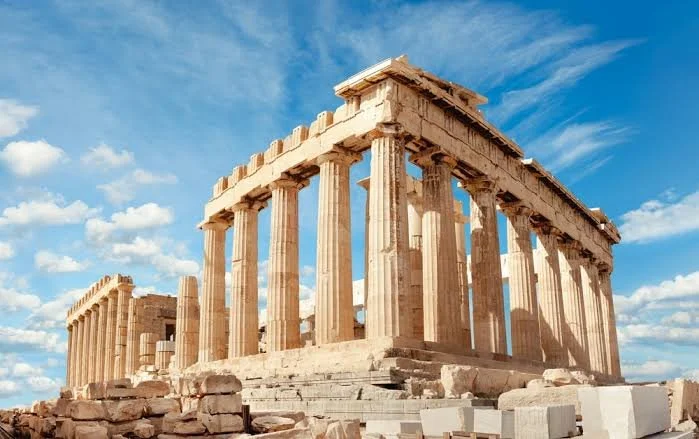
Temples and sanctuaries became places where victories were commemorated.
Memory and Identity
The Persian Wars became foundational to Greek historical memory.
Athenians emphasized Marathon and Salamis.
Spartans emphasized Thermopylae and their military reputation.
Other communities remembered their own contributions.
Long-Term Consequences
The wars changed the balance of power.
Athens emerged as a major naval state.
Sparta remained the dominant land power.
The rivalry between these states eventually contributed to the Peloponnesian War.
Historical Perspective
The Persian Wars should not be reduced to a simple story of Western civilization defeating Eastern despotism.
They were conflicts involving imperial expansion, regional politics, economic interests, local rivalries, and competing political systems.
Their importance lies partly in how later generations remembered them.
The Persian Wars became not only historical events but foundational stories about Greek identity, courage, political freedom, and resistance to foreign domination.