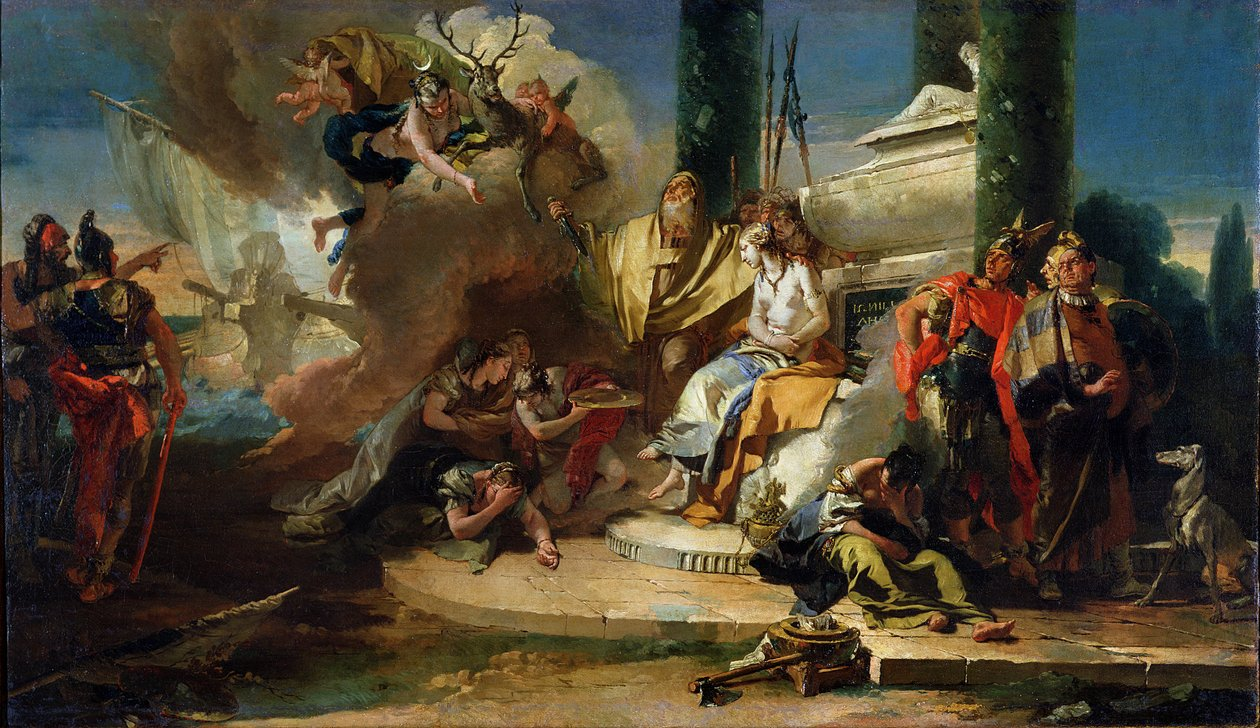
Greek mythology has had an enormous influence on modern storytelling.
Its gods, monsters, heroes, tragic families, magical objects, and epic journeys continue to appear in novels, films, games, comics, television, and fantasy literature.
Heroes
Modern fantasy frequently uses the idea of the heroic journey.
A seemingly ordinary individual discovers extraordinary abilities, faces dangerous enemies, receives guidance, and undergoes a transformation.
Greek mythology contains many versions of this pattern.
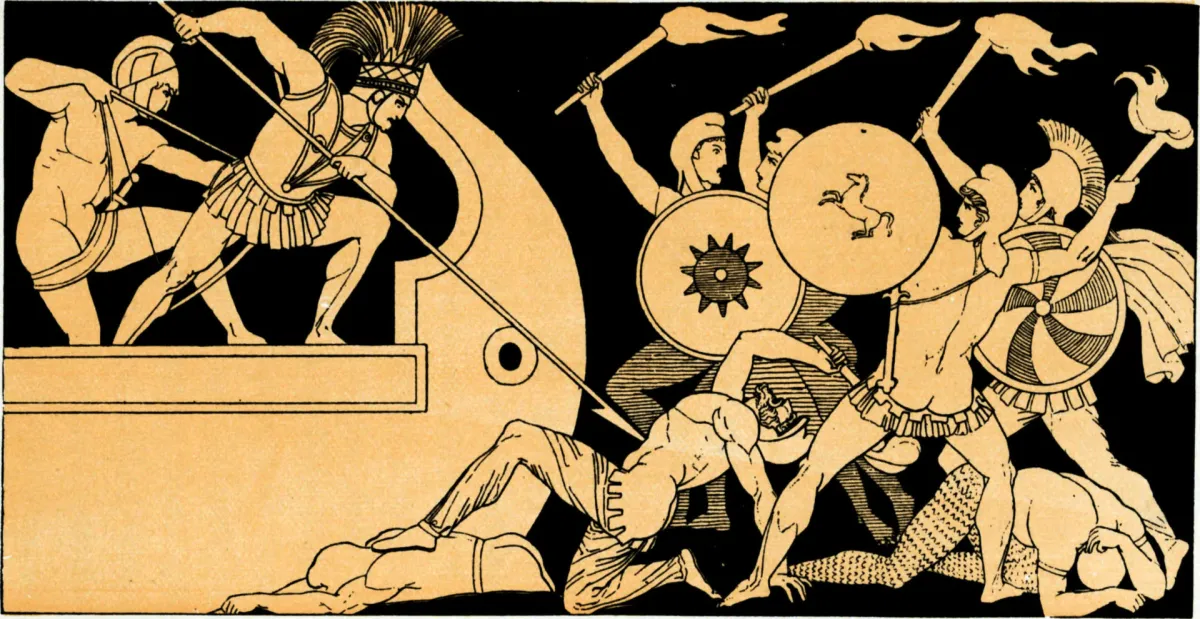
Perseus, Theseus, Heracles, Jason, and Odysseus all experience different forms of heroic adventure.
Monsters
Greek mythology also established some of the most recognizable monster archetypes.
The Minotaur.
The Cyclops.
The Hydra.
The Medusa.
The Chimera.
Cerberus.
These creatures continue to influence fantasy creature design.
Their basic concepts can be recognized in modern literature and visual media even when their appearances and stories have been transformed.
The Gods
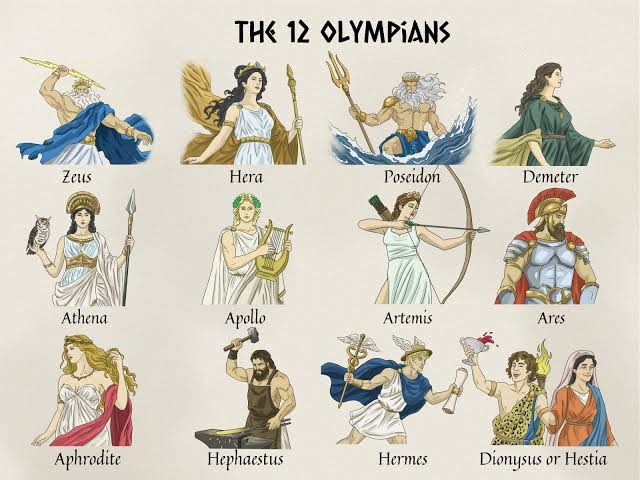
Modern fantasy frequently creates pantheons of competing supernatural beings.
This concept has strong parallels with Greek mythology.
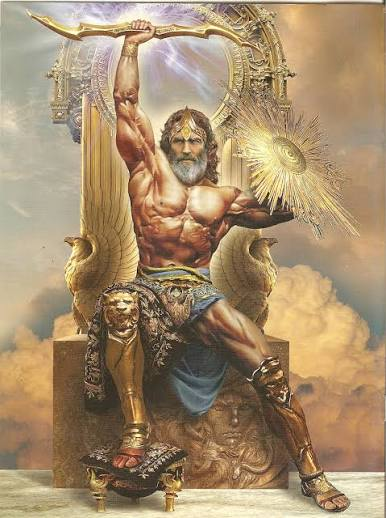
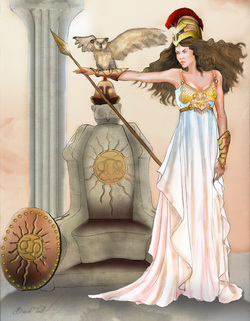
The Olympian gods possess extraordinary powers, but they also have jealousy, anger, ambition, romance, rivalry, and personal weaknesses.
Their personalities make them dramatically useful characters.
Tragic Heroes
Greek mythology also influenced the idea that heroes do not need to be morally perfect.
Achilles is courageous but proud.
Odysseus is intelligent but sometimes reckless.
Heracles is enormously powerful but commits terrible acts.
These contradictions make mythological characters psychologically interesting.
The Hero's Journey
Many modern fantasy stories contain recognizable elements of ancient heroic narratives:
a dangerous quest;
supernatural enemies;
a mysterious prophecy;
magical objects;
divine intervention;
a journey into unknown lands;
a final confrontation.
These elements existed in ancient mythology long before modern fantasy literature developed.
Prophecy
Prophecy is another major connection.
Greek mythology repeatedly features characters attempting to escape predictions about their futures.
The story of Oedipus is perhaps the most famous example.
His attempts to avoid his predicted fate ultimately contribute to its fulfillment.
Modern fantasy frequently uses similar ideas involving prophecies and attempts to change destiny.
Magical Weapons
Greek mythology contains famous supernatural objects.
Perseus uses divine equipment during his quest.
Achilles possesses exceptional armor made by Hephaestus.
Heracles obtains supernatural objects during his labors.
These ideas resemble the magical swords, armor, artifacts, and relics common in modern fantasy.
The Underworld
The Greek Underworld also influenced later fictional depictions of the afterlife.
It was not simply a place of punishment.
It contained different regions and inhabitants.
The dead continued to exist in a shadowy state, while particularly blessed or cursed individuals experienced different destinies.
This complex concept helped establish the idea of an organized supernatural realm beneath the world of the living.
Ancient Myths in Modern Entertainment
Greek mythology appears throughout modern entertainment.
Characters inspired by Greek gods and heroes have appeared in fantasy novels, films, animation, comics, television, and video games.
However, modern adaptations often change the original stories.
They may combine different myths, modernize characters, alter relationships, or invent new adventures.
Therefore, a modern version should not automatically be treated as an accurate representation of ancient Greek tradition.
Why the Myths Survive
Perhaps the greatest reason Greek mythology remains influential is that its themes are universal.
People still understand:
love;
jealousy;
ambition;
revenge;
grief;
courage;
betrayal;
family conflict;
mortality;
the desire to escape fate.
The settings may involve gods and monsters, but the emotional problems are deeply human.
Conclusion
Greek mythology became one of the foundations upon which much later fantasy storytelling was built.
Its heroes established enduring adventure archetypes.
Its monsters became templates for fantasy creatures.
Its gods demonstrated how supernatural beings could possess recognizable human personalities.
And its tragedies showed that powerful characters could still be vulnerable to fate, pride, love, and loss.
Modern fantasy continues to reinvent these ancient stories because the underlying ideas remain remarkably powerful.