When people imagine Greek islands, they often picture whitewashed houses, blue-domed churches, beaches, fishing villages, and clear Aegean water.
But beneath and beyond the modern tourist landscape lies another Greece.
Across the islands are ancient sanctuaries, ruined settlements, Bronze Age villages, fortifications, temples, tombs, theaters, and abandoned cities.
Some sites are internationally famous.
Others are comparatively quiet, allowing visitors to experience archaeology without the crowds associated with the Acropolis or Santorini's most famous viewpoints.
The following islands and locations offer particularly interesting archaeological experiences.
Delos: An Entire Archaeological Island
Delos is perhaps the clearest example of an island whose modern identity is dominated by archaeology.
According to Greek tradition, Delos was the birthplace of Apollo and Artemis.
Historically, the island became one of the most important religious centers in the Aegean and later developed major commercial importance.
Today, extensive remains cover much of the archaeological zone.
Visitors can see:
sanctuaries;
temples;
ancient houses;
mosaics;
public buildings;
markets;
monuments.
The Greek tourism authority emphasizes the exceptional concentration of Archaic, Classical, and Hellenistic remains preserved across the island.
The residential quarters are especially revealing because they show how wealthy ancient households lived.
Crete: Knossos and Beyond
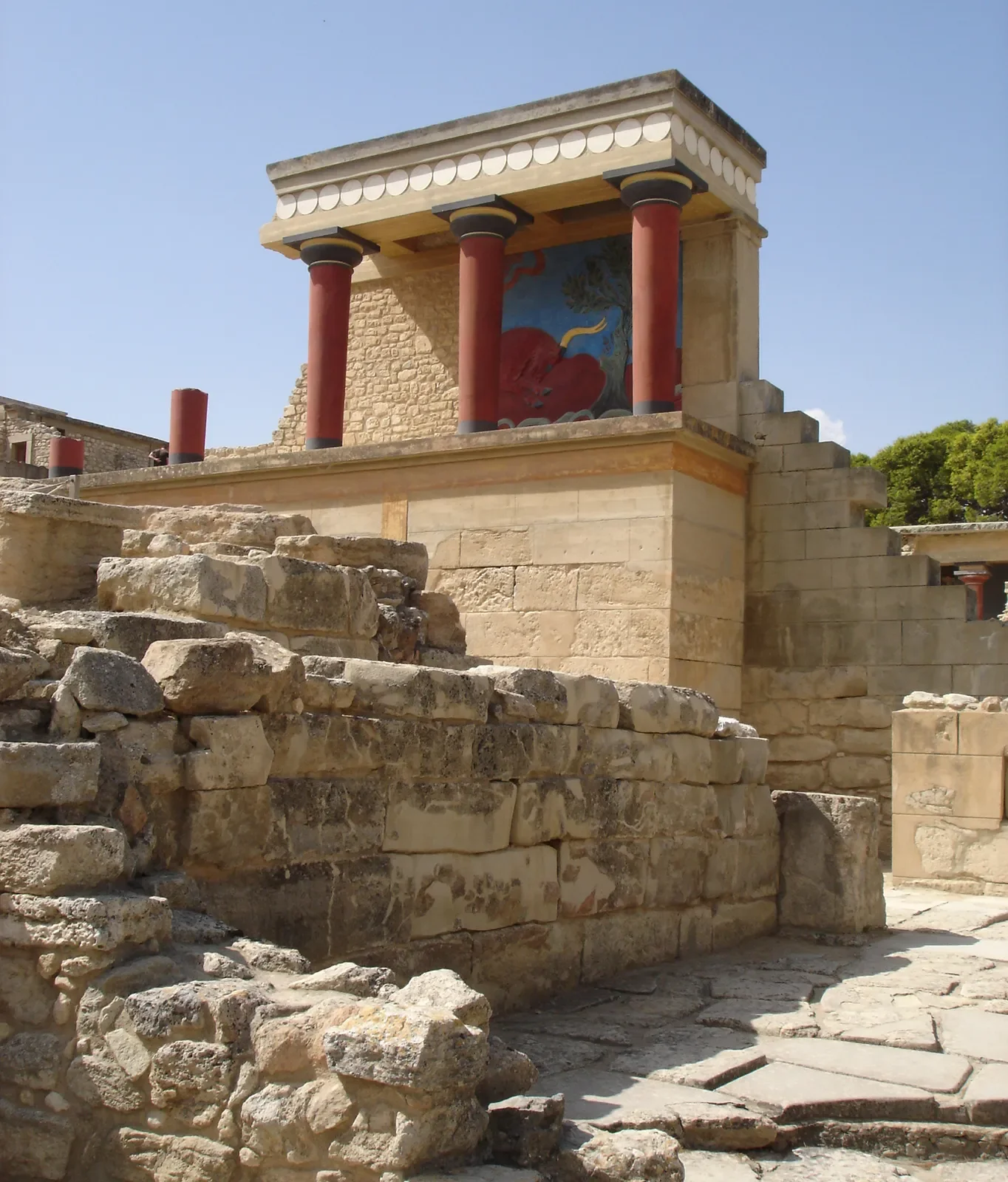
Crete contains some of the most important archaeological sites in the Aegean.
Knossos is the most famous, but it is far from the only one.
The island preserves evidence of Minoan settlements, palaces, tombs, sanctuaries, ports, and later Greek and Roman communities.
The Minoan civilization flourished during the Bronze Age.
Its architecture, frescoes, storage systems, writing, and trade networks demonstrate a sophisticated society.
Crete is particularly valuable because it allows visitors to move through several layers of Mediterranean history.
Santorini: Ancient Thera
Santorini is famous for volcanic landscapes and spectacular sunsets.
But high above the modern settlements is Ancient Thera.
The site occupies a dramatic ridge and preserves remains from different historical periods.
Its location is itself an archaeological lesson.
Ancient communities selected elevated positions for strategic reasons.
From the ridge, inhabitants could observe surrounding sea routes and landscape.
Ancient Thera therefore combines archaeology and geography in a particularly impressive way.
Rhodes: Lindos
Lindos is one of the most famous archaeological landscapes on Rhodes.
The ancient acropolis rises dramatically above the settlement.
The sanctuary of Athena Lindia occupied the summit.
The location demonstrates how Greek sanctuaries could be integrated into natural landscapes.
The acropolis also reflects Rhodes' long history of interaction with different civilizations.
Ancient Greek, Roman, Byzantine, medieval, and later influences overlap across the island.
Kos: Ancient Sanctuary Landscapes
Kos is associated with the history of Hippocrates and ancient medicine, although modern traditions surrounding the historical Hippocrates should be distinguished from the broader development of Greek medicine.
The island contains remains associated with ancient religious and medical culture.
The Asklepieion of Kos is especially important.
It demonstrates the importance of sanctuaries dedicated to Asklepios and the ancient Greek tradition of healing.
Kos also contains later Byzantine and medieval remains.
The island's archaeological story therefore extends well beyond Classical Greece.
Naxos: Temples and Ancient Settlements
Naxos was an important island in the Cyclades.
Its archaeological heritage includes sanctuaries and ancient settlements.
The famous Portara, the monumental gateway associated with an unfinished temple of Apollo, has become one of the island's best-known archaeological symbols.
But Naxos contains evidence of much older occupation as well.
The island's importance came partly from its natural resources, agricultural potential, marble, and position within Aegean networks.
Paros and Antiparos
Paros was famous in antiquity for its high-quality marble.
Parian marble became an important material for Greek sculpture.
The islands also preserve evidence of prehistoric and ancient settlement.
Antiparos is particularly interesting because archaeological research has identified prehistoric occupation.
The region demonstrates how even smaller islands could participate in long-term networks of settlement and exchange.
Samos
Samos contains the sanctuary of Hera, the Heraion of Samos.
The site became one of the major sanctuaries of the ancient Greek world.
The island was also associated with the philosopher and mathematician Pythagoras.
Samos' location near the Anatolian coast contributed to its connections with the wider eastern Aegean.
Its archaeology reflects interaction rather than isolation.
Thasos
Thasos lies in the northern Aegean and became important partly because of its natural resources.
The island was particularly valuable for marble and mineral resources.
Greek colonists established a settlement there, and the island developed into an important regional center.
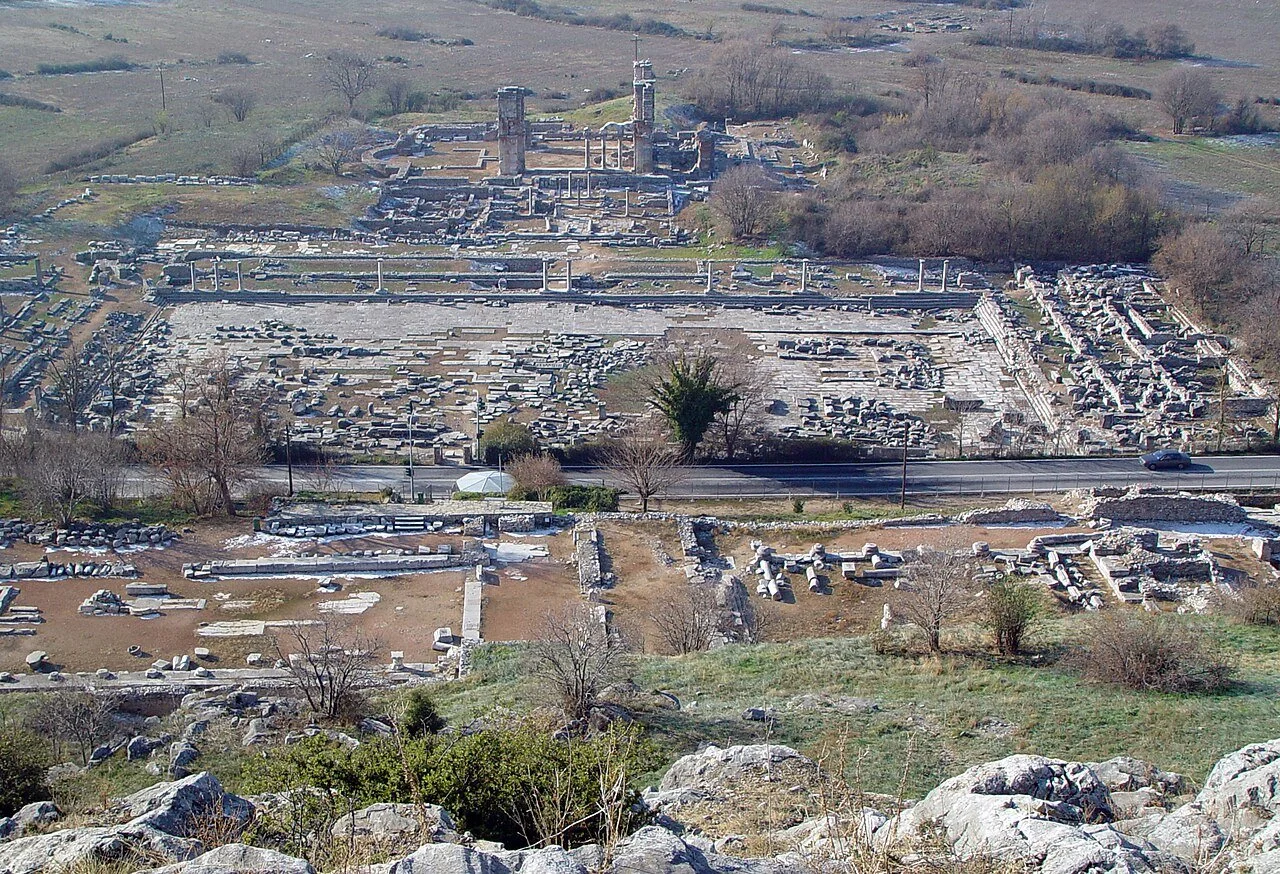
Its archaeological remains include ancient theaters, sanctuaries, walls, and public buildings.
Thasos illustrates how economic resources could shape ancient settlement patterns.
Aegina
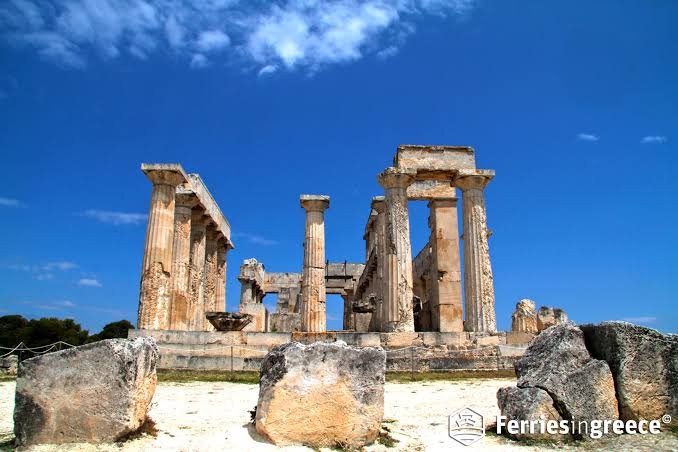
Aegina is relatively close to Athens and contains the impressive Temple of Aphaia.
The temple stands on an elevated position overlooking the sea.
Its architecture provides an important example of Greek temple development.
The sanctuary also forms part of the historical relationship between Aegina and the wider Aegean world.
Because of its proximity to Athens, Aegina offers an accessible way to experience archaeology beyond the capital.
Why Island Archaeology Matters
Greek islands were never isolated dots in the sea.
They formed networks.
Ships connected communities.
Marble, pottery, wine, olive oil, metals, textiles, and other products moved between islands and mainland regions.
Religious traditions spread across maritime routes.
Political alliances and rivalries crossed the sea.
The Aegean was therefore not a barrier.
It was a highway.
Hidden Does Not Always Mean Unknown
The term "hidden ruins" can be misleading.
Many archaeological sites are well known to specialists and local communities even if they are not internationally famous.
Some sites may have limited infrastructure, seasonal access, or fewer visitors.
This does not necessarily mean they are undiscovered.
Responsible tourism requires respecting archaeological regulations and local conservation efforts.
Visitors should not remove stones, artifacts, pottery fragments, or other material.
How to Explore Greek Island Archaeology
A good archaeological island trip should combine famous and lesser-known locations.
Spend time in museums.
Read site information.
Study maps.
Pay attention to geography.
Ask why a settlement was built where it was.
Look for evidence of trade.
Observe how ancient structures relate to the coastline.
This approach turns a holiday into historical exploration.
Conclusion
Greek islands preserve some of the Mediterranean's richest archaeological landscapes.
Delos reveals sacred and commercial life.
Crete preserves the Minoan world.
Santorini preserves Ancient Thera.
Rhodes preserves the sanctuary of Lindos.
Kos connects archaeology with ancient healing traditions.
Naxos and Paros reveal the importance of island resources.
Samos preserves one of the great sanctuaries of the ancient Greek world.
Thasos demonstrates the economic importance of natural resources.
Aegina offers monumental architecture within easy reach of Athens.
Together, these islands demonstrate that ancient Greek civilization was fundamentally maritime.
The sea connected communities rather than separating them.
For the modern traveler, that means the Greek islands offer far more than beaches.
They contain an archaeological network stretching across thousands of years.