Ancient Greek art is scattered across museums throughout Greece and the wider world.
Yet some museums are especially valuable because they preserve large, coherent collections that allow visitors to understand Greek art across centuries.
A museum can also provide something an archaeological site cannot.
At a ruin, visitors see architecture in its original landscape.
In a museum, objects can be examined closely.
Sculptures can be viewed from multiple angles.
Pottery can be studied in detail.
Jewelry can be examined at close range.
Inscriptions can be compared.
Together, museums and archaeological sites create a fuller picture of ancient Greece.
Acropolis Museum, Athens
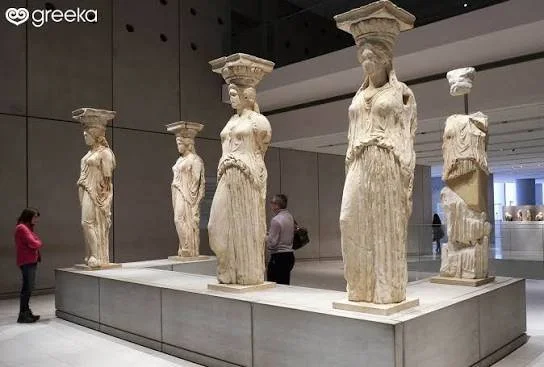
The Acropolis Museum is one of the essential destinations for anyone interested in Classical Greek art.
Located near the Acropolis, it was designed to place the artistic remains of the sacred hill within a modern museum environment.
Its collections include:
sculptures;
architectural fragments;
votive offerings;
objects from the Acropolis;
elements associated with the Parthenon.
The museum's relationship with the archaeological site is particularly important.
Visitors can see the Acropolis from the building while examining sculptures originally associated with it.
National Archaeological Museum, Athens
The National Archaeological Museum contains one of the world's most important collections of ancient Greek antiquities.
Its holdings cover enormous chronological and geographical ranges.
Visitors can encounter:
Mycenaean objects;
Archaic sculpture;
Classical sculpture;
Hellenistic art;
pottery;
bronze objects;
funerary artifacts;
jewelry.
The museum is particularly useful for understanding change over time.
Greek art did not remain visually identical for centuries.
Styles evolved dramatically.
Museum of the Royal Tombs at Aigai
For Macedonian art, Vergina is indispensable.
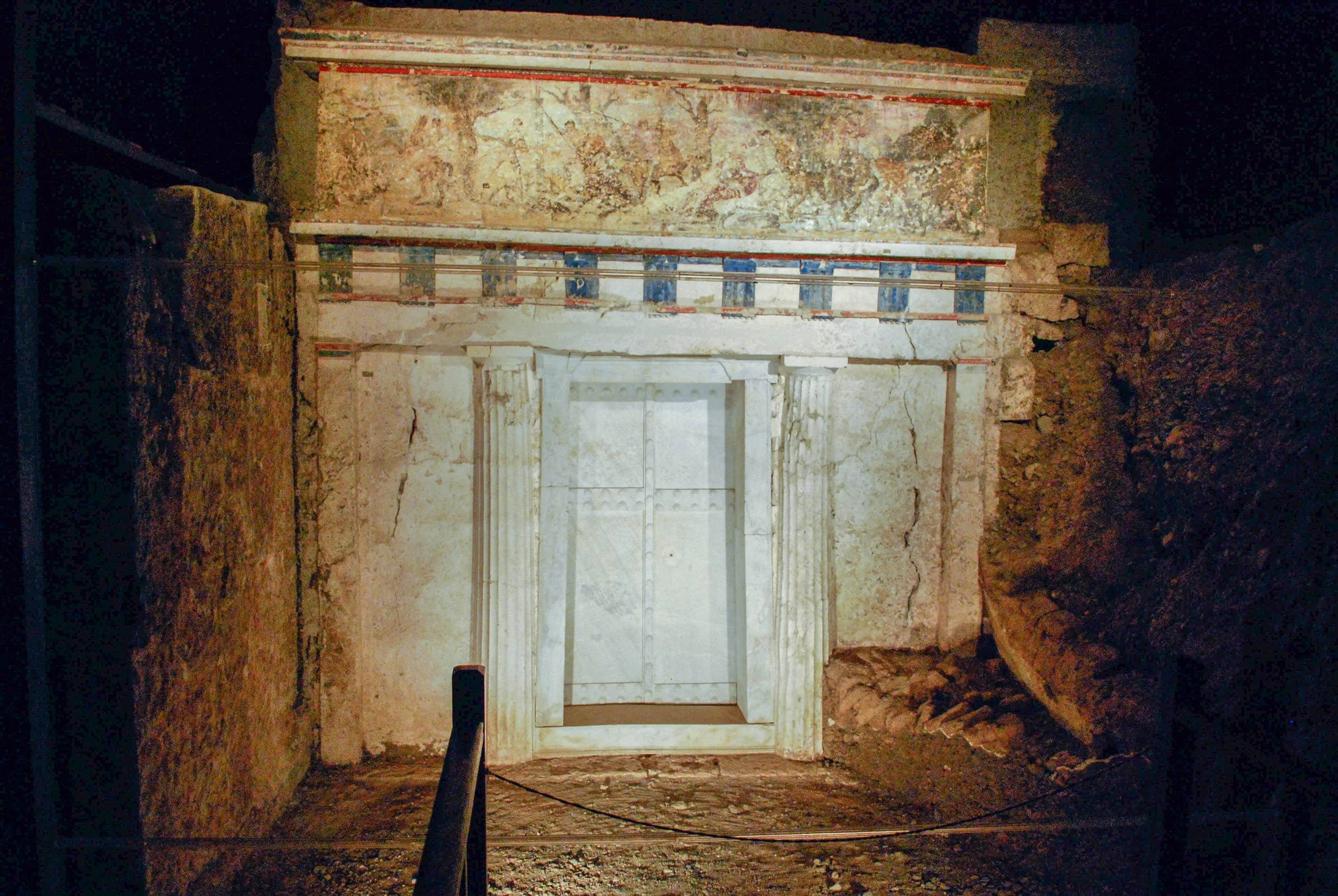
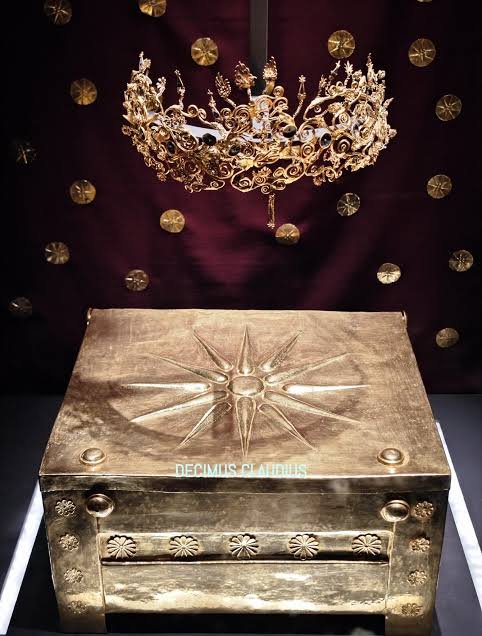
The Museum of the Royal Tombs at Aigai preserves the royal burial complex and displays extraordinary objects from the Macedonian dynasty.
The collection includes:
gold wreaths;
weapons;
armor;
jewelry;
burial containers;
painted architectural elements.
UNESCO describes the royal tombs and their contents as among the most important archaeological discoveries associated with ancient Macedonia.
Archaeological Museum of Thessaloniki
The Archaeological Museum of Thessaloniki provides an excellent introduction to ancient Macedonia.
Its collections cover prehistoric, Classical, Hellenistic, Roman, and later periods.
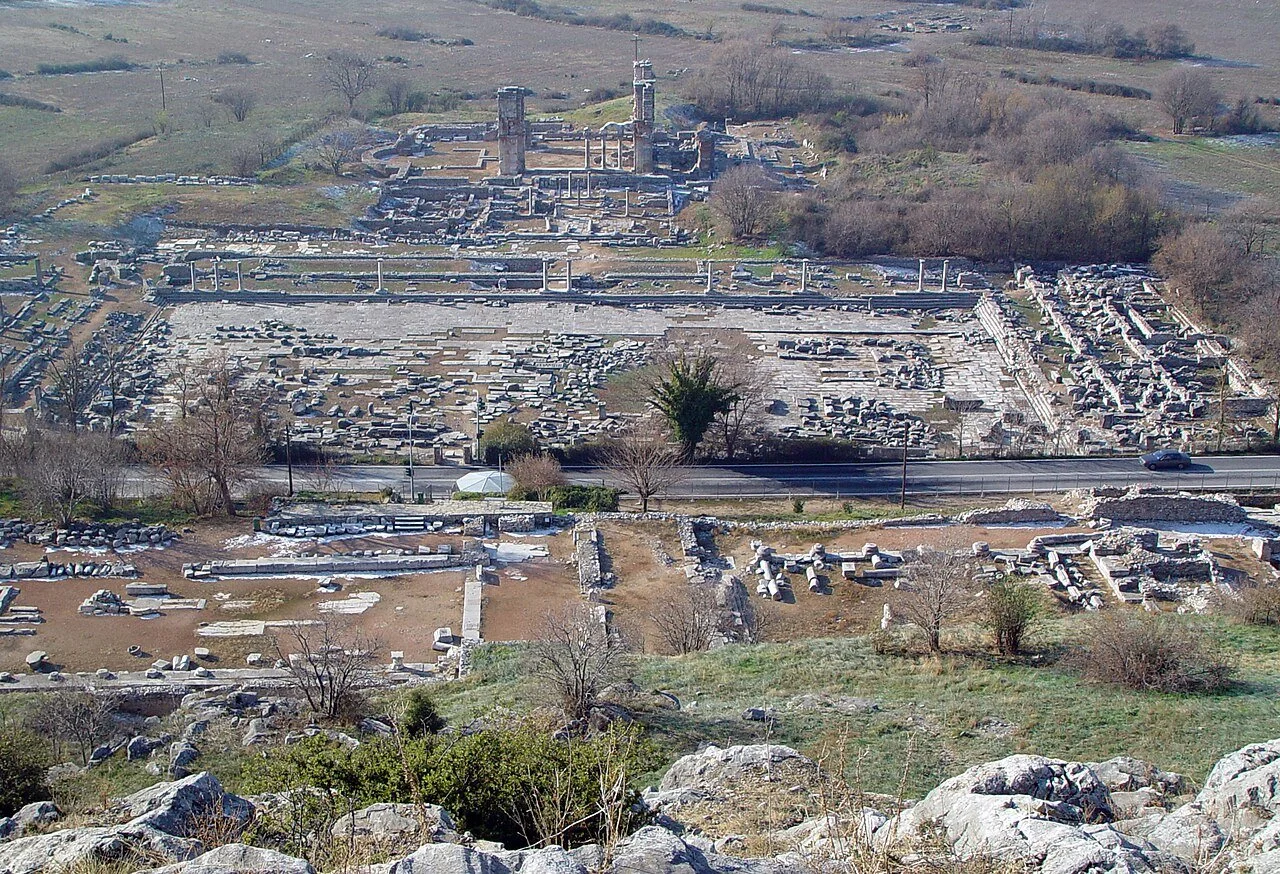
The museum is especially valuable when combined with visits to nearby archaeological sites.
After seeing ancient Macedonian architecture in the landscape, visitors can examine the artifacts that belonged to those communities.
Archaeological Museum of Heraklion
For Minoan art, the Archaeological Museum of Heraklion is one of the most important destinations in Greece.
Its collections include artifacts from Knossos and other Cretan archaeological sites.
Visitors can encounter:
Minoan pottery;
figurines;
fresco fragments;
seals;
jewelry;
religious objects.
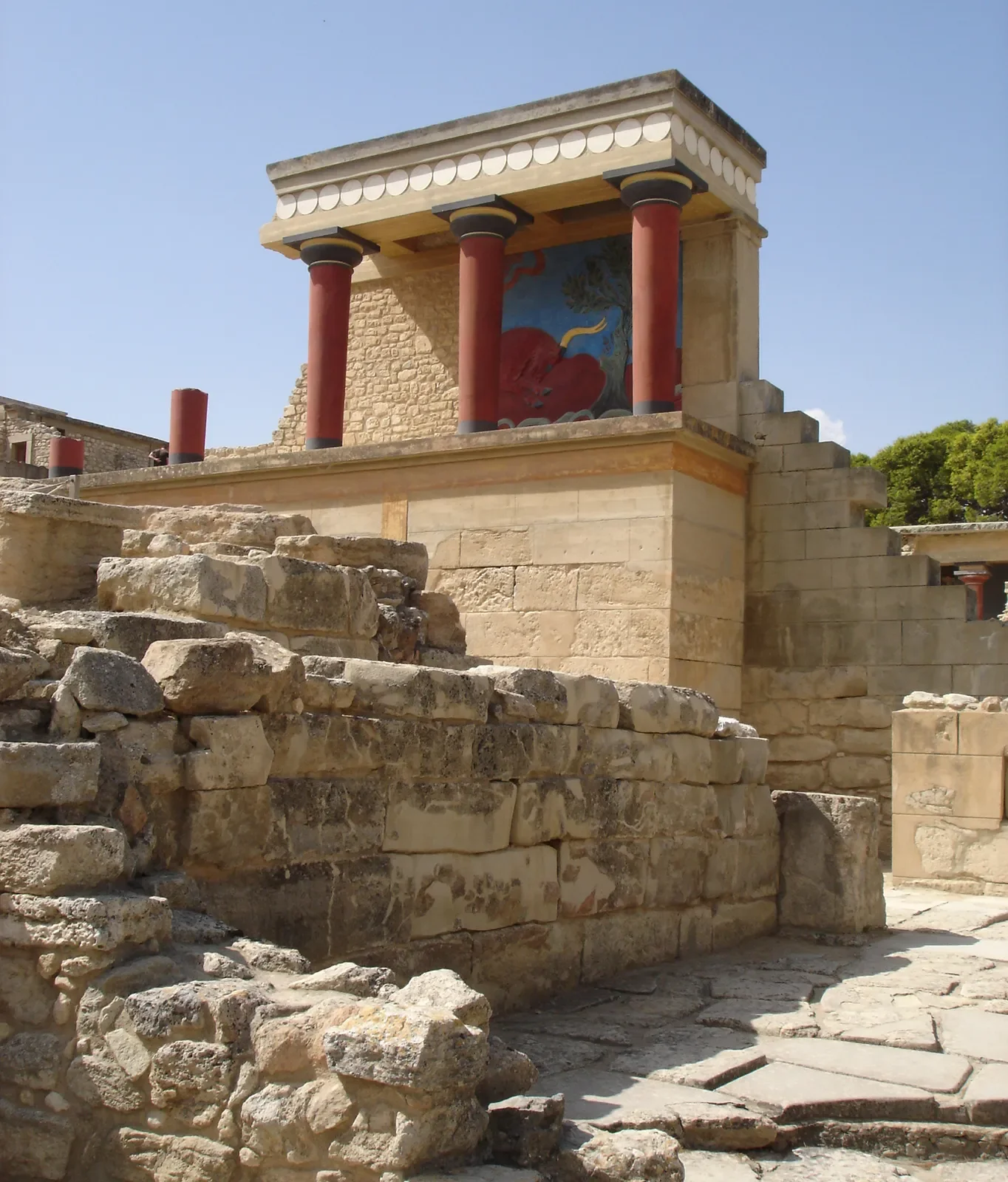
The museum provides essential context for understanding Knossos.
The palace ruins show architecture.
The museum reveals the objects that people actually used and created.
Archaeological Museum of Delphi
The museum at Delphi is particularly important because it preserves objects directly associated with the sanctuary.
Its collections include sculptures, architectural decoration, inscriptions, and offerings.
The famous Charioteer of Delphi is among its most celebrated works.
Seeing the object inside the museum before walking through the sanctuary can dramatically improve understanding of the site's artistic environment.
Archaeological Museum of Olympia
Olympia's museum preserves sculptures and artifacts discovered at the sanctuary.
Among its treasures are major examples of Classical Greek sculpture.
The museum allows visitors to understand how the sanctuary looked beyond the surviving ruins.
Museum of Ancient Corinth
Ancient Corinth was an important city at the intersection of Greek and Roman history.
Its museum contains artifacts from the archaeological site.
Visitors can explore evidence for:
Greek religion;
Roman urban life;
sculpture;
pottery;
domestic culture.
The museum is particularly useful because Corinth's archaeological remains span multiple periods.
Archaeological Museum of Patras
The Archaeological Museum of Patras is particularly valuable for understanding Roman-era urban culture in western Greece.
Its mosaics are among the most visually striking collections.
They provide insight into the houses, lifestyles, and artistic preferences of wealthy inhabitants.
Why Museums Matter
Ancient monuments are often incomplete.
Statues have lost limbs.
Temples have lost roofs.
Paint has disappeared.
Buildings have collapsed.
Museums preserve fragments that help reconstruct the original appearance.
They also allow objects from different locations to be compared.
A visitor can examine pottery styles from different periods side by side.
Museums and Archaeological Context
There is a danger in viewing ancient art as isolated masterpieces.
A statue was originally part of a context.
A vase belonged to a household, tomb, sanctuary, or workshop.
A gold wreath belonged to a burial.
A sculpture belonged to a religious or civic environment.
Understanding context makes art historically meaningful.
How to Visit a Greek Art Museum
Do not attempt to photograph every object.
Instead, choose a few pieces.
Ask:
Who made this?
When?
Where was it found?
What was it used for?
Who could afford it?
What materials were used?
Was it religious?
Political?
Domestic?
Funerary?
These questions transform museum viewing into historical analysis.
Conclusion
The best museums for ancient Greek art are not merely collections of beautiful objects.
They are research environments.
The Acropolis Museum reveals Classical Athenian art.
The National Archaeological Museum provides extraordinary chronological breadth.
Vergina preserves Macedonian royal culture.
Heraklion reveals the Minoan world.
Delphi and Olympia connect art to sanctuary life.
Thessaloniki and Patras demonstrate regional and Roman developments.
Together, these museums reveal that Greek art was never a single style.
It evolved across centuries and regions.
Its objects were created for religion, politics, burial, domestic life, warfare, celebration, and everyday use.
A visit to a Greek museum becomes much more rewarding when every artifact is treated not merely as a masterpiece—but as evidence of a human world.