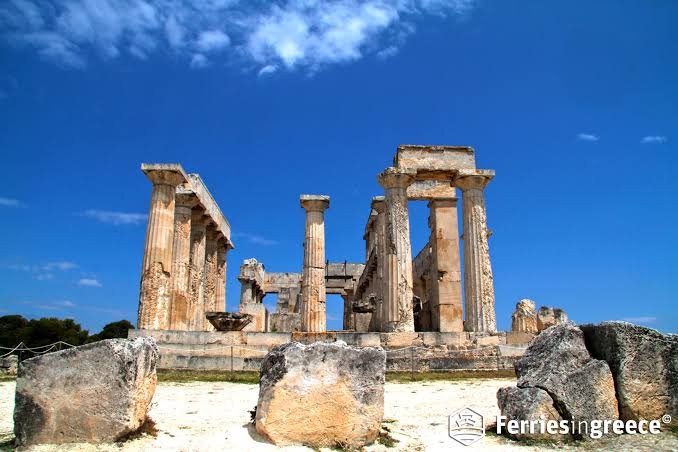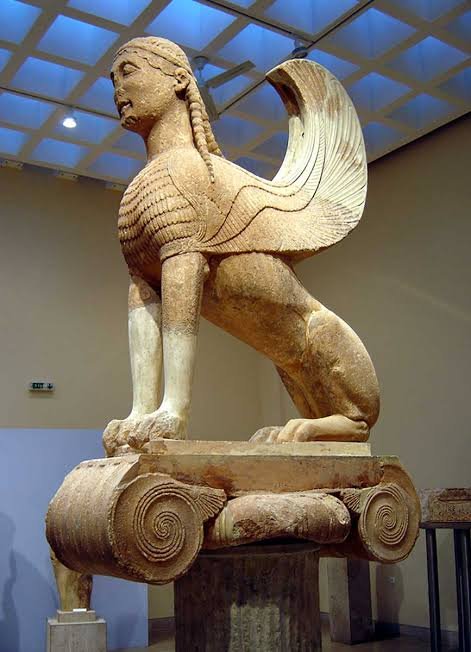
Ancient Greece is often presented through temples, philosophers, warriors, gods, and dramatic myths.
But ordinary ancient Greek life could be much stranger, more practical, humorous, and surprising than the polished marble image that survives in popular culture.
The following collection explores unusual facts and everyday details that reveal another side of Greek civilization.
1. Greeks Did Not Always Eat the Way Modern Greek Cuisine Suggests
Ancient Greek food certainly included ingredients familiar today.
Olives, grapes, wine, grains, legumes, figs, fish, and herbs were important.
But the modern concept of "Greek cuisine" should not simply be projected backward.
Ancient diets varied according to region, wealth, season, and period.
Bread and grain products were central.
Olive oil was enormously important.
Fish and seafood were especially valuable in coastal communities.
Meat was generally less common in ordinary diets than it is in many modern Western diets.
Animal sacrifice could provide opportunities for communal meat consumption.
2. Wine Was Usually Diluted
One of the most famous differences between ancient and modern Greek drinking culture was the practice of mixing wine with water.
Drinking undiluted wine could be viewed as uncivilized or excessive in some Greek contexts.
Wine was mixed in a vessel called a krater.
The ratio varied.
Water quality and cultural expectations influenced drinking practices.
The symposium was not simply a drinking party.
It was a structured social environment involving conversation, music, games, poetry, and philosophical discussion.
3. Greeks Used Perfume
Perfume was important in ancient Greek society.
Fragrant oils could be used for:
personal grooming;
religious rituals;
funerary practices;
athletic preparation;
social occasions.
Perfumed oils were often stored in small containers such as aryballoi and alabastra.
The popularity of perfume demonstrates that personal appearance and bodily presentation mattered in ancient society.
4. Ancient Greek Toilets Were Surprisingly Practical
Ancient Greeks developed sanitation systems that could be surprisingly sophisticated.
Urban environments included drains, wells, fountains, and waste-management practices.
However, sanitation varied considerably between locations.
We should not imagine every Greek city as possessing modern plumbing.
Some homes had basic sanitation facilities.
Others relied on public systems or disposal practices.
5. People Could Write Insults on Pottery
Ancient Greeks used broken pottery fragments called ostraka for writing.
Most famously, ostraka could be used in the political practice of ostracism.
But graffiti and informal inscriptions also existed.
Ancient people wrote names, messages, dedications, jokes, and insults.
This reminds us that humans thousands of years ago were capable of exactly the same impulse to write something unnecessary on a wall that modern people have.
6. Children Had Toys
Ancient Greek children played with toys.
Archaeological discoveries include:
dolls;
miniature animals;
rattles;
spinning objects;
balls;
miniature household objects.
Some toys were made of clay.
Others were made from wood or other materials.
Children's toys reveal that childhood involved recreation and imaginative play just as it does today.
7. Some Toys Had Religious Meanings
Toys could also become associated with life-cycle rituals.
Girls might dedicate childhood toys to goddesses before marriage.
This demonstrates that objects could change meaning throughout a person's life.
A toy was not necessarily only a toy.
It could become part of a ritual transition from childhood to adulthood.
8. Greeks Had Alarm Clocks
Ancient Greek engineers developed devices capable of measuring time.
One famous example is the water clock, or clepsydra.
Water flowed at a controlled rate through a container.
The changing water level could measure a period of time.
Water clocks were used for practical and civic purposes.
In Athens, clepsydrae were famously associated with timing speeches in legal proceedings.
Ancient timekeeping therefore had direct political and legal significance.
9. Ancient Athletes Used Oils
Greek athletes frequently exercised without modern clothing.
Oil could be applied to the body before exercise.
Afterward, athletes could scrape oil, sweat, and dirt from the skin using a tool called a strigil.
The practice demonstrates the importance of physical appearance and athletic culture.
Athletes were not simply training.
Their bodies were objects of social admiration.
10. Greek Beauty Ideals Were Complicated
Greek art is famous for idealized human bodies.
But real people did not necessarily resemble statues.
Sculptors created idealized representations according to cultural concepts of proportion, balance, youth, strength, and beauty.
This distinction is important.
Ancient Greek sculpture should not be interpreted as photographic evidence of ordinary Greek appearance.
It was artistic representation.
11. Ancient Greeks Had Nicknames
Names could be accompanied by descriptions or nicknames.
People could be identified by:
family;
hometown;
profession;
physical characteristics;
reputation.
This was particularly useful in societies where many individuals shared common personal names.
12. Some Ancient Greek Names Were Extremely Long
Greek personal names could be complex.
Official inscriptions could include a person's own name, father's name, and community affiliation.
This allowed individuals to be distinguished from others.
The system demonstrates how identity was connected to family and civic membership.
13. Greeks Used Lead Curse Tablets
One of the strangest archaeological traditions involves curse tablets.
People could inscribe requests for supernatural assistance on thin sheets of lead.
These texts might target:
rivals;
competitors;
legal opponents;
lovers;
business competitors.
The tablets were often folded or deposited in places associated with the underworld.
They provide a fascinating glimpse into private anxieties.
14. Ancient Greeks Worried About Bad Luck
Omens mattered.
Birds, dreams, unusual events, sacrifices, and other signs could be interpreted as messages from the divine world.
This did not mean every ancient Greek believed exactly the same thing.
Religious practice varied.
But divination was a significant feature of Greek culture.
15. The Ancient Greeks Had Sports Fans
Athletic competitions attracted enthusiastic audiences.
Victorious athletes could become famous.
Their achievements could be commemorated through statues and poems.
Competition therefore produced something resembling ancient celebrity culture.
16. Athletic Competitions Could Become Political
Athletic victory could bring prestige to a city.
Elite families could use victories to increase social status.
Rulers could associate themselves with games and festivals.
Sport therefore existed within political and social systems.
17. Greek Theater Could Be Politically Sharp
Comedy in Athens could directly mock politicians and public figures.
Aristophanes famously used satire to attack contemporary personalities and political ideas.
The theater could therefore function as a space for public criticism.
18. Greeks Used Mathematical Tricks for Engineering
Greek engineers developed mechanisms involving pulleys, levers, water systems, and mechanical devices.
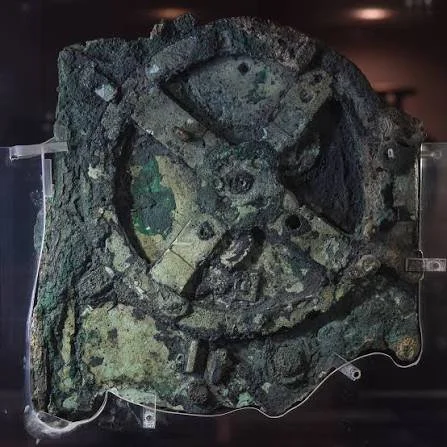
The Antikythera Mechanism provides the most spectacular surviving evidence for sophisticated ancient mechanical engineering.
It used gears to model astronomical cycles.
19. Greeks Did Not Think of Themselves as One Modern Nation
The ancient Greek world consisted of many independent communities.
Athens, Sparta, Corinth, Thebes, Argos, and others had separate political identities.
They could fight one another.
Yet they shared language, religious traditions, myths, festivals, and cultural practices.
This combination of division and cultural connection is one of the defining characteristics of ancient Greek civilization.
20. Ancient Greeks Could Be Surprisingly Superstitious
Philosophers might criticize irrational beliefs.
Scientists might seek natural explanations.
Religious specialists might interpret omens.
Ordinary people could simultaneously participate in different traditions.
Ancient Greek society was intellectually diverse.
Why These Facts Matter
The strange details of ancient Greek life are not merely amusing.
They help humanize the past.
Temples and statues can make ancient societies seem distant.
A child playing with a toy feels familiar.
A person wearing perfume feels familiar.
Someone writing an insult on a wall feels familiar.
A nervous citizen consulting an omen feels familiar.
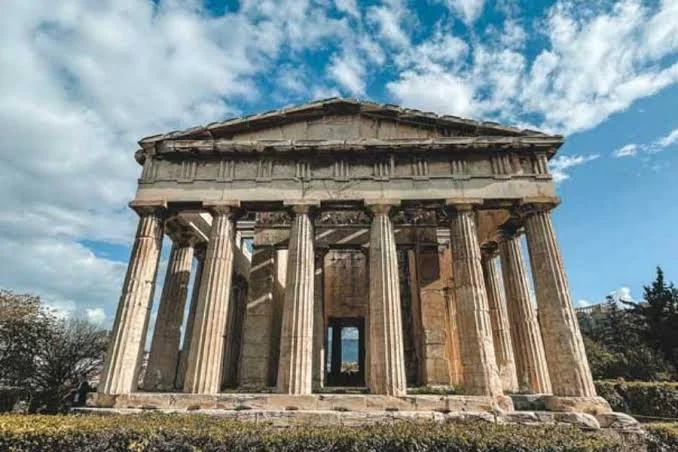
The ancient Greeks were not simply the people who built the Parthenon.
They were people who laughed, worried, competed, complained, celebrated, argued, ate, drank, raised children, fell in love, and tried to understand the world around them.
Conclusion
Ancient Greece becomes much more interesting when we move beyond the famous philosophers and monuments.
Its everyday life contained countless details that would surprise modern visitors.
Perfume, toys, curse tablets, water clocks, athletic oils, graffiti, political satire, and unusual rituals all reveal a society that was both remarkably different from our own and surprisingly recognizable.
The past becomes easier to understand when we stop treating ancient people as statues and start seeing them as people.