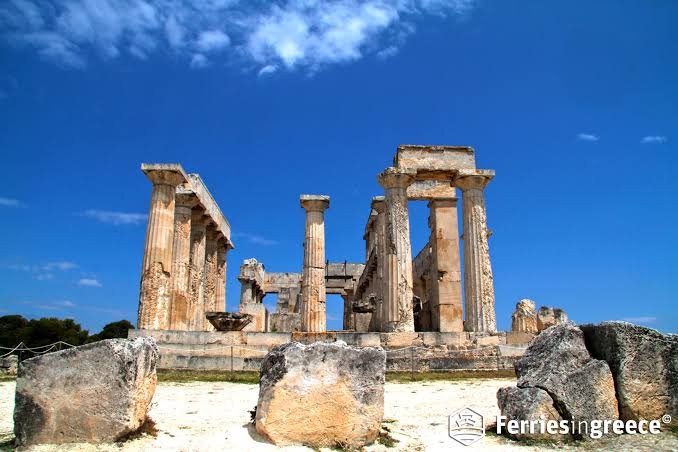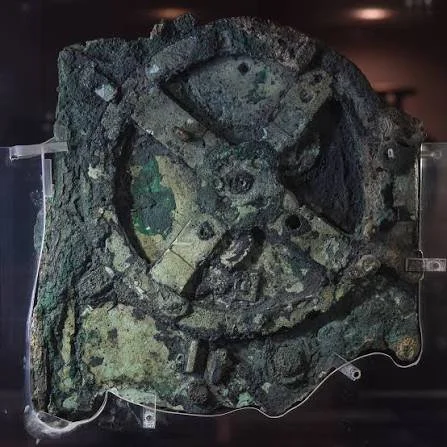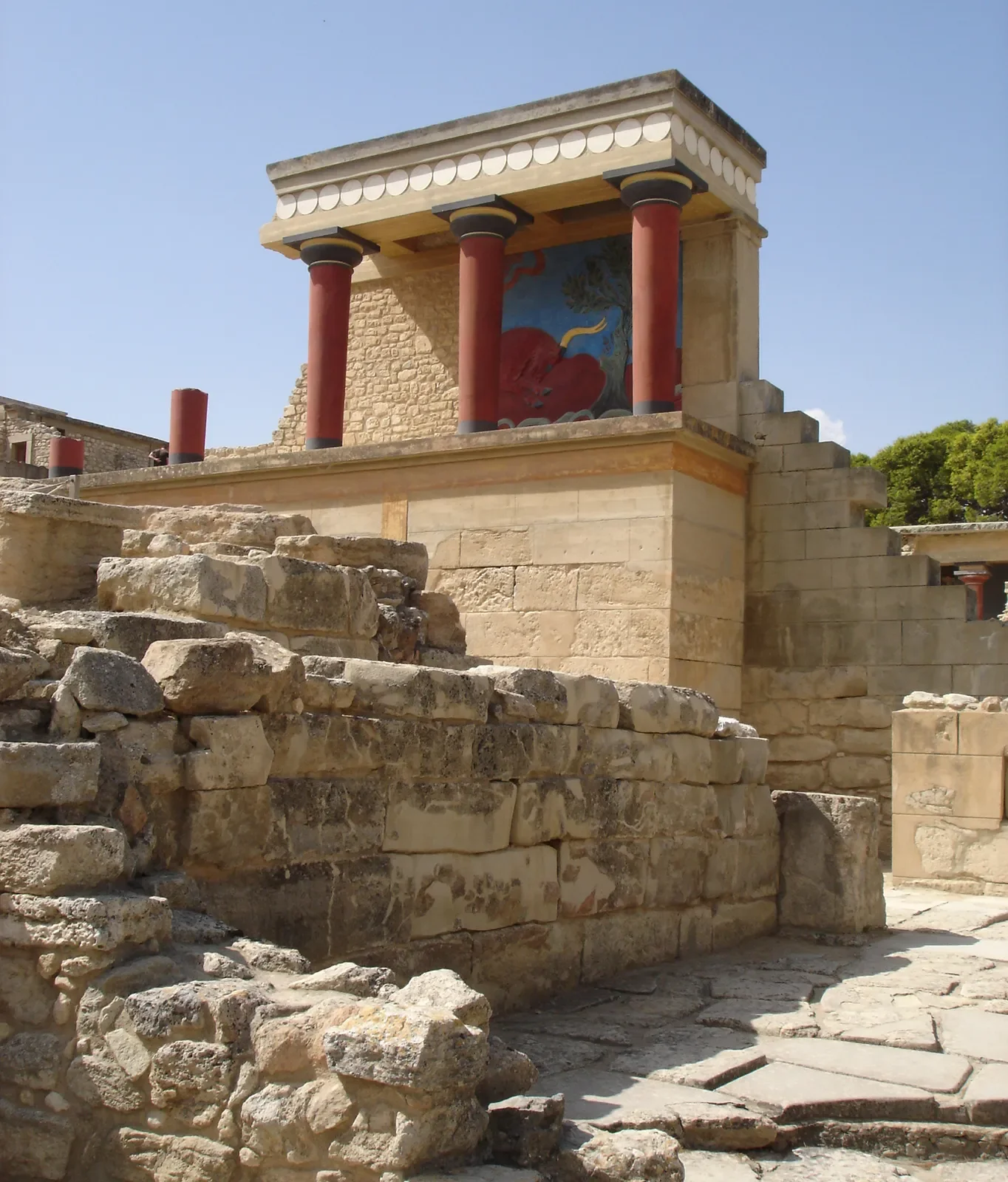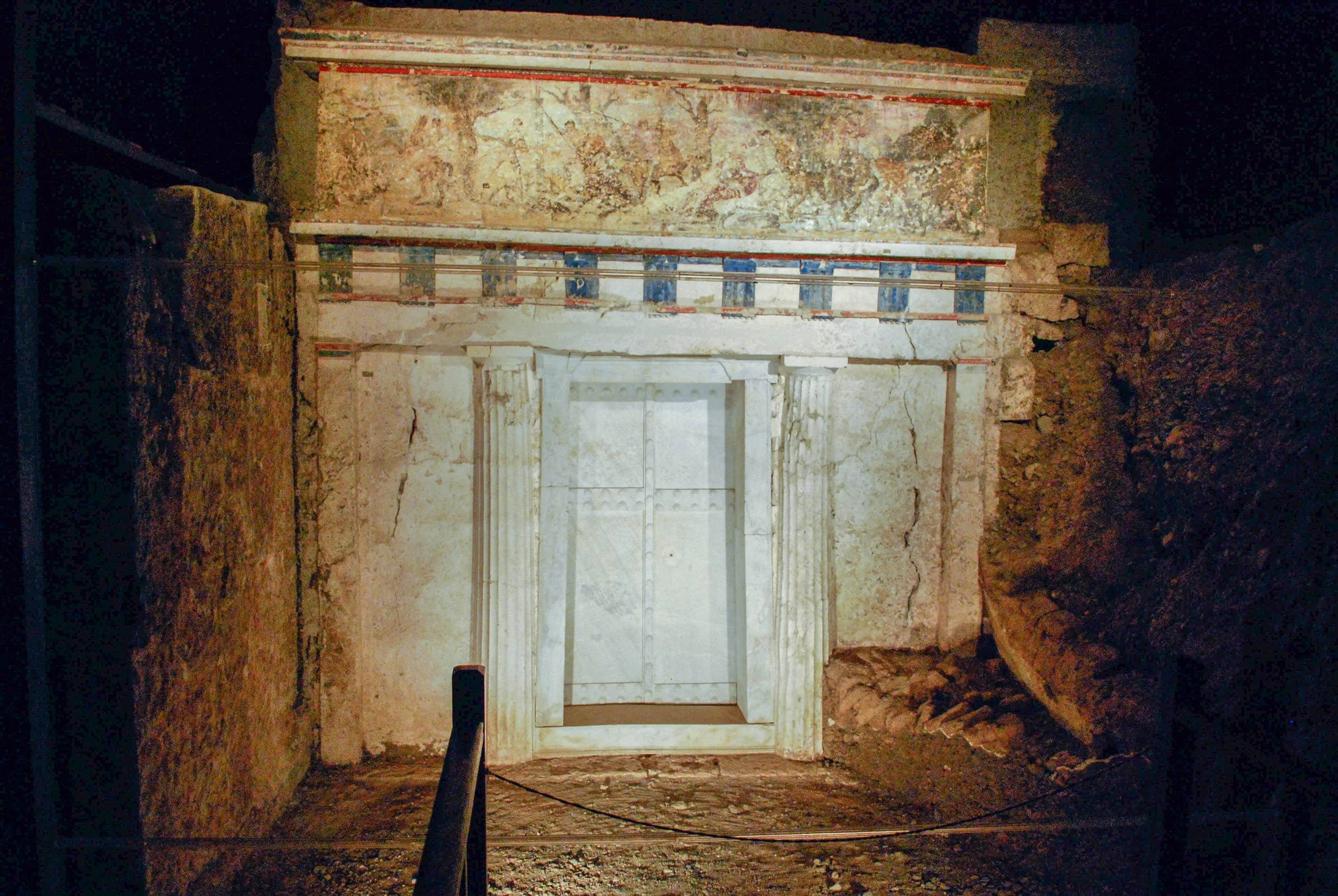
The history of Ottoman Athens is often overshadowed by the city's ancient monuments.
Visitors think of the Acropolis, the Parthenon, and Classical Athens.
But for centuries, Athens was an Ottoman city.
Its inhabitants lived in a society shaped by Islamic institutions, Christian communities, Jewish residents, merchants, soldiers, administrators, and imperial networks.
The role of eunuchs within the Ottoman imperial system is historically significant.
However, the specific claim that Ottoman eunuchs exercised a documented influence over 17th-century Athens palaces requires caution.
There is strong evidence for the political importance of eunuchs within the Ottoman imperial household, but that does not automatically establish a direct eunuch-controlled palace network in Athens.
Eunuchs in the Ottoman Empire
Eunuchs occupied important positions within the Ottoman imperial household.
The two most prominent categories were generally associated with:
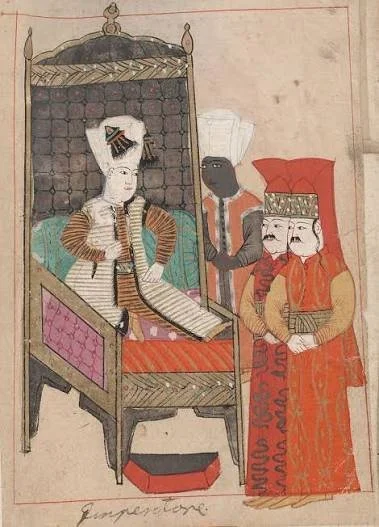
the Black Eunuchs, particularly connected with the imperial harem;
the White Eunuchs, who served in other palace and administrative roles.
Their responsibilities could include guarding palace spaces, supervising personnel, and participating in court administration.
Some eunuchs became extremely powerful.
Why Could Eunuchs Become Powerful?
The imperial palace was a highly hierarchical institution.
Access mattered.
Individuals who controlled access to the ruler, household, treasury, or correspondence could accumulate influence.
Eunuchs were particularly positioned within certain palace institutions because their status allowed them to serve in environments where ordinary male officials could not.
Some became trusted intermediaries.
The Chief Black Eunuch
The Kızlar Ağası, or Chief Black Eunuch, became one of the major officials of the Ottoman court.
The office developed considerable political importance.
The chief eunuch could possess wealth, influence appointments, control charitable foundations, and participate in court politics.
This is one reason historians sometimes describe eunuchs as more than palace servants.
They could become political actors.
Athens in the Seventeenth Century
Seventeenth-century Athens was not the imperial capital.
The Ottoman capital was Istanbul.
Athens was a provincial city.
Its political institutions were therefore very different from the imperial palace.
The city contained:
local Ottoman officials;
Orthodox Christian institutions;
merchants;
artisans;
farmers;
foreign visitors.
Its famous ancient monuments were incorporated into the Ottoman urban environment.
The Parthenon Under Ottoman Rule
The Parthenon had already undergone dramatic changes before the Ottoman period.
It had been a Christian church and later a mosque.
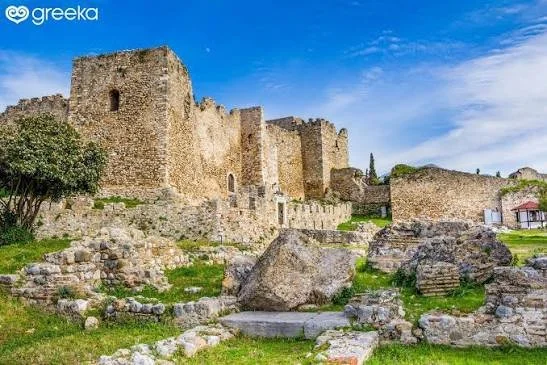
During the Ottoman era, the Acropolis functioned as a fortified military settlement.
This demonstrates the difference between modern Athens and early modern Athens.
The Acropolis was not simply an archaeological monument.
It was a living defensive complex.
Where Eunuch Influence Could Have Appeared
If imperial eunuchs influenced Athens, it would more likely have occurred indirectly through the imperial administrative system.
For example, a powerful court official might possess:
land;
charitable foundations;
tax privileges;
commercial interests;
religious endowments.
These could connect Istanbul with provincial territories.
But a direct "eunuch palace" in Athens would require specific documentary evidence.
Waqf and Political Power
One of the most important mechanisms of Ottoman influence was the waqf, or charitable endowment.
Wealthy officials could establish foundations supporting:
mosques;
schools;
fountains;
soup kitchens;
religious institutions;
maintenance of public facilities.
A powerful official's influence could therefore extend far beyond Istanbul.
Eunuchs and Endowments
Some high-ranking eunuchs established enormous charitable foundations.
Their wealth could be invested in properties across the empire.
This makes it possible for eunuch patronage to appear in provincial records.
But each case must be demonstrated individually.
A building associated with an Ottoman official should not automatically be attributed to a eunuch.
Athens and the Imperial Court
The strongest relationship between Athens and the imperial court was administrative.
Provincial authorities ultimately operated within Ottoman institutions.
Appointments, taxation, military organization, and legal structures connected Athens to the wider empire.
Court politics could therefore affect provincial life indirectly.
The Problem of "Palaces"
The word palace is another important complication.
Ottoman Athens did not contain an imperial palace comparable to Topkapı Palace.
The city possessed residences of local elites and officials.
These may have been substantial.
But calling them "palaces" can create a misleading impression of direct imperial residence.
Archaeological Evidence
Researchers studying Ottoman Athens can examine:
architectural remains;
fountains;
mosques;
inscriptions;
waqf documents;
tax records;
travel accounts;
archaeological layers.
Written documentation is particularly important for identifying patrons.
An inscription can sometimes name the person responsible for a building.
Conclusion
Ottoman eunuchs genuinely occupied important positions within the imperial political system.
Some became extremely wealthy and influential.
Their charitable foundations and administrative activities extended beyond the palace.
But the specific claim that eunuchs directly controlled or shaped seventeenth-century "Athens palaces" is not securely established by the evidence identified for this article.
The more defensible historical story is broader.
Athens existed within an Ottoman imperial system whose center was Istanbul, and powerful court officials—including eunuchs—could influence provincial society through administration, patronage, property, and charitable endowments.
The history of Ottoman Athens therefore becomes more interesting when it is connected to the institutions of the wider empire without turning every provincial monument into evidence of direct imperial intervention.