Legend has it that the ancient Spartans threw their sick children into Kaiadas. However, what research confirms is that the Spartans did not throw the sick children into Κaiadas. There they executed those condemned to death, the corrupt, the traitors, the criminals and the prisoners of war.
The hero of the Second Peloponnesian War, Aristomenis, ended up in Κaiadas with 50 captured Messinians, and also King Pausanias, who had been sentenced to death as a traitor, was to be thrown there, though it did not happen.
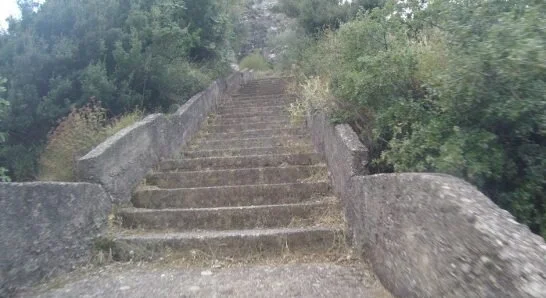
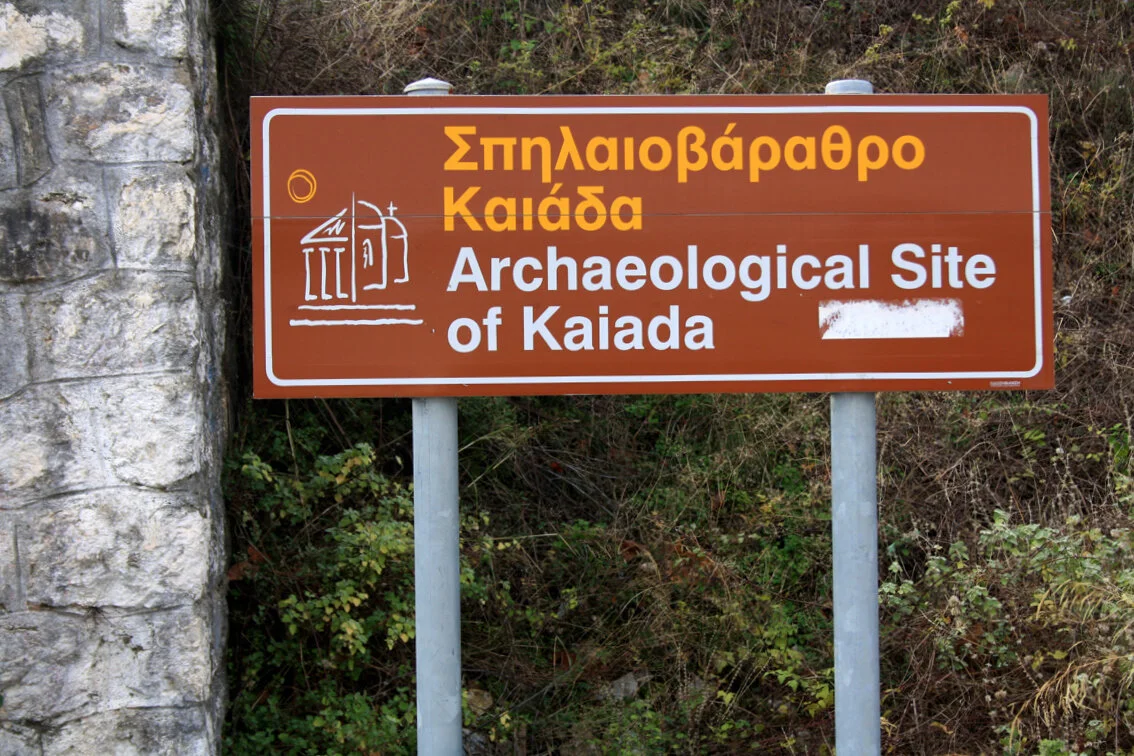
Kaiadas, the abyss of "terror", is located near the village of Trypi, 10 km from Sparta, next to the public road Sparta - Kalamata.
The existence of an abyss with human bones in its depths had been known for many years, but the first official on-site investigation was carried out in 1983. Most of the bones were indeed human.
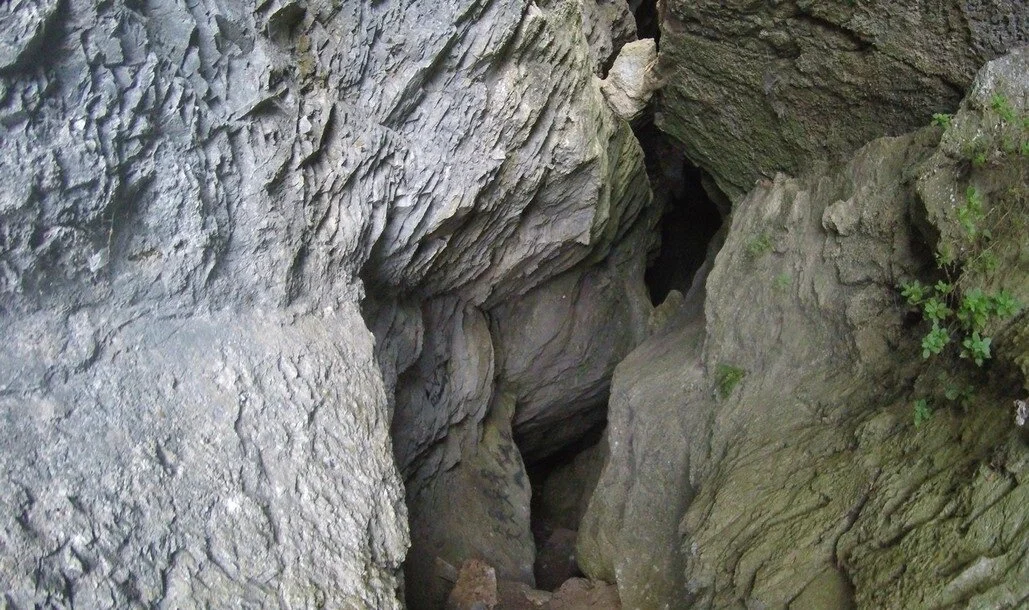
The overthrow of the myth
According to the anthropological study, these are skeletons that belong to men, and only a few skeletons are from women. This dispels the myth of newborn babies who allegedly were thrown there because of a disability. After all, many respected Spartans like poet Tyrtaeus and King Agisilaos, were blind or lame.
Besides the bones in Kaiadas, arrowheads and spears were also found. An arrowhead was nailed to a skull fragment. Iron bracelets were also found, so the theory that prisoners or captives were executed there is confirmed. The throw in Kaiadas was an ignominious death because it involved criminals and the body remained unburied, so that the criminal's soul would never find peace. It was an eternal punishment.
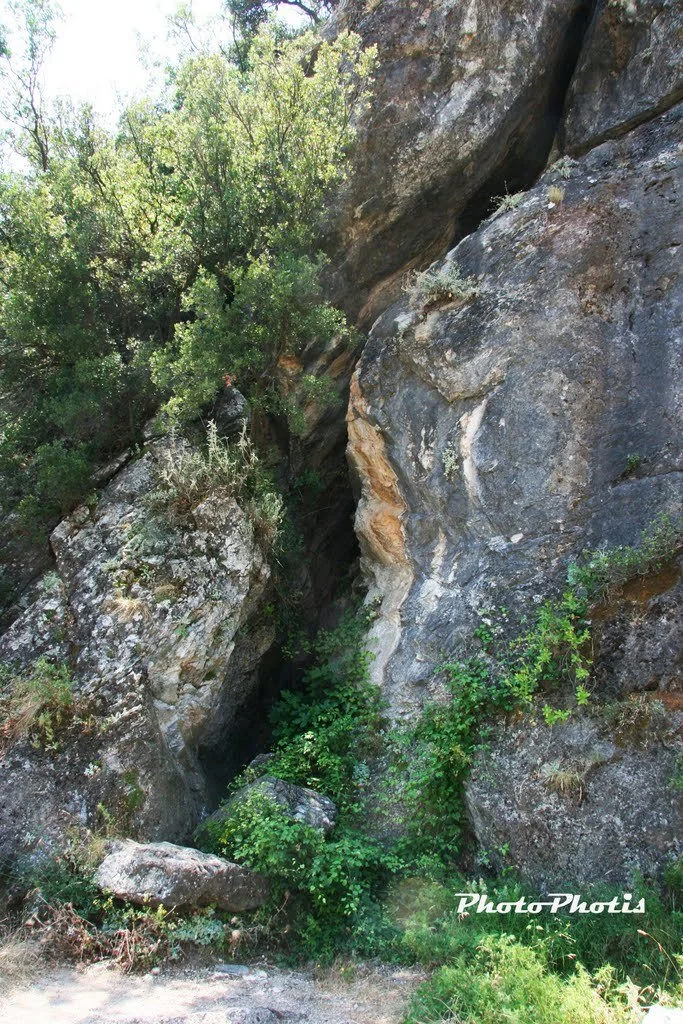
The beginning of the myth
The myth of sick children began with Plato, who in "Politia" writed about killing sick babies in an abyss. Of course Plato was referring to classical Athens and not to Sparta. Perhaps the myth was identified with a reference by Plutarch in the life of Lycurgus about the "Deposits". According to it, the Spartans brought the newborns before a panel of elders. If the conclusion of the committee was negative, it meant that the child would not be a capable Spartan citizen.
Then they took him to the "Deposits", an abyss somewhere in Taygetos, so that the sick infant would die, but his death would not be covered by the state. The investigation claims that in this case there were severe deformities and no minor disabilities. This also applies to children born out of wedlock.
The executions of prisoners
Herodotus speaks of executions of prisoners, which always took place at night, but in prison. There is no reference to Kaiadas. Perhaps the bodies were thrown there after the execution. There is little evidence of murder in Sparta, much less the sentences handed down. In general, the evidence in ancient times is limited.
The mythology with Kaiadas seems to have started in 1904 after research in the cave. It was assumed that the bones found belonged to small children, which is why the archeologists of that time concluded that the old Spartans threw disabled children off the cliff.
As science progressed, he began scientific research in 1956 using the carbon-14 method, which proved that the bone finds belonged mainly to adults and caused fractures. During the 1980s, but also in 2003, archeological and speleological expeditions tried to confirm the theory by dispelling the myth of sick infants.
The scientists were at least partly descended from Kaiadas. We do not know if they reached the "bottom" of this well. After all, after so many thousands of years, it is possible that the geological structure of Kaiadas has changed. What is important is that research has shown that the legendary cruelty of the Spartans, at least in this respect, was a miscalculation, and maintaining this claim belongs in the realm of fantasy, not historical truth.