Introduction
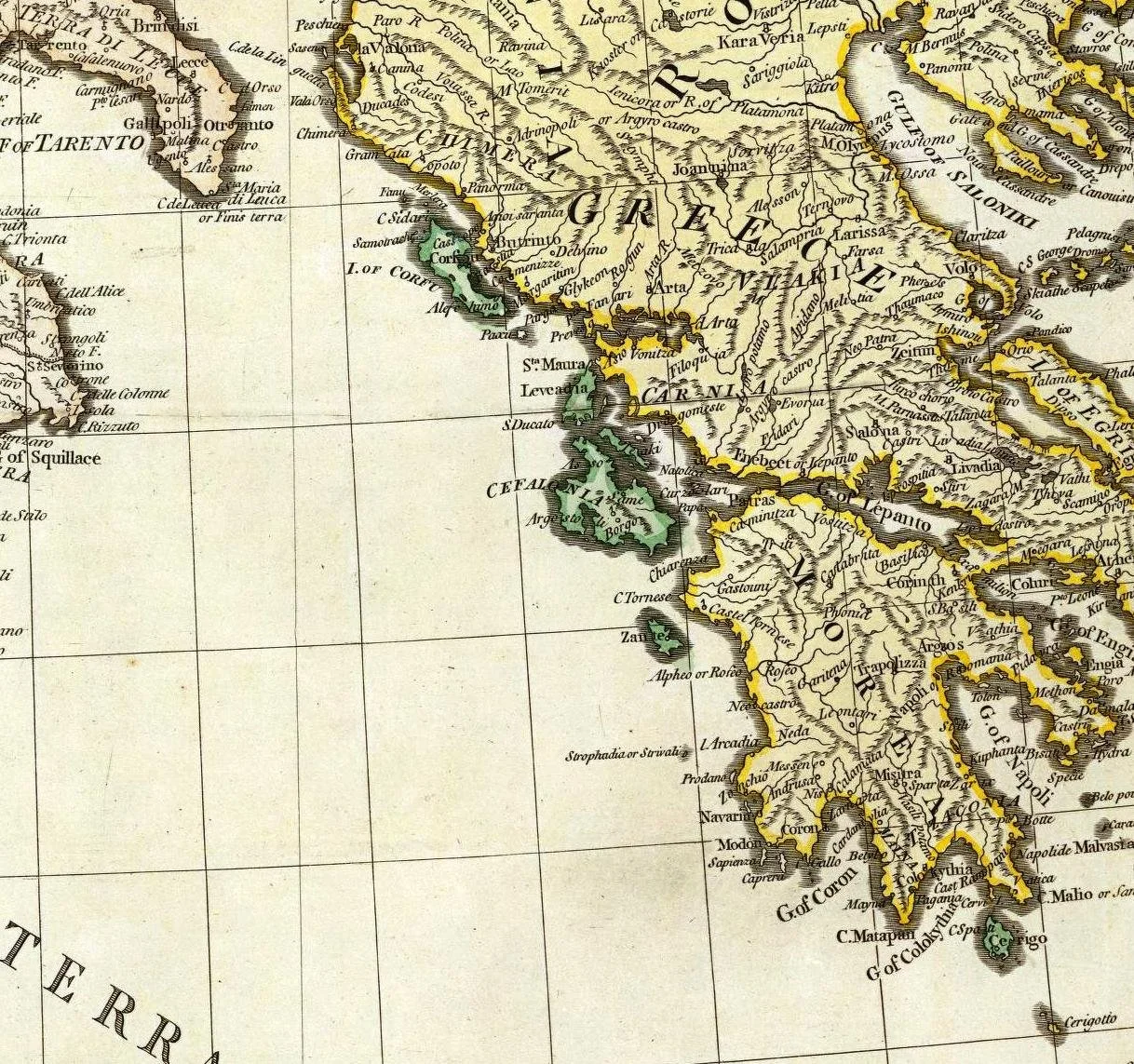
Arcadia, a mountainous region in the central Peloponnese, occupies a distinctive place in ancient Greek religion and mythology. Its forests, valleys, caves, and rugged highlands became associated with wilderness deities, pastoral life, and stories about the relationship between human beings and the natural world. Ancient Arcadia was not simply an isolated wilderness, however. Its communities maintained settlements, agricultural systems, sanctuaries, and regional connections that shaped their religious practices.
The concept of bear cult initiations offers an opportunity to explore the relationship between animal symbolism, coming-of-age ceremonies, and the worship of Artemis. Bears held an important place in several ancient Mediterranean and European traditions, while Artemis was associated with wild animals, young people, and transitions between stages of life. Nevertheless, a specific Arcadian institution of bear-cult initiation should not be assumed without direct historical or archaeological evidence.
Artemis and the Wilderness
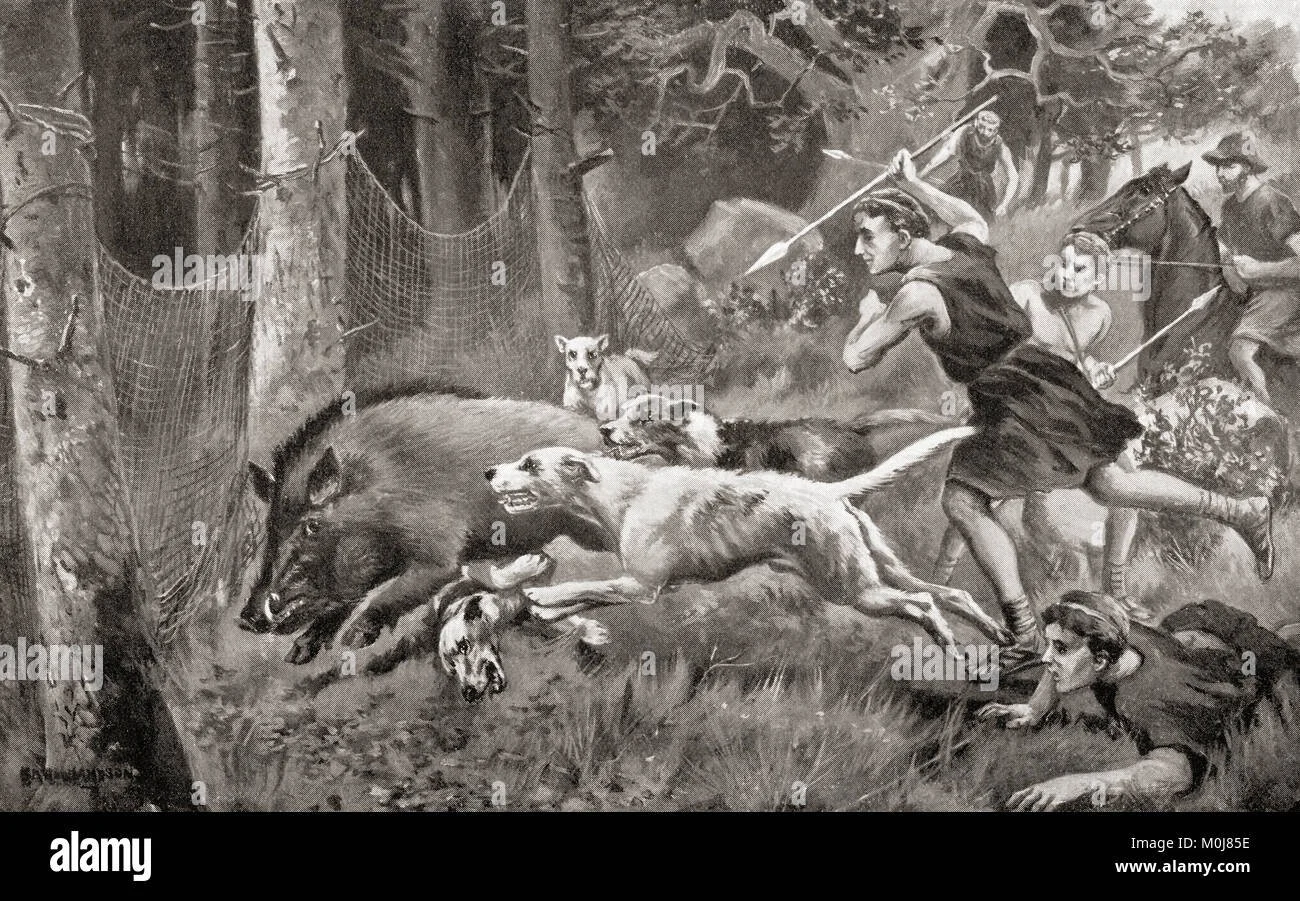
Artemis was one of the most widely worshipped goddesses in the Greek world. Her religious functions varied by region, but she was commonly associated with hunting, wild landscapes, animals, young people, and the protection of transitions in human life.
Her connection with wilderness was particularly significant in mountainous areas such as Arcadia. Forests and uncultivated landscapes could be viewed as places where ordinary social rules met the unpredictable forces of nature. Religious ceremonies in such settings might mark important changes in an individual's life or reinforce a community's relationship with a deity.
Artemis was not exclusively a goddess of hunting. Some of her cults involved childbirth, the protection of children, and the transition from childhood to adulthood. These associations help explain why scholars investigate animal symbolism and initiation when studying her worship.
Bears in Ancient Greek Ritual Traditions
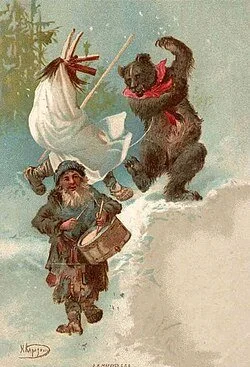
The bear was a powerful animal in the ancient imagination. Its size, strength, seasonal behavior, and ability to move between forests and open ground made it an impressive presence in the landscape.
One of the best-known Greek traditions involving bears is associated with Artemis at Brauron in Attica, rather than Arcadia. Ancient literary and later scholarly discussions connect the sanctuary with young girls and a ritual described using the term arkteia, commonly interpreted in relation to playing the bear. The precise meaning and historical development of the ceremony remain subjects of scholarly discussion.
This evidence is important because it demonstrates that bear symbolism could appear in Greek religious practice. It does not, however, prove that the same ceremony took place throughout Arcadia or that all Artemis sanctuaries followed identical customs.
Initiation and the Transition to Adulthood
Initiation ceremonies occur in many societies and may mark the transition from childhood to adulthood, the acquisition of a new social role, or entry into a religious community.
In ancient Greece, age-related rituals could involve festivals, offerings, processions, music, dance, and participation in sanctuaries. These activities connected individual development with the expectations of the community.
When interpreting a possible initiation ceremony, historians must determine who participated, what the ritual involved, and what evidence establishes its meaning. A story involving a young person and a wild animal may symbolize courage or transformation without describing a literal initiation.
Arcadian Sacred Landscapes
Arcadia contained sanctuaries associated with several important deities, including Artemis, Pan, and Zeus. Mountains, springs, caves, and forested areas could become sacred places because of their distinctive physical characteristics or their relationship to local traditions.
Such environments provided settings for offerings, sacrifices, festivals, and other forms of religious activity. They could also inspire stories about divine encounters, transformation, and the boundaries between civilization and wilderness.
Archaeologists investigating an alleged bear cult would examine sanctuary remains, inscriptions, figurines, animal bones, and other evidence. A bear image might be significant, but its meaning would depend on its archaeological context and relationship to the rest of the site.
Mythology and Animal Transformation
Greek mythology frequently used animal transformation to explore divine power, punishment, protection, and identity. Artemis's stories sometimes involve animals, hunters, and people who cross boundaries between human and divine worlds.
The bear could therefore function as more than a physical creature. It might symbolize wilderness, strength, danger, maternal protection, or a transition in social status.
Yet symbolic interpretation must not replace historical evidence. A myth about a bear does not establish that a community conducted a ceremony involving a living bear or dressed participants in bear costumes.
What Archaeology Can Establish
Research into ancient animal cults requires several kinds of evidence. Archaeologists may study animal remains, votive offerings, inscriptions, figurines, sanctuary architecture, and the distribution of objects within a site.
Zooarchaeology can identify animal species from bones and investigate whether remains were associated with meals, sacrifices, or other activities. Even then, the presence of bear bones would not automatically establish a bear cult. The animal might have been hunted, consumed, or deposited for unrelated reasons.
Written sources must also be examined carefully because ancient authors sometimes described unfamiliar religious practices through their own assumptions.
Conclusion
Arcadian bear cult initiations provide a compelling subject for investigating Artemis, animal symbolism, and the religious meaning of wilderness in ancient Greece. Evidence for bear-related ritual traditions exists in the wider Greek world, especially in connection with Artemis at Brauron. However, a specific Arcadian initiation system requires independent confirmation. The most productive approach is to combine mythology, regional religious history, and archaeological research while distinguishing documented practices from interpretations inspired by the powerful image of the bear.