Introduction
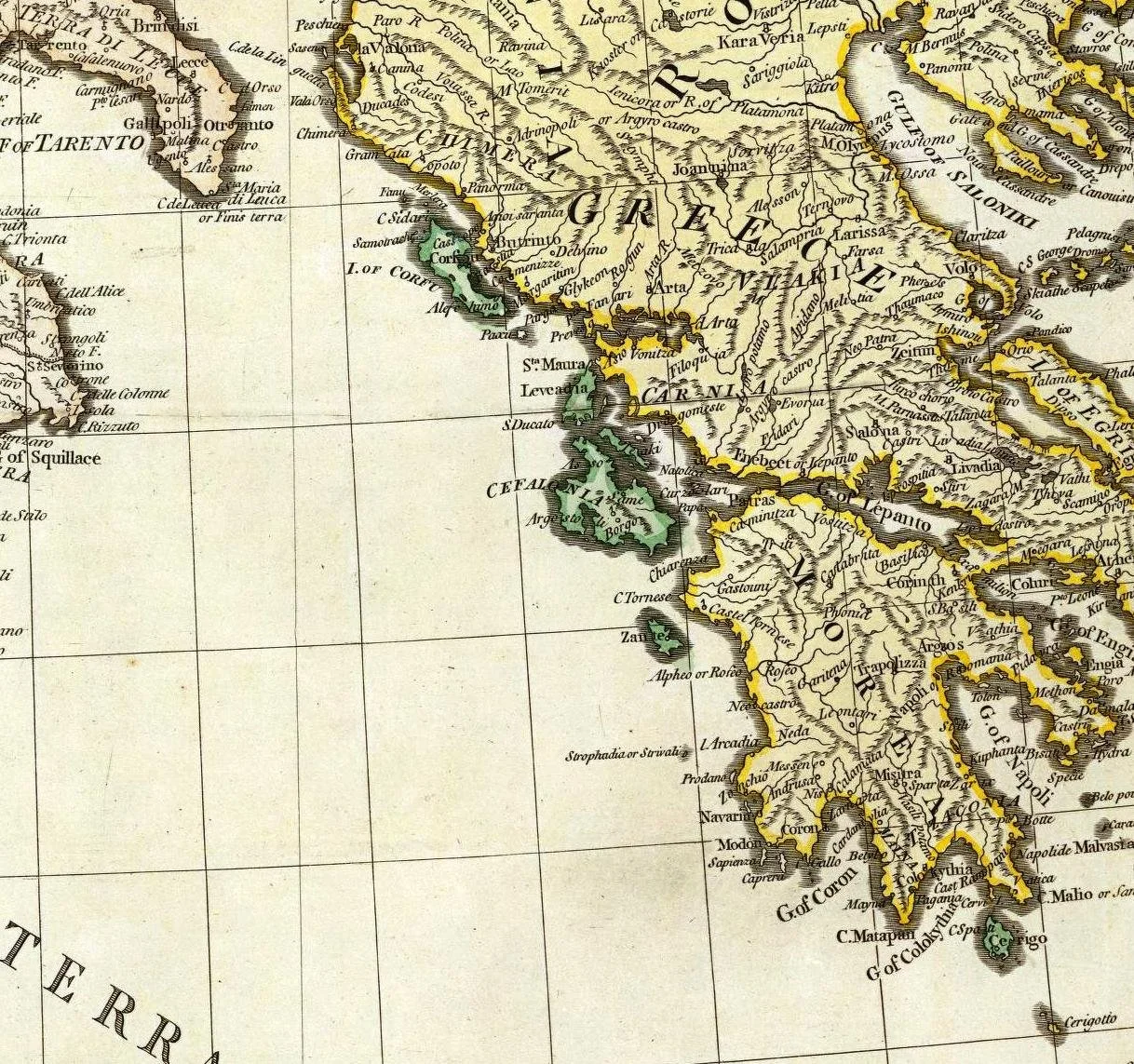
Methana is a volcanic peninsula in the northeastern Peloponnese, extending into the Saronic Gulf. Its rugged terrain, volcanic formations, and thermal-water history make it an important location for studying the geological processes that have shaped parts of southern Greece.
The broader region belongs to the active tectonic environment of the southern Aegean, where interactions between the African and Eurasian plates have contributed to volcanism, earthquakes, and geothermal activity.
The title Geothermal Vents Off Methana Volcanic Shores suggests the presence of hot-water or gas emissions beneath the sea near the peninsula. Such features are geologically possible in volcanic environments, but specific offshore vents must be verified through marine surveys and scientific measurements.
Methana's Volcanic History
Methana contains numerous volcanic structures and lava formations created by past eruptions. Its volcanic history reflects the broader geological processes affecting the southern Aegean.
Volcanic rocks preserve evidence of eruptions, magma movement, and changes in the chemical composition of molten material. By examining these rocks, geologists can reconstruct aspects of the peninsula's geological development.
Methana is not identical to every other volcanic center in Greece. Each volcanic area has its own history, magma characteristics, and patterns of activity.
What Is Geothermal Activity?
Geothermal activity occurs when heat from within the Earth warms surrounding rock, groundwater, or gases.
In volcanic regions, heat may remain in the crust long after an eruption. Groundwater can circulate through fractures, absorb heat, and return to the surface as a hot spring or steam-rich emission.
In some locations, gases escape directly through cracks in the ground or underwater sediments.
The presence of geothermal activity does not necessarily mean that a volcano is about to erupt. Heat and gas movement can continue under conditions that are not associated with an imminent eruption.
Underwater Vents
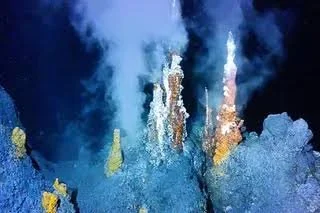
Submarine geothermal vents occur when heated water or gases emerge from the seafloor. They may be associated with volcanic rocks, fractures, or other pathways that allow fluids to circulate.
Their temperature and chemical composition vary considerably. Some emissions are only modestly warmer than the surrounding water, while others can be much hotter.
Scientists distinguish geothermal vents from hydrothermal systems associated with deep-ocean spreading centers, which can have different geological settings and chemistry.
A specific claim about offshore Methana vents requires direct evidence rather than an assumption based on the peninsula's volcanic origin.
How Marine Scientists Investigate Vents
Researchers can investigate suspected underwater geothermal features using sonar mapping, remotely operated vehicles, temperature sensors, water sampling, and chemical analysis.
Changes in temperature may identify possible warm-water emissions. Chemical measurements can reveal dissolved gases or minerals associated with geothermal fluids.
Seafloor imagery may show altered sediments, mineral deposits, or gas bubbles.
Each observation requires interpretation because underwater bubbles can originate from several processes, including biological activity, decomposition, or ordinary geological gas release.
The Chemistry of Geothermal Water
Geothermal water can contain dissolved minerals and gases acquired during its movement through rocks.
Its chemistry depends on temperature, pressure, the surrounding geology, and the amount of time water remains underground.
Some geothermal waters contain elevated concentrations of certain elements. Others are relatively dilute.
Scientists examine these chemical signatures to understand the source of the fluids and the pathways through which they travel.
Marine Ecosystems and Local Impacts
Geothermal emissions can influence nearby marine environments by altering temperature, pH, and chemical composition.
In some settings, microorganisms adapted to unusual conditions may flourish around emissions. In other settings, high temperatures or concentrations of particular substances may limit biological activity.
The impact depends on the scale of the emission, the surrounding currents, and the sensitivity of local organisms.
Researchers must therefore study both geological processes and ecological effects.
Methana and the Wider Aegean Volcanic Region
Methana is part of a wider volcanic environment that includes other volcanic centers in the southern Aegean. These locations demonstrate that Greece's geological history is closely linked to tectonic processes.
However, similarities between volcanic regions do not mean that every feature found at one site exists at another. The presence of geothermal systems elsewhere cannot be used as proof of a particular underwater vent near Methana.
Local measurements remain essential.
Safety and Conservation
Geothermal environments can release gases or produce water with unusual temperatures and chemistry. Exploration should be conducted by trained professionals using appropriate equipment.
Marine surveys must also account for protected habitats, navigation, and the risk of disturbing sensitive environments.
Public communication should distinguish routine geothermal activity from signs that might require further geological monitoring.
Conclusion
Methana's volcanic history makes it a compelling location for investigating geothermal processes along the Greek coast. Underwater vents are scientifically plausible in volcanic settings, but their existence and characteristics near Methana must be established through direct marine research. Temperature measurements, chemical analysis, and seafloor mapping can determine whether offshore geothermal emissions occur and how they interact with the surrounding marine ecosystem.