Introduction
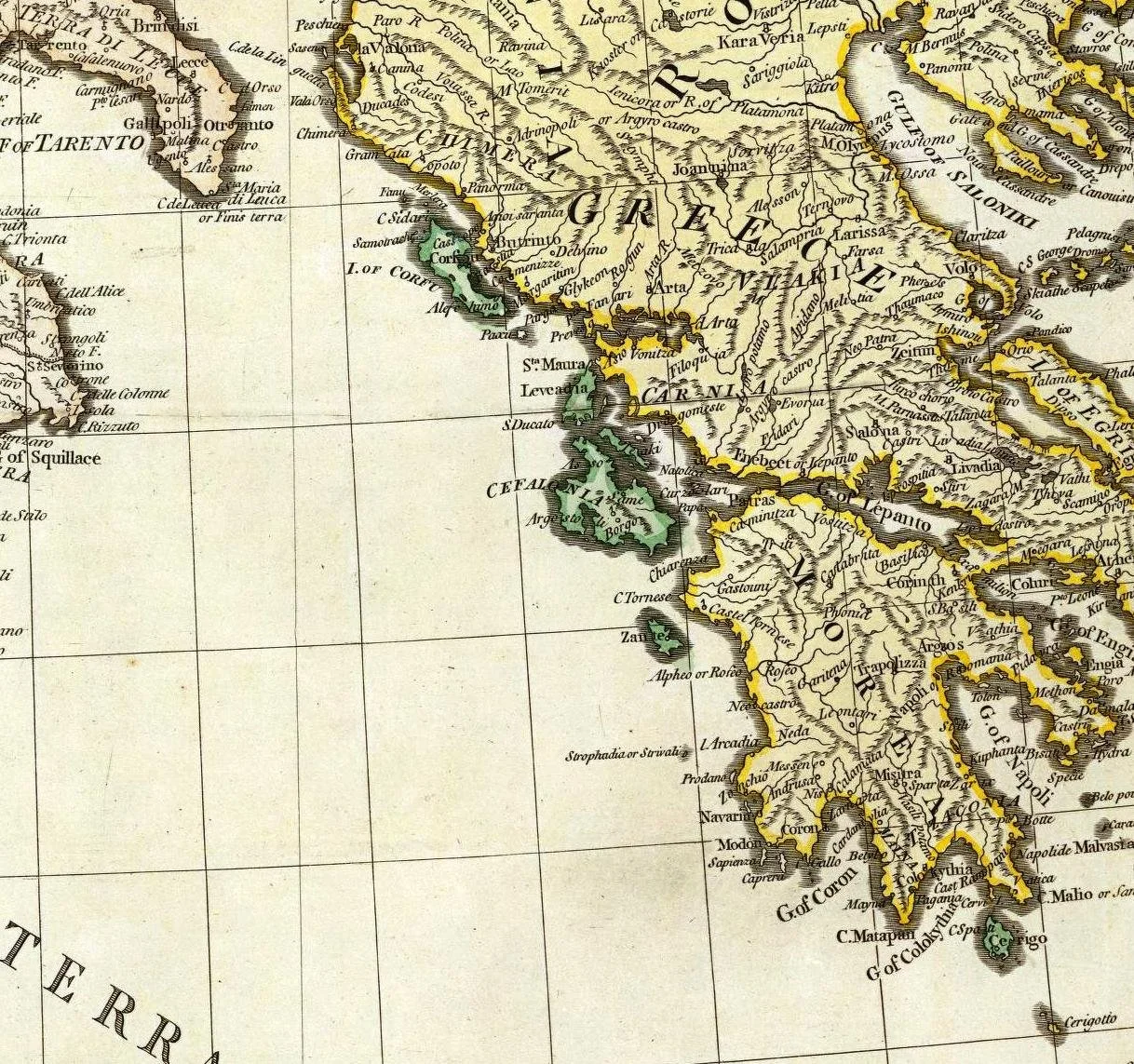
The Mani Peninsula in southern Greece is known for its rugged landscape, stone-built settlements, distinctive architecture, and rich oral traditions. Its villages and mountain communities developed cultural practices shaped by local ecology, kinship, religion, and historical experiences.
The Mycenaean civilization, which flourished during the Late Bronze Age, left extensive evidence of palaces, settlements, pottery, trade, religious practices, and administrative systems. Plants were important to Mycenaean economies, providing food, fuel, medicine, fragrance, and materials for ritual activity.
The idea that Mycenaean herbs survive within Mani's curse traditions invites investigation into the relationship between ancient plant knowledge and modern folklore. However, direct continuity across more than three thousand years cannot be assumed simply because herbs and curses appear in both historical and contemporary contexts.
The Mycenaean World
Mycenaean civilization flourished in mainland Greece during the second millennium BCE, particularly between approximately 1600 and 1100 BCE.
Its archaeological record includes fortified centers, palatial complexes, chamber tombs, elaborate pottery, weapons, jewelry, and administrative tablets written in Linear B.
These tablets provide information about palace economies, including agricultural products, livestock, religious offerings, and specialized production.
Although the surviving documents are valuable, they do not provide a complete record of everyday herbal knowledge or the full range of Mycenaean ritual practices.
Plants in Bronze Age Greece
Plants were central to ancient life. Communities depended on cereals, legumes, olives, grapes, fruit trees, and wild vegetation.
Herbs could be used for cooking, fragrance, practical treatments, and ceremonies. However, identifying specific plant uses requires careful evidence.
Archaeobotanical remains may include charred seeds, pollen, wood, and plant residues. Chemical analysis can sometimes identify compounds associated with particular plants.
Written records may mention plant products, but the precise identification of ancient plant names can be difficult.
What Is a Curse Tradition?
A curse is a spoken or written expression intended to bring misfortune, restrict an opponent, or call upon supernatural forces to influence events.
Ancient Mediterranean societies produced written curse tablets, while other forms of harmful or protective speech were transmitted orally.
The Greek archaeological record includes curse tablets from different periods. These objects show that some people used written language within ritual attempts to influence disputes, relationships, competitions, and other situations.
A curse tradition in a modern community, however, may have a completely different historical origin and social meaning.
Herbs and Ritual Practice
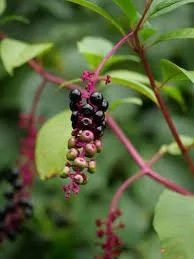
Plants can occupy important positions in ritual because of their fragrance, appearance, medicinal properties, toxicity, or association with particular environments.
A plant may be used for cleansing, protection, healing, remembrance, or symbolic purposes.
Yet a plant's ritual use does not necessarily imply that it was intended to cause harm. The same plant may be associated with different meanings in different contexts.
The presence of herbs in a modern curse story therefore cannot establish a Mycenaean origin.
Mani's Landscape and Oral Tradition
The Mani Peninsula contains mountains, rocky slopes, coastal areas, and settlements with long histories of local independence and distinctive social organization.
Herbal knowledge could be transmitted through household practices, pastoral activities, healing traditions, and interactions with neighboring communities.
Stories about curses may reflect ideas concerning justice, reputation, family conflict, protection, and supernatural consequences.
Such stories can be culturally significant even when their origins cannot be traced to a specific ancient civilization.
How Continuity Could Be Tested
Researchers would need to identify a particular plant, a specific ritual practice, and evidence connecting the two across historical periods.
Potential sources include ancient botanical remains, archaeological deposits, historical medical texts, folklore collections, and oral histories.
Even when a plant species has been used for thousands of years, its purpose may have changed. Continuity of a plant's use is not necessarily continuity of a ritual.
Linguistic evidence may also help, although plant names can change, be borrowed, or refer to different species in different periods.
Avoiding Misinterpretation
Popular accounts sometimes attribute mysterious practices to ancient civilizations because such explanations make modern folklore seem older and more dramatic.
This approach can overlook the genuine creativity of later communities and erase the complex history of cultural exchange.
A responsible study should investigate the origins of each tradition rather than treating every unexplained custom as a surviving Mycenaean secret.
Conclusion
The relationship between Mycenaean plant use and Mani's curse traditions is an intriguing research question involving archaeology, ethnobotany, and folklore. Plants were important in Bronze Age Greece, and later Greek communities developed diverse traditions involving herbs and supernatural beliefs. Nevertheless, a direct link between Mycenaean herbal practices and particular Mani curse traditions requires evidence of transmission. Studying plant remains, historical texts, and oral narratives together can illuminate both ancient plant knowledge and the evolving cultural traditions of the Mani Peninsula.