Introduction
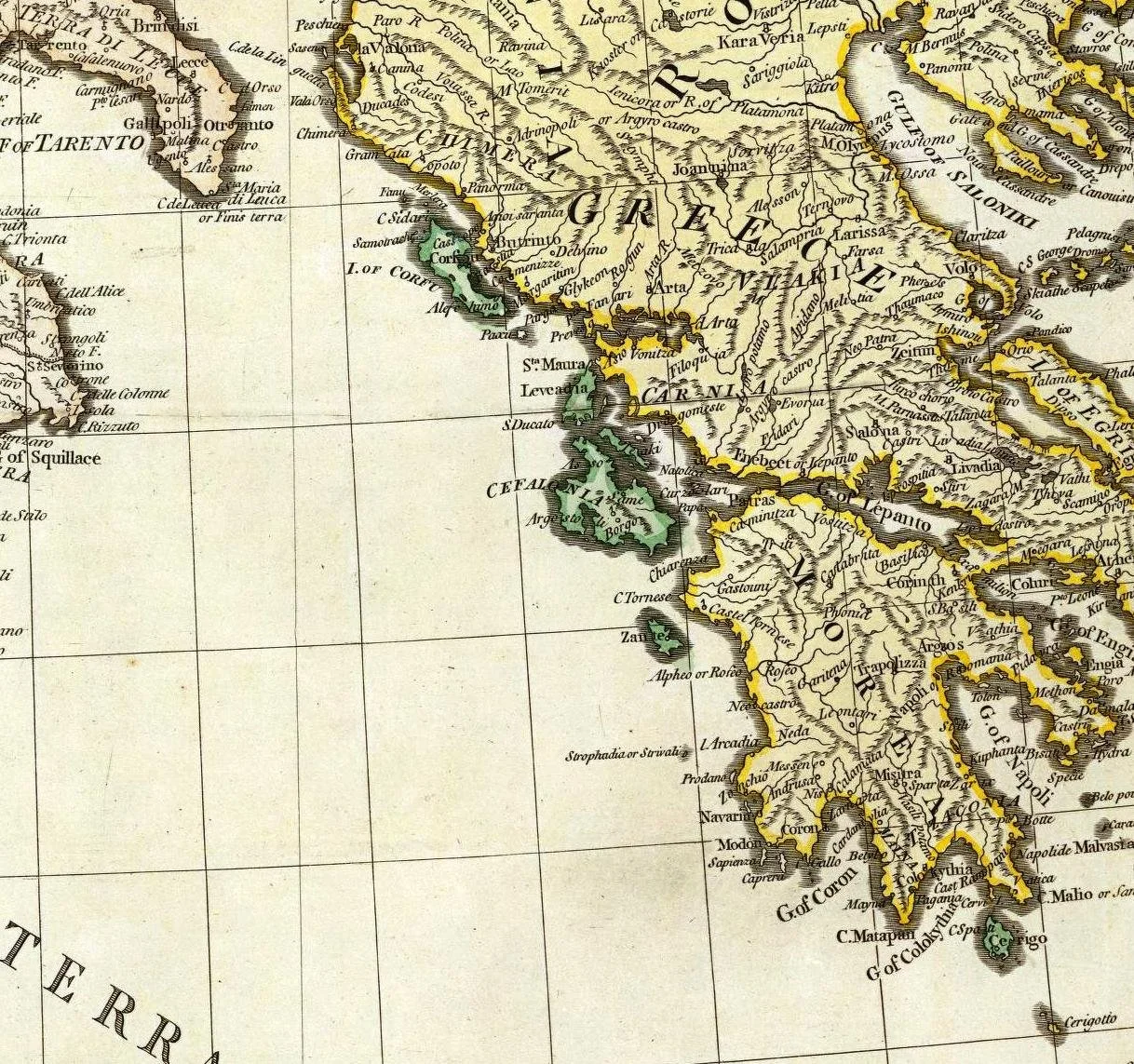
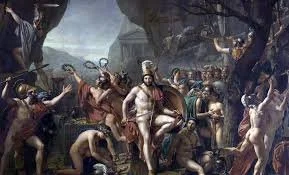
The Taygetus mountain range dominates the landscape west of ancient Sparta. Its ridges, valleys, forests, and passes influenced settlement, agriculture, movement, and military activity in the region. The mountains also became part of the cultural imagination surrounding Sparta, a society famous in ancient literature for its distinctive educational system, civic institutions, and military reputation.
Stories about Spartan maidens and vows in the Taygetus region invite exploration of women's lives, religious practices, coming-of-age traditions, and the role of landscape in local memory.
However, the phrase "maiden vows" should not be treated as evidence of a single documented Spartan institution. Ancient accounts of women's rituals are incomplete, and later traditions sometimes transform historical practices into legends.
Women in Spartan Society
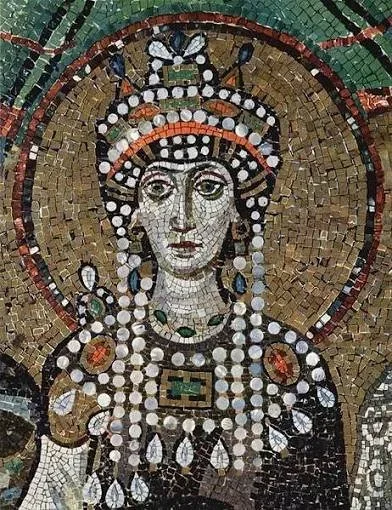
Spartan women occupied a distinctive position within the ancient Greek world. Compared with women in some other Greek communities, Spartan women could receive physical training, inherit property under certain circumstances, and exercise significant economic influence.
Their social roles were connected to the organization of the Spartan state. The ideal of producing healthy future citizens and warriors shaped elite attitudes toward marriage, childbirth, and physical education.
Nevertheless, Spartan women were not socially identical. Their experiences depended on family background, wealth, status, and the broader political circumstances of the city.
Education and Coming-of-Age Traditions
Ancient Sparta organized aspects of youth education through institutions designed to cultivate discipline, civic identity, and collective loyalty.
Boys' education is better documented than the details of girls' experiences, although ancient writers refer to physical training and communal activities involving girls.
Religious festivals could also mark transitions in life. Young women participated in ceremonies honoring deities such as Artemis, whose cults were associated with wilderness, young people, and important life transitions.
The precise meaning of any particular rite must be established through historical sources rather than inferred from the general importance of religion in Spartan society.
Artemis and Ritual Life
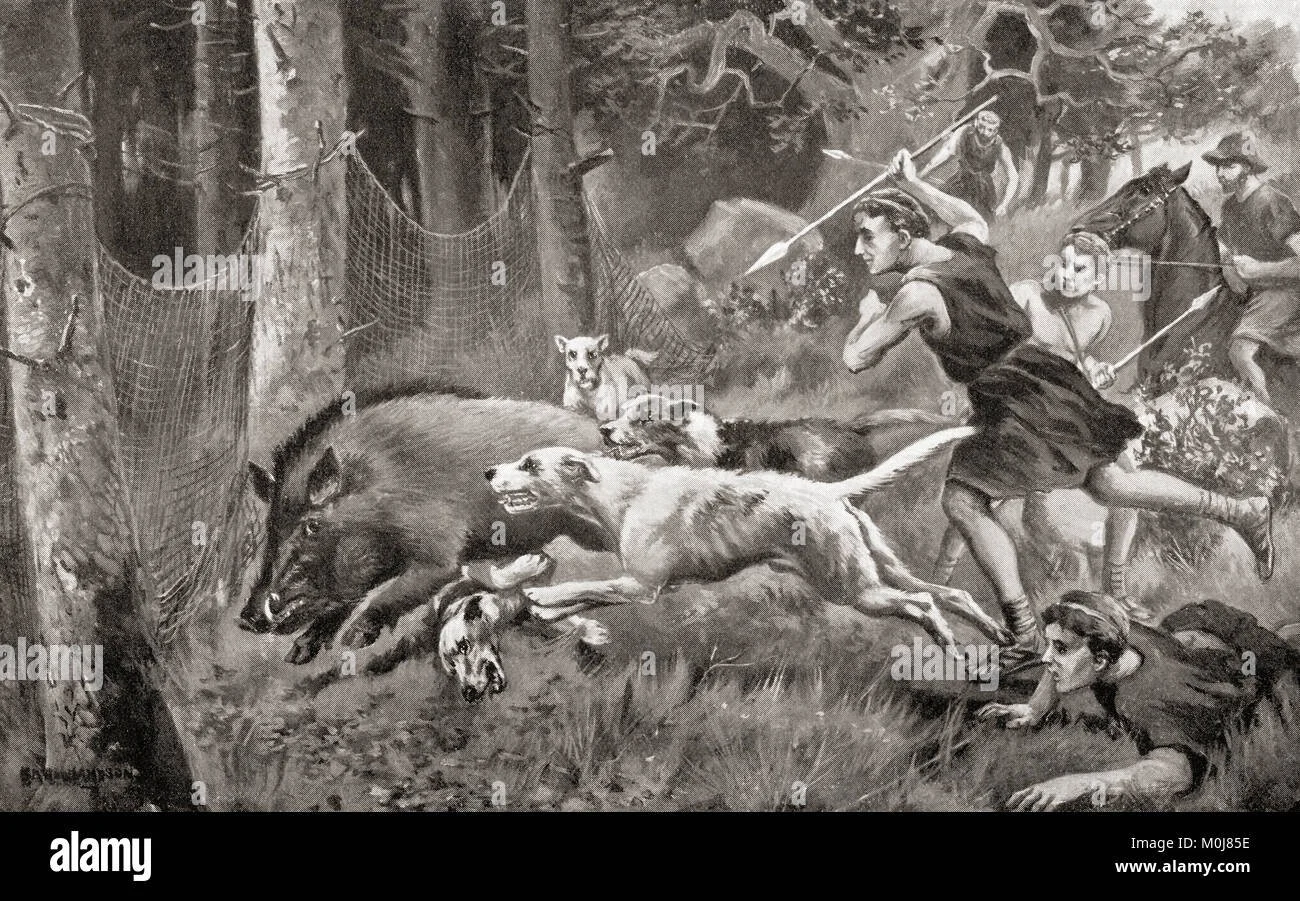
Artemis was a major deity in ancient Greek religion. Her associations included hunting, wild landscapes, protection, and transitions from childhood to adulthood.
Some Spartan-area sanctuaries associated with Artemis became important settings for public rituals. Ancient accounts describe ceremonies that involved young participants and practices whose meanings have been debated by modern scholars.
These traditions demonstrate that youth, gender, and civic identity could be connected through religion.
They do not establish that Spartan maidens routinely made vows in hidden locations throughout the Taygetus Mountains.
The Mountains as Cultural Landscapes
Mountains often acquire symbolic significance because they separate communities, shelter settlements, and provide settings for travel, hunting, pastoralism, and religious activity.
The Taygetus range was part of the physical environment of Sparta and its surrounding communities. Its difficult terrain could inspire stories about danger, isolation, endurance, and extraordinary experiences.
Caves, springs, and remote clearings may have held local significance, but a specific ritual function must be demonstrated through archaeological or documentary evidence.
What Were "Maiden Vows"?
The term could describe a promise associated with marriage, religious devotion, personal transition, or community expectations. Yet these possibilities are not interchangeable.
A vow recorded in a literary account would need to be examined in its historical context. A later folk story might express local values without preserving a literal account of ancient practice.
Researchers should therefore ask who made the vow, to whom it was addressed, what obligation it created, and which source records the event.
Without these details, the phrase remains an interpretive theme rather than a clearly established historical practice.
Women, Family, and Civic Identity
Spartan women contributed to household management, property transmission, family continuity, and the social reproduction of the community.
Religious ceremonies could reinforce these roles, although the extent and nature of women's participation varied.
A balanced historical account should avoid presenting Spartan women either as entirely powerless or as possessing unrestricted freedom. Their position was distinctive but remained shaped by the institutions and expectations of Spartan society.
Archaeological Evidence and Folklore
Archaeology can identify sanctuaries, votive offerings, inscriptions, and other evidence of religious activity. Such findings can help determine which deities were worshipped and how sacred spaces developed.
Folklore research can document stories associated with the Taygetus landscape. Oral accounts may preserve local memories, but their historical value depends on chronology, transmission, and comparison with other evidence.
Neither approach should be used to invent a secret ceremony merely because the landscape appears suitable for one.
Conclusion
Stories of Spartan maiden vows in Taygetus lore offer a compelling way to examine women's lives, religious transitions, and the symbolic power of mountains in ancient Greece. Historical evidence confirms that religion and coming-of-age practices played roles in Spartan society, but a specific tradition of secret maiden vows in Taygetus requires independent verification. By combining ancient texts, sanctuary archaeology, and folklore research, scholars can explore these themes while preserving the distinction between documented practice and later legend.