The Iron Grip of Necessity: Decoding the Mechanics of Fate in Greek Tragedy
In the theater of Dionysus, the ancient Athenians didn't go to the theater to be surprised by "what" happened; they went to be devastated by "how" it happened. Greek tragedy is defined by the tension between human agency and Moira (Fate)—the inescapable, pre-ordained path of a person’s life. To understand the role of fate is to understand the tragic paradox: that a hero’s greatest efforts to avoid their destiny are often the very actions that fulfill it.
1. The Three Faces of Fate
The Greeks personified Fate as the Moirai (The Fates), three sisters who controlled the "thread" of every life, including those of the gods.
Clotho (The Spinner): Spun the thread of life.
Lachesis (The Allotter): Measured the thread, determining its length and quality.
Atropos (The Inflexible): Carried the "abhorred shears" and cut the thread at the moment of death.
In tragedy, Fate is not a random series of events but a cosmic order. When a hero attempts to break this order, they commit Hubris (excessive pride), leading to Nemesis (divine retribution).
2. The Mechanics of the "Tragic Irony"
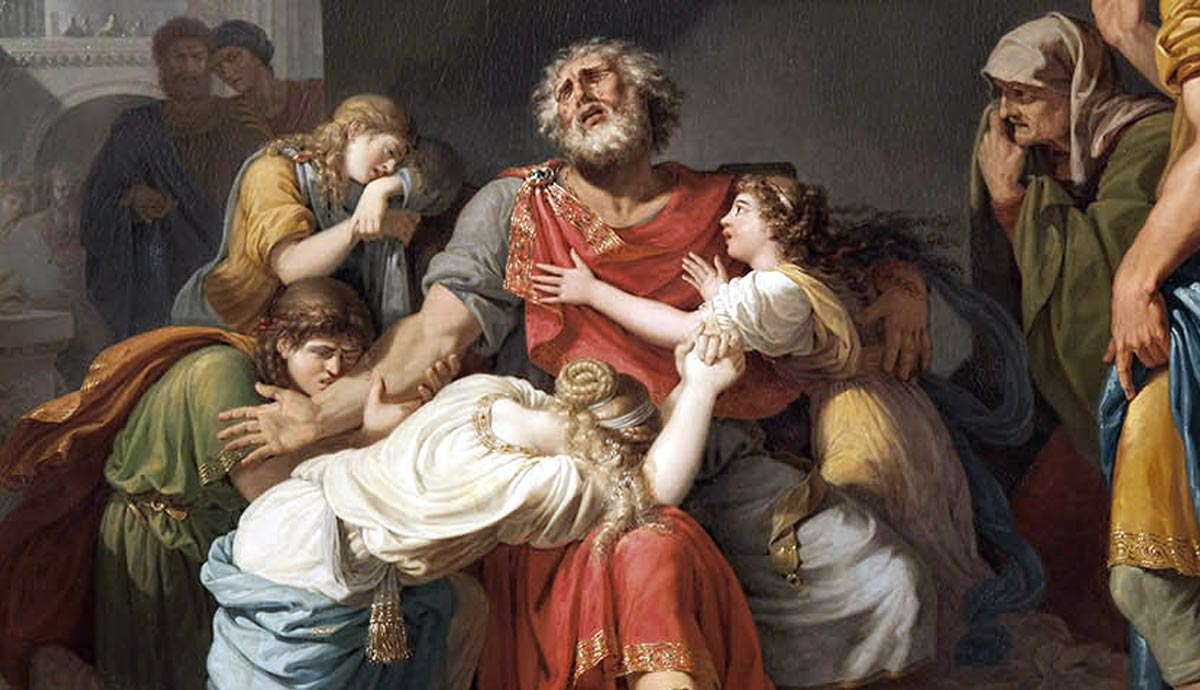
The most sophisticated use of fate appears in the works of Sophocles, particularly in Oedipus Rex. This play serves as the ultimate academic model for Determinisim.
The Oracle as Catalyst
Fate is almost always communicated through an Oracle (usually the Delphic Oracle of Apollo). Crucially, the oracle does not cause the events; it merely reports them. However, by hearing the prophecy, the hero’s subsequent choices are "poisoned" by the attempt to outsmart fate.
Example: Oedipus leaves Corinth to avoid killing his father, only to meet his real father on the road to Thebes. His flight was the mechanical requirement for the prophecy's fulfillment.
3. Fate vs. Free Will: The Internal Conflict
A common misconception is that Greek heroes are merely puppets. On the contrary, tragedy requires Agency. For a fall to be "tragic," the hero must make choices.
The "Double Motivation": In Aeschylus’s Agamemnon, the King is fated to face a terrible choice at Aulis, but he chooses to sacrifice his daughter Iphigenia to further his military ambition.
Character is Destiny: The philosopher Heraclitus famously said, "Ethos anthropoi daimon" (A man’s character is his fate). This suggests that fate isn't just an external force but is driven by the hero's inherent flaws—their Hamartia.
4. The Cosmic Purpose: Restoration of Order
Fate in tragedy is rarely "fair" in the modern sense, but it is always "just" in the cosmic sense. The suffering of the hero serves to restore a balance that was disturbed.
Catharsis: Aristotle argued in his Poetics that watching a hero struggle against an invincible fate produces "pity and fear," leading to a purgation of these emotions in the audience.
The "Justice" of the Gods: Fate ensures that no one, not even the powerful, can escape the consequences of ancestral crimes or personal arrogance.
The Iron Grip of Necessity: Decoding the Mechanics of Fate in Greek TragedyIn the theater of Dionysus, the ancient Athenians didn't go to the theater to be surprised by "what" happened; they went to be devastated by "how" it happened. Greek tragedy is defined by the tension between human agency and Moira (Fate)—the inescapable, pre-ordained path of a person’s life. To understand the role of fate is to understand the tragic paradox: that a hero’s greatest efforts to avoid their destiny are often the very actions that fulfill it.
1. The Three Faces of Fate
The Greeks personified Fate as the Moirai (The Fates), three sisters who controlled the "thread" of every life, including those of the gods.
Clotho (The Spinner): Spun the thread of life.
Lachesis (The Allotter): Measured the thread, determining its length and quality.
Atropos (The Inflexible): Carried the "abhorred shears" and cut the thread at the moment of death.
In tragedy, Fate is not a random series of events but a cosmic order. When a hero attempts to break this order, they commit Hubris (excessive pride), leading to Nemesis (divine retribution).
2. The Mechanics of the "Tragic Irony"
The most sophisticated use of fate appears in the works of Sophocles, particularly in Oedipus Rex. This play serves as the ultimate academic model for Determinisim.
The Oracle as Catalyst
Fate is almost always communicated through an Oracle (usually the Delphic Oracle of Apollo). Crucially, the oracle does not cause the events; it merely reports them. However, by hearing the prophecy, the hero’s subsequent choices are "poisoned" by the attempt to outsmart fate.
Example: Oedipus leaves Corinth to avoid killing his father, only to meet his real father on the road to Thebes. His flight was the mechanical requirement for the prophecy's fulfillment.
3. Fate vs. Free Will: The Internal Conflict
A common misconception is that Greek heroes are merely puppets. On the contrary, tragedy requires Agency. For a fall to be "tragic," the hero must make choices.
The "Double Motivation": In Aeschylus’s Agamemnon, the King is fated to face a terrible choice at Aulis, but he chooses to sacrifice his daughter Iphigenia to further his military ambition.
Character is Destiny: The philosopher Heraclitus famously said, "Ethos anthropoi daimon" (A man’s character is his fate). This suggests that fate isn't just an external force but is driven by the hero's inherent flaws—their Hamartia.
4. The Cosmic Purpose: Restoration of Order
Fate in tragedy is rarely "fair" in the modern sense, but it is always "just" in the cosmic sense. The suffering of the hero serves to restore a balance that was disturbed.
Catharsis: Aristotle argued in his Poetics that watching a hero struggle against an invincible fate produces "pity and fear," leading to a purgation of these emotions in the audience.
The "Justice" of the Gods: Fate ensures that no one, not even the powerful, can escape the consequences of ancestral crimes or personal arrogance.
5. Key Dramatic Concepts Related to Fate
TermMeaningRole in FateHamartiaThe "Tragic Flaw" or error in judgment.The internal trigger that aligns the hero with their fate.AnagnorisisThe moment of "Recognition."When the hero realizes they have fulfilled their fate.PeripeteiaA sudden reversal of fortune.The moment fate "turns" against the hero's expectations.HubrisDefiant pride toward the gods/fate.The moral justification for the hero's eventual downfall.
The Silence of the Gods
In the plays of Euripides, fate becomes more chaotic and less "ordered." He often portrayed the gods as capricious or even cruel, suggesting that fate might just be a name for the senseless cruelty of the universe. This shift marked the end of the Classical era and the beginning of a more skeptical, modern worldview.
Ultimately, the role of fate in Greek tragedy is to remind the audience of human limitation. It humbles the mighty and elevates the suffering of the individual to a level of cosmic significance, proving that while we cannot choose our path, we can choose the dignity with which we walk it toward the end