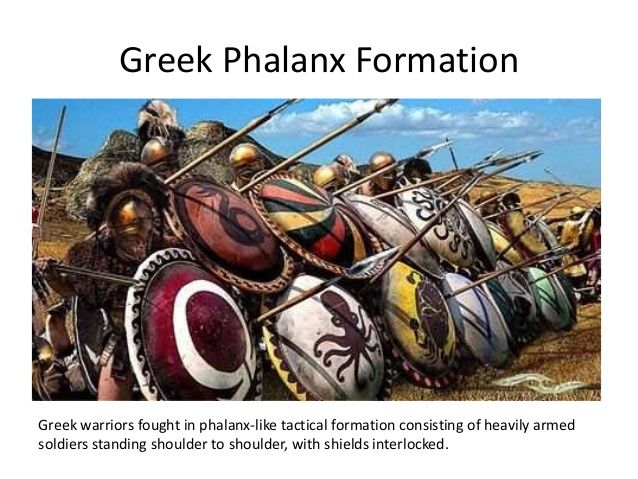
The Phalanx Formation: How Greece Won Its Wars
The phalanx formation was the cornerstone of ancient Greek warfare for centuries. By turning individual citizens into a heavily armored, unified block, Greek city-states—most notably Sparta, Athens, and later Macedon—were able to dominate the battlefield and repel vast empires.
1. The Anatomy of the Phalanx
The phalanx was not just a tactic; it was a cohesive unit of heavy infantry known as hoplites. Its strength lay in the collective defense of the line rather than the individual prowess of the soldier.
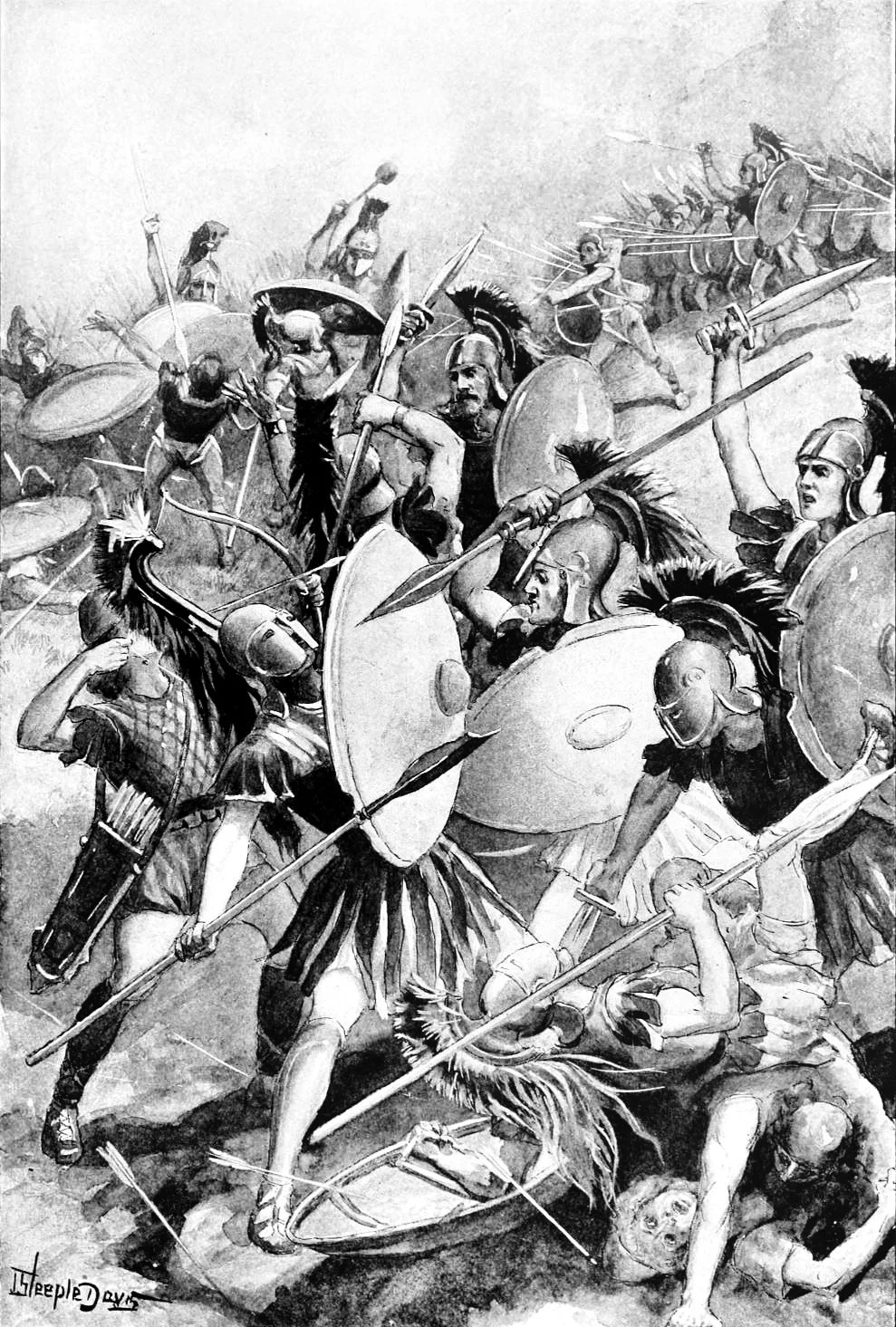
The Hoplite Gear: Each soldier was equipped with a large, heavy, round bronze-faced shield called a hoplon (or aspis), a bronze helmet, a breastplate (cuirass), and greaves.
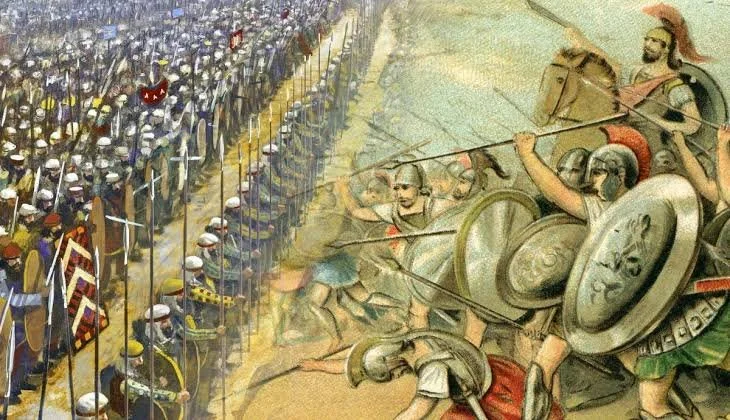
The Interlocking Shield Wall: The line stood shoulder-to-shoulder, overlapping shields to the right. This meant each soldier's shield protected not only his left side but also the right side of the man next to him, creating an unbroken wall of bronze.
The Primary Weapon: Soldiers wielded the dory, a heavy thrusting spear ranging from 2 to 3 meters in length, featuring a bronze spearhead and a bronze spike at the butt end (the sauroter) which could be used if the main point broke.
2. The Push: The Othismos
When two phalanxes collided, the clash was a violent and grueling physical contest known as the othismos (the push).
Forward Pressure: The ranks behind the front line leaned their weight into the shields of their comrades, aiming to physically crush and break the enemy line.
Close Quarters: Once the spears were locked or broken, hoplites would draw their short swords, the xiphos or kopis, to hack at the enemy through gaps in the shield wall.
3. The Evolution: From Hoplite to Sarissa
As Greek warfare evolved, so did the tactics and equipment used within the formation.
The Theban Deep Phalanx: At the Battle of Leuctra (371 BCE), the Theban general Epaminondas defied convention by deepening his phalanx on the left wing to 50 ranks, which allowed them to smash through the elite Spartan right wing.
The Macedonian Phalanx: Philip II of Macedon and his son, Alexander the Great, revolutionized the formation by replacing the short spear with the sarissa—a massive pike between 4 and 6 meters long. With lighter armor and longer reach, the Macedonian phalanx could form an impenetrable wall of spearpoints while maintaining great mobility.
4. Decisive Battles and Tactics
The phalanx was successfully adapted across various terrains and numerical disadvantages.
Marathon (490 BCE): The Athenians thinned their phalanx formation to stretch across the entire Persian line, preventing them from being outflanked. The rapid charge of the line successfully routed the Persian infantry.
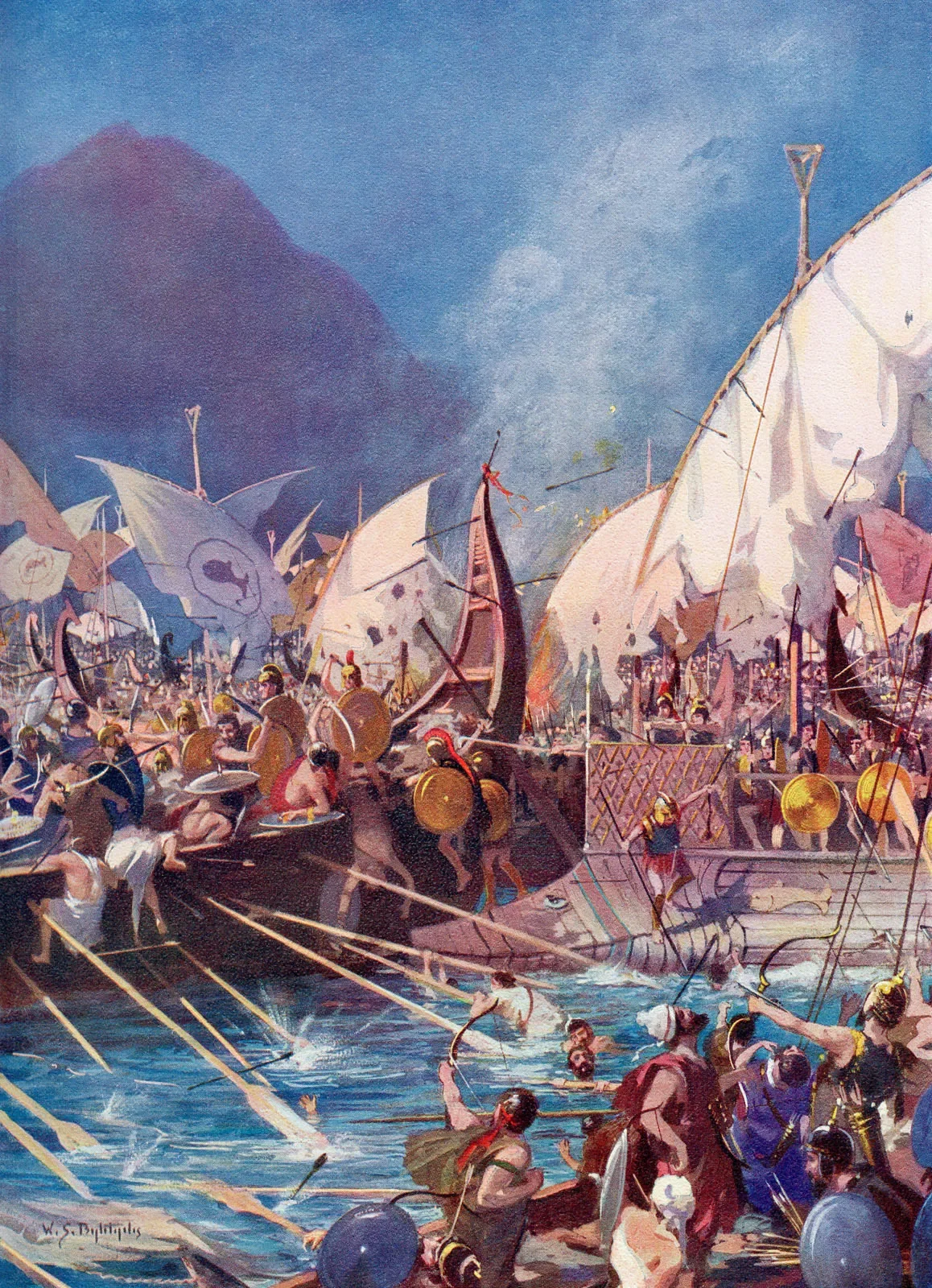
Thermopylae (480 BCE): A small force of Spartans and allied Greeks held off the massive Persian army for three days by utilizing the narrow pass, which negated the Persians' numerical superiority and kept the phalanx wall intact.
5. Limitations and Demise
Despite its dominance, the phalanx had distinct tactical weaknesses that eventually led to its replacement by the Roman legion.
Vulnerable Flanks: The formation was slow and difficult to turn, leaving the flanks and the rear vulnerable to cavalry or light-infantry skirmishers.
Terrain Dependency: On broken, muddy, or hilly terrain, the solid rectangular alignment of the phalanx could develop gaps, destroying its defensive integrity.
The Roman Maneuverability: The flexible, open-spaced Roman maniple system proved superior at the Battle of Pydna (168 BCE). The Romans were able to slip through gaps in the rigid phalanx and attack from the sides.