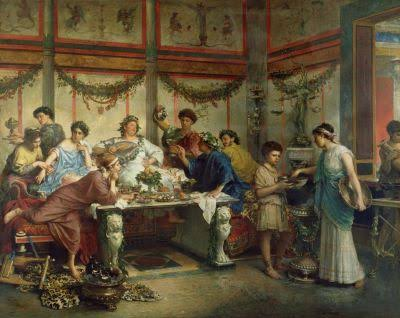
The concept of celebrating an individual's specific birth date annually is largely a modern invention; the ancient Greeks viewed temporal milestones through a communal, religious, and astrological lens rather than focusing on individual birthdays.
The Genethlia: Greeks celebrated a monthly and annual festival called Genethlia, but it was originally dedicated to gods, heroes, or deceased ancestors rather than living individuals. For example, the sixth day of every lunar month was celebrated as the birthday of Artemis, while the seventh belonged to Apollo.
The Birth Day Ritual: When a child was born, the immediate celebration occurred on the fifth or seventh day (the Amphidromia), where the father ran around the domestic hearth carrying the newborn to introduce them to the household gods. On the tenth day (the Dekate), a feast was held, the child was officially named, and sacrifices were made.
Astral Commemoration: For the living, adults occasionally marked their birth month rather than their specific day, honoring their personal Daemon (a protective guiding spirit assigned to them at birth). They would offer simple libations of wine, incense, and round honey cakes lit with small tallow candles—a ritual intended to invoke the light of the moon and stars to appease the spirit for the coming year.