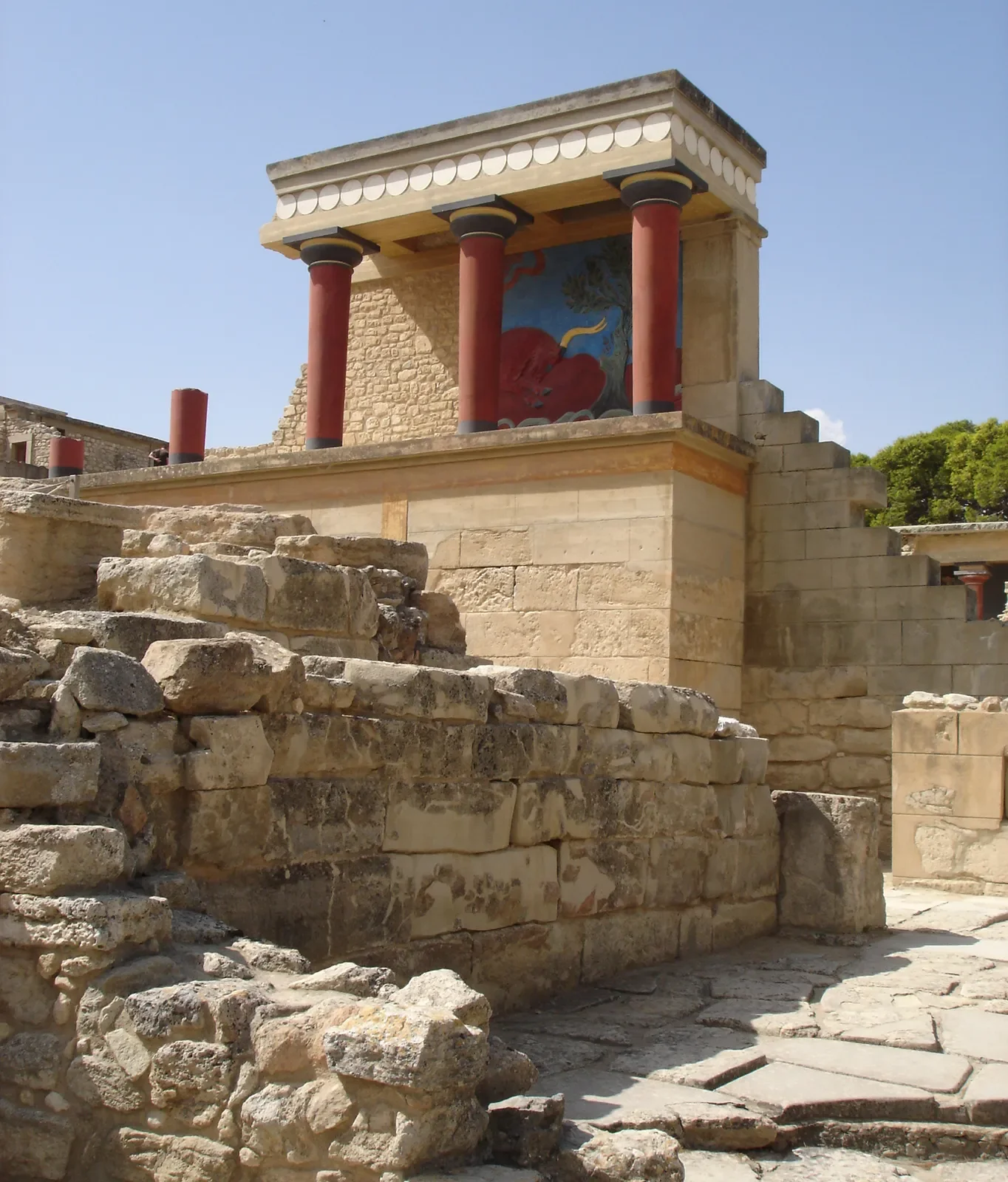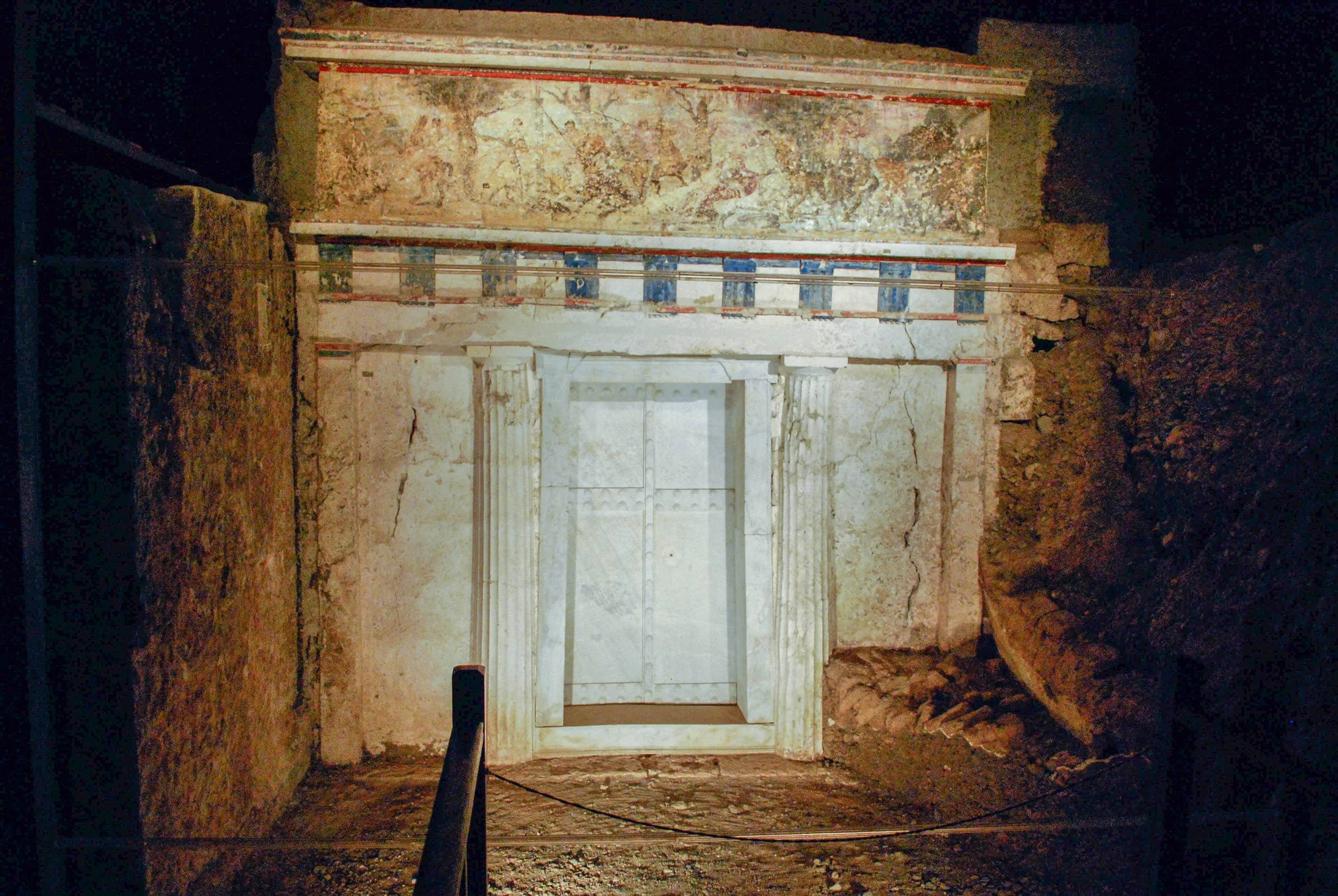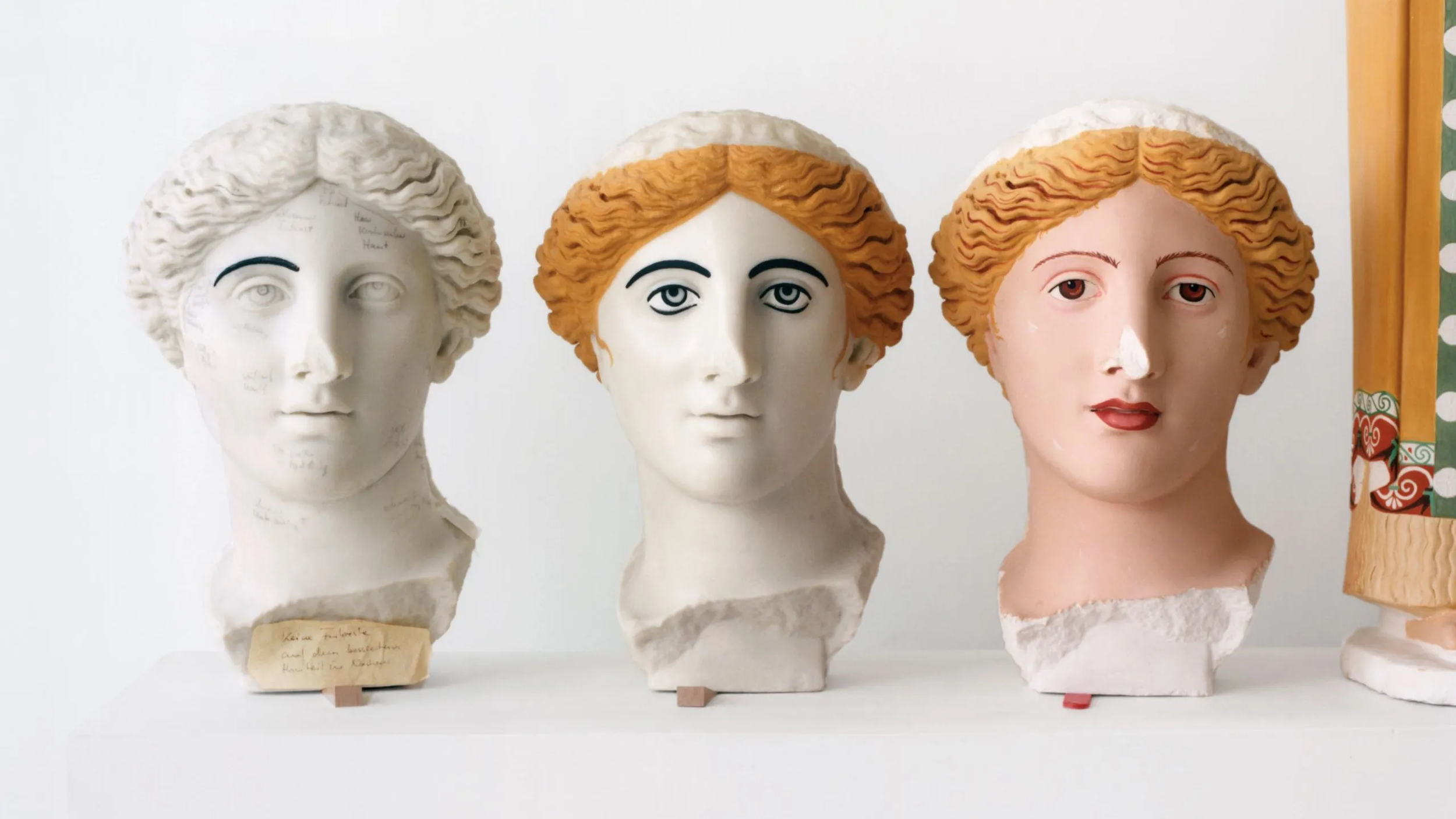
The popular modern image of pristine, blindingly white marble Greek statues is an accidental historical misconception. In reality, ancient Greek public spaces, temples, and cemeteries were filled with a vibrant explosion of color. To the Greeks, an unpainted statue was considered incomplete and visually dead.
The Encaustic Method: Achieving long-lasting color on stone required a sophisticated technique called encaustic painting. Artists mixed finely ground mineral pigments with liquid beeswax and a stabilizing resin. This hot, tinted wax mixture was applied directly to the porous marble using brushes and heated metal spatulas, burning the color into the stone to seal it against wind and rain.
The Ancient Palette: Painters sourced pigments from across the Mediterranean. Whites came from chalk or lead; blacks from charred bones or vine charcoal; reds from iron-rich ochres or toxic cinnabar; and blues from expensive imported azurite or synthetic "Egyptian blue."
The Finishing Polish: Once the paint cured, the statue underwent ganosis—a final buffing process where a mixture of clean wax and oil was rubbed over the marble to create a translucent, flesh-like sheen, making the brightly colored eyes, patterns, and hair appear startlingly lifelike.