• Home page/Blog
    • Ancient Greece
    • Archaeology
    • Mythology
    • Architecture
    • Artefact
    • Inventions
    • Tourism
    • News
    • Science
    • General
    • Weird
    • Recipes
    • Blog
  • About
  • Contact
Menu

GHD

  • Home page/Blog
  • History
    • Ancient Greece
    • Archaeology
    • Mythology
  • Art
    • Architecture
    • Artefact
    • Inventions
  • Travel
    • Tourism
  • Other
    • News
    • Science
    • General
    • Weird
    • Recipes
    • Blog
  • About
  • Contact
No results found

The Art of Mural Painting in Greek Homes

July 1, 2026

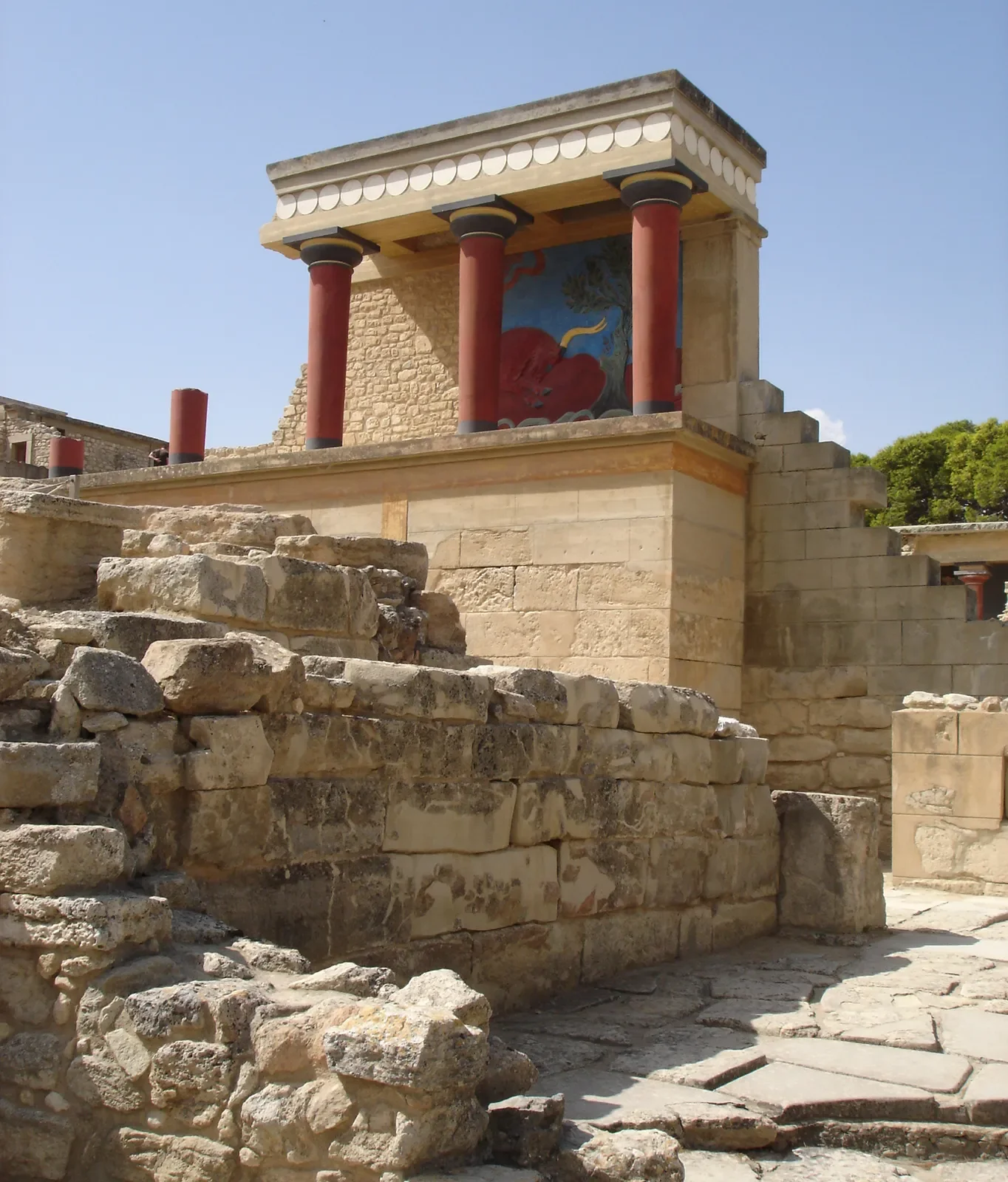
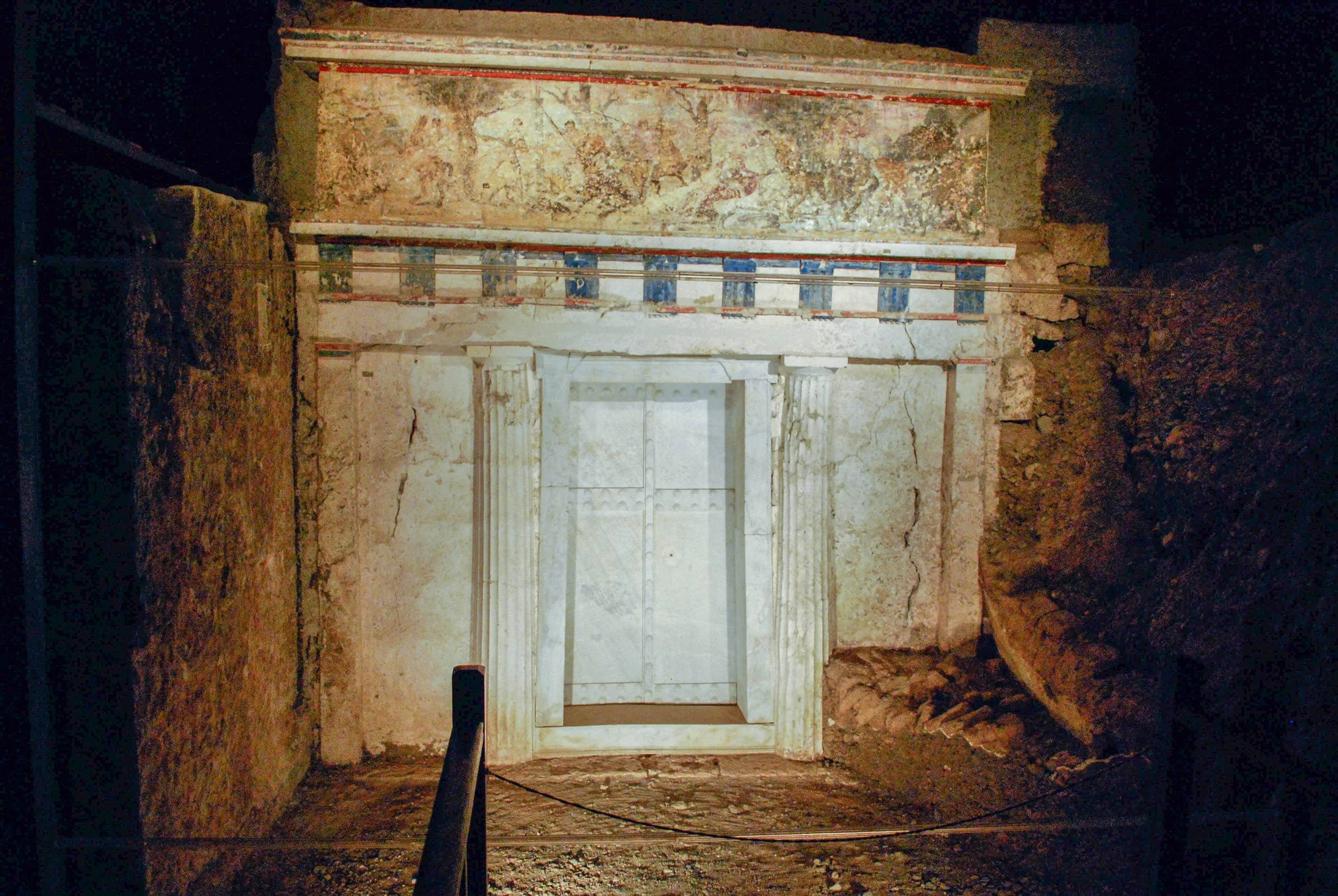
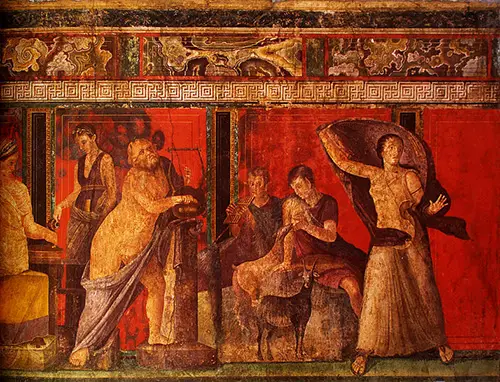
While grand public temples boasted monumental frescoes, private homes—particularly the domestic spaces of the wealthy upper class—featured internal wall decorations that evolved dramatically over time, laying the groundwork for later Roman styles.

  • The Masonry Style: In Classical and early Hellenistic homes, interior walls were finished with high-quality stucco plaster. Instead of painting complex narrative scenes, artists utilized the "Masonry Style." They molded and painted the plaster to mimic expensive, high-status architectural features, such as structural stone blocks, marble paneling, and projecting cornices.

  • Zoning the Oikos: Mural decoration was concentrated in the andron (the formal dining room where men held drinking parties, or symposia). The walls were typically divided into three distinct horizontal zones: a dark, solid plinth or base (often painted deep red or black), a main central zone painted to look like ashlar masonry blocks, and a delicate upper decorative frieze.

  • Fresco vs. Secco: Painters worked primarily in buon fresco (applying water-based pigments directly onto wet, fresh lime plaster so the paint chemically fuses with the wall) and accented their work with secco (painting details onto dry plaster using an organic binder like egg or glue). These vibrant walls protected the soft mud-brick architecture while providing a dramatic backdrop for political and philosophical debates.
← The Role of Hair and Hairstyles in Greek SocietyHow Ancient Greeks Painted Their Statues →
Featured
image_2026-06-30_224103383.png
July 1, 2026
The Importance of Beekeeping in Ancient Greece
July 1, 2026
July 1, 2026
image_2026-06-30_224034896.png
July 1, 2026
How Ancient Greeks Created Their Writing Tools
July 1, 2026
July 1, 2026
image_2026-06-30_224001183.png
July 1, 2026
The Significance of Olive Oil in Greek Beauty Treatments
July 1, 2026
July 1, 2026
image_2026-06-30_223932557.png
July 1, 2026
How Ancient Greeks Celebrated Birthdays and Anniversaries
July 1, 2026
July 1, 2026
image_2026-06-30_223900363.png
July 1, 2026
The Role of Hair and Hairstyles in Greek Society
July 1, 2026
July 1, 2026
image_2026-06-30_223836723.png
July 1, 2026
The Art of Mural Painting in Greek Homes
July 1, 2026
July 1, 2026
image_2026-06-30_223801510.png
July 1, 2026
How Ancient Greeks Painted Their Statues
July 1, 2026
July 1, 2026
image_2026-06-30_223727541.png
July 1, 2026
The Role of Chariots in Greek Transportation
July 1, 2026
July 1, 2026
SEE MORE

Powered by ©GreeceHighDefinition / Privacy Policy