Music occupied an important position in ancient Greek thought, not only as entertainment but also as an element of education, religion, philosophy, and ideas about health. Ancient Greeks did not possess modern concepts of neuroscience, psychotherapy, or evidence-based music therapy, yet many Greek thinkers believed that music could influence the emotions, behavior, and condition of the body.
The relationship between music and medicine emerged from the broader Greek belief that harmony and balance were fundamental to a healthy life.
Music and the Greek Idea of Harmony
The Greeks frequently used the concept of harmonia, meaning a fitting together or harmonious arrangement.
This idea extended beyond music.
The human body, the soul, society, and even the cosmos could be understood through concepts of order and proportion.
Music provided a particularly powerful example because musical intervals could be mathematically described.
The philosopher Pythagoras and later Pythagorean thinkers were especially interested in the mathematical relationships underlying musical harmony.
Music and the Soul
Greek philosophers debated how music affected the human character.
Plato, for example, considered music capable of influencing moral development.
Certain musical modes were thought to encourage particular emotional or behavioral qualities.
This meant music was not considered emotionally neutral.
The wrong kind of music could potentially encourage undesirable behavior, while appropriate music could cultivate discipline and moderation.
Apollo and Healing
The relationship between music and medicine was also represented mythologically.
Apollo was associated with music, prophecy, and healing.
His son Asclepius became the central divine figure associated with medicine.
The connection between Apollo's musical identity and healing demonstrates how closely the Greeks could associate artistic and therapeutic domains.
Music at Healing Sanctuaries
Ancient Greek healing sanctuaries, particularly those associated with Asclepius, used religious rituals as part of the healing experience.
Patients could participate in:
prayers;
sacrifices;
purification;
offerings;
and ritual activities.
Music could accompany religious ceremonies and contribute to the emotional environment.
The Emotional Effects of Music
Greek thinkers recognized that music could change emotional states.
Music could encourage:
calmness;
courage;
enthusiasm;
mourning;
religious devotion;
or celebration.
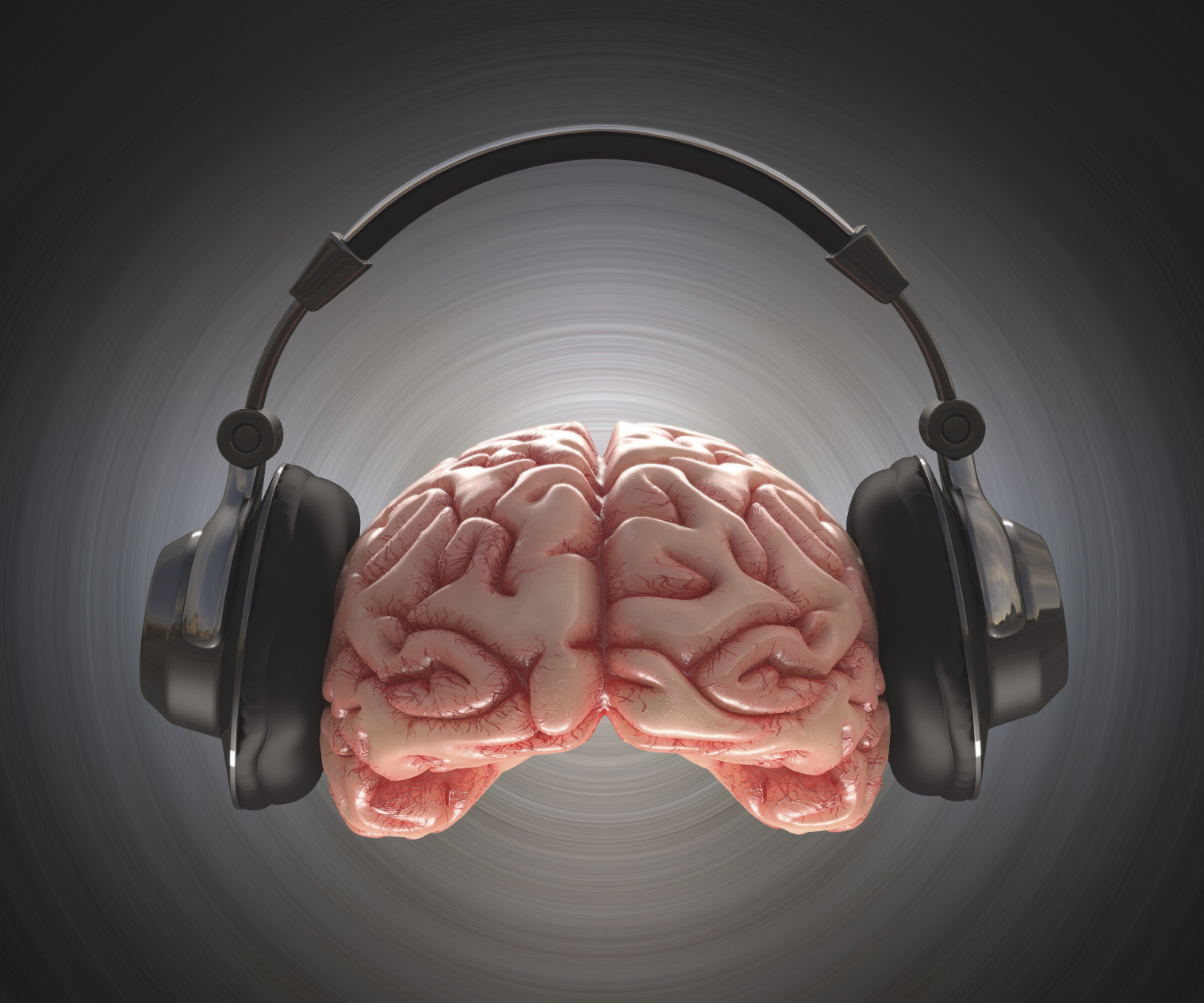
This recognition is remarkably significant because modern music therapy similarly examines how musical experiences can influence emotional and psychological states.
However, the underlying ancient theories were very different from modern medical science.
Music and Physical Illness
Some ancient writers attributed more direct physiological effects to music.
Stories describe music being used to calm people suffering from emotional disturbance or unusual behavior.
The legendary musician Orpheus became the ultimate symbol of music's extraordinary power.
His music could supposedly affect humans, animals, trees, and even stones.
Music in Military Life
Music also helped regulate collective behavior.
Greek armies used instruments such as the aulos during military activities.
Rhythm could help coordinate movement.
This shows that music had practical functions beyond entertainment.
Music in Education
Music was a central component of elite Greek education.
Young people could learn:
singing;
playing instruments;
poetry;
rhythm;
and performance.
Education was believed to shape character, not merely intellectual knowledge.
Music and Mental Well-Being
Although ancient Greeks did not use the modern term “mental health,” they understood emotional disturbance.
Music could help create emotional balance.
This idea appears repeatedly in Greek philosophical discussions of moderation and harmony.
Conclusion
Role of Music in Healing and Medicine reflects a fundamental Greek belief that sound could influence the human person.
Music existed between religion, education, philosophy, medicine, and emotional life.
Although ancient Greek theories cannot be equated with modern music therapy, their recognition that music can influence mood, behavior, and psychological states represents an important chapter in the history of ideas about healing.