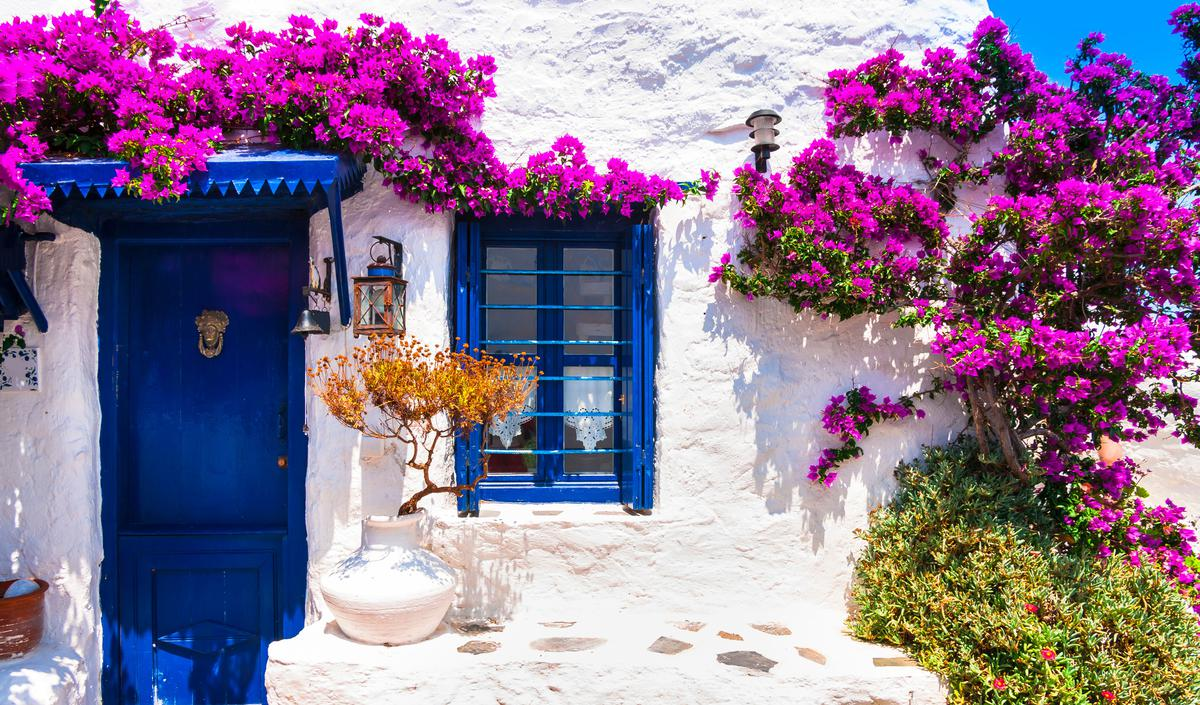
The modern image of ancient Greek architecture often emphasizes white marble.
Yet ancient Greek homes and buildings were not universally white.
Color was an important component of Greek visual culture.
Walls, floors, furniture, pottery, textiles, and architectural elements could all display pigments.
Why Greek Buildings Were Colored
Color served several purposes.
It could:
emphasize architectural details;
create visual richness;
distinguish surfaces;
communicate status;
and enhance religious imagery.
Common Pigments
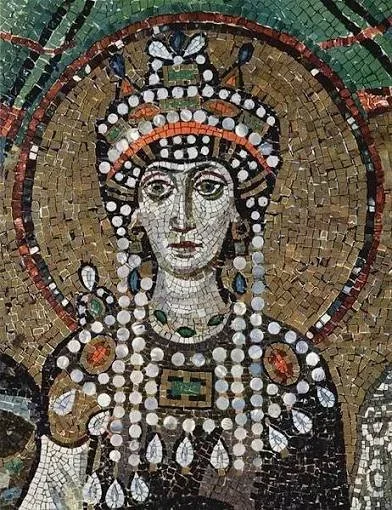
Ancient Greek painters used naturally occurring mineral and earth pigments.
Colors included:
red;
yellow;
black;
white;
blue;
and green.
Red
Red pigments could be produced from iron-rich minerals.
Red was widely used in ancient Mediterranean art.
Yellow
Yellow pigments could come from natural ochres.
They were useful for architectural decoration and painted surfaces.
Blue
Blue pigments were more difficult to produce.
Some ancient Mediterranean cultures used synthetic pigments such as Egyptian blue.
Blue therefore could be relatively valuable.
Black
Black pigments could be produced from carbon-rich materials or minerals.
Black was useful for outlines, details, and contrasting surfaces.
White
White could be produced from materials such as limestone-based substances.
Although marble itself appears white, painted decoration could create additional contrast.
Household Walls
Interior walls could be decorated with painted designs.
These ranged from relatively simple geometric patterns to more elaborate decorative schemes.
Floors
Some Greek homes featured decorative floors.
Mosaics became increasingly important during later periods.
Designs could include:
geometric patterns;
plants;
animals;
mythological figures;
and elaborate borders.
Textiles
Color was not limited to architecture.
Household textiles could also introduce strong colors.
Curtains, blankets, cushions, and clothing could create visual contrast inside homes.
Furniture
Wooden furniture could be painted or decorated.
Chests, beds, stools, and tables could therefore contribute to household color schemes.
Social Status
Colorful and elaborate decoration required resources.
Wealthier households could afford more sophisticated materials and skilled artisans.
Religious Symbolism
Certain colors could acquire symbolic associations, although these should not be treated as a universal Greek color code.
The meaning of a color depended heavily on context.
The Myth of the “Pure White” Greek World
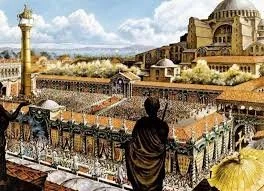
Modern museums and surviving ruins can create the impression that Greek architecture was entirely white.
This is partly because pigments disappeared over centuries.
Weathering, sunlight, rain, erosion, and cleaning removed much of the original paint.
Archaeological Science
Modern techniques can detect traces of ancient pigments.
Microscopic analysis and chemical examination have demonstrated that many sculptures and architectural elements originally possessed painted details.
Conclusion
The Use of Colors in Greek Household Decoration challenges the familiar image of an entirely white ancient Greece.
Greek homes could contain colorful walls, floors, furniture, textiles, and decorative objects.
Color transformed domestic spaces from plain shelters into environments that reflected artistic taste, wealth, identity, and cultural values.
Ancient Greek architecture was therefore often far more visually vibrant than the surviving ruins suggest.