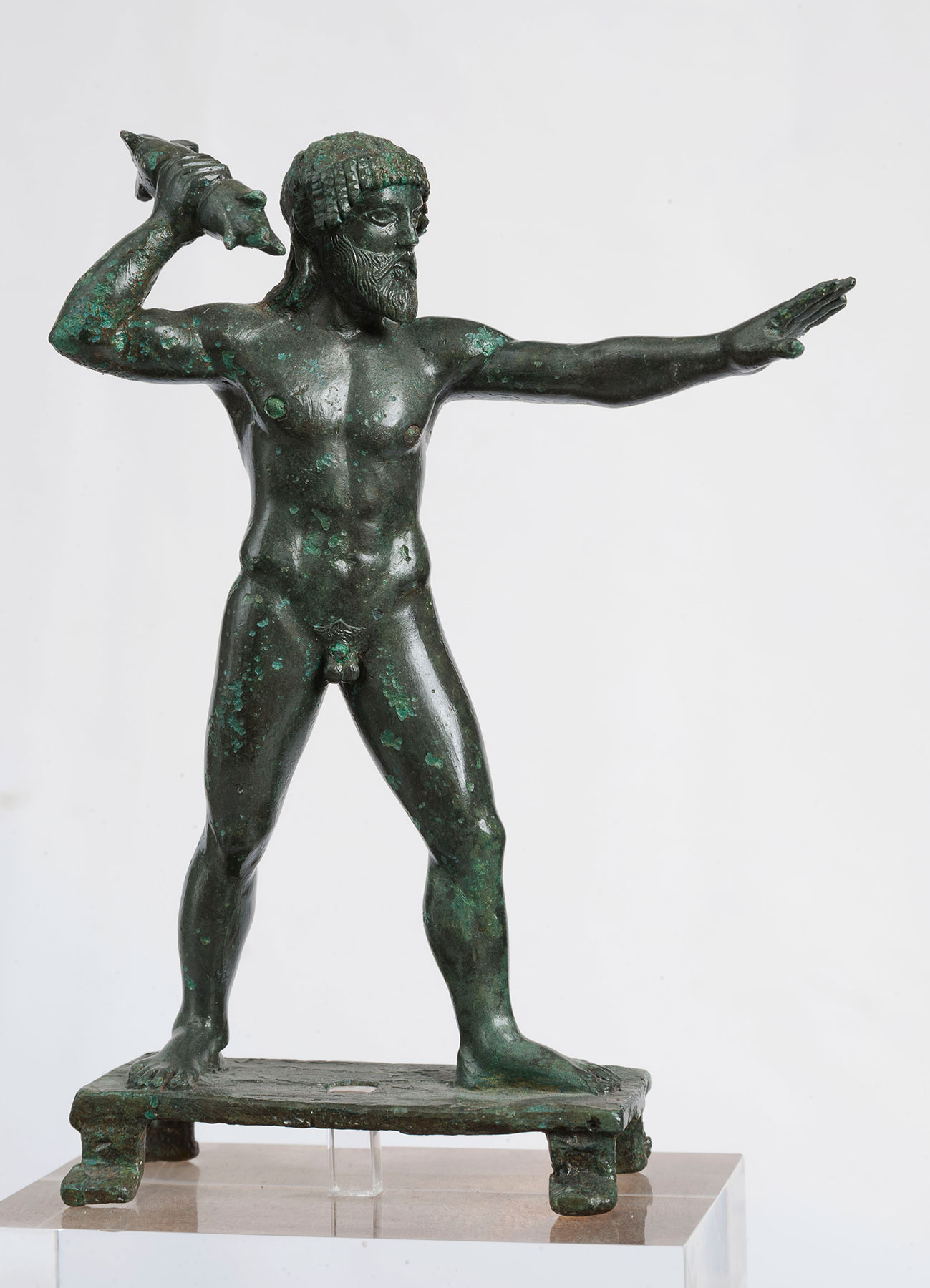
Dodona was one of the oldest and most distinctive sacred sites in ancient Greece.
Located in Epirus in northwestern Greece, it became famous for its oracle associated primarily with Zeus and the sacred oak.
Unlike Delphi, where Apollo's oracle was delivered through the Pythia, Dodona developed a distinctive system of interpreting divine signs associated with the natural environment.
The Sacred Oak
The central religious feature was the sacred oak.
The oak was considered sacred to Zeus.
Priests interpreted sounds and signs associated with the tree and surrounding ritual objects.
Divine Communication
The Greeks believed the gods could communicate through natural phenomena.
At Dodona, signs could involve:
the movement of leaves;
sounds;
birds;
or objects associated with the sacred tree.
The exact practices changed over time.
The Priests
Dodona was served by religious personnel.
Ancient sources mention male priests known as Selloi.
Later, priestesses known as Peleiades were also associated with the sanctuary.
Lead Question Tablets
One of Dodona's most valuable archaeological discoveries is its collection of inscribed lead tablets.
Visitors wrote questions for the oracle.
These questions provide extraordinary evidence of ordinary concerns.
Everyday Questions
People asked about matters such as:
marriage;
health;
travel;
property;
business;
family;
and religious obligations.
This demonstrates that oracles were not consulted only by kings.
Political Questions
Rulers and communities could also seek divine guidance.
Questions concerning war and political decisions demonstrate the oracle's wider importance.
Zeus Naios
Zeus was worshiped at Dodona under the title Zeus Naios.
The sanctuary became one of the most important religious centers in the Greek world.
Dione
The goddess Dione was also associated with Dodona.
The religious traditions of the sanctuary therefore differed from those at other major Zeus sanctuaries.
Theater
A large ancient theater was constructed at Dodona.
Its presence demonstrates the importance of public festivals and performances.
Stadium
The sanctuary also contained an athletic stadium.
Athletic competitions were connected with religious festivals.
Mythological Importance
Dodona appears in ancient literary traditions.
The sanctuary was sometimes presented as extraordinarily ancient.
The Iliad refers to Zeus at Dodona and the sacred oak.
Archaeological Evidence
Excavations have revealed:
temples;
theaters;
inscriptions;
bronze objects;
lead tablets;
coins;
statues;
and ritual artifacts.
Conclusion
Dodona: Zeus’ First Oracle provides an extraordinary example of ancient Greek divination.
Its sacred oak, priests, priestesses, lead tablets, temples, and festivals created a religious environment in which people sought answers from the divine.
The thousands of questions preserved through archaeology make Dodona particularly valuable because they reveal not only elite religious concerns but also the personal worries of ordinary ancient people.