Greek colonization was one of the most significant processes in the development of the ancient Mediterranean.
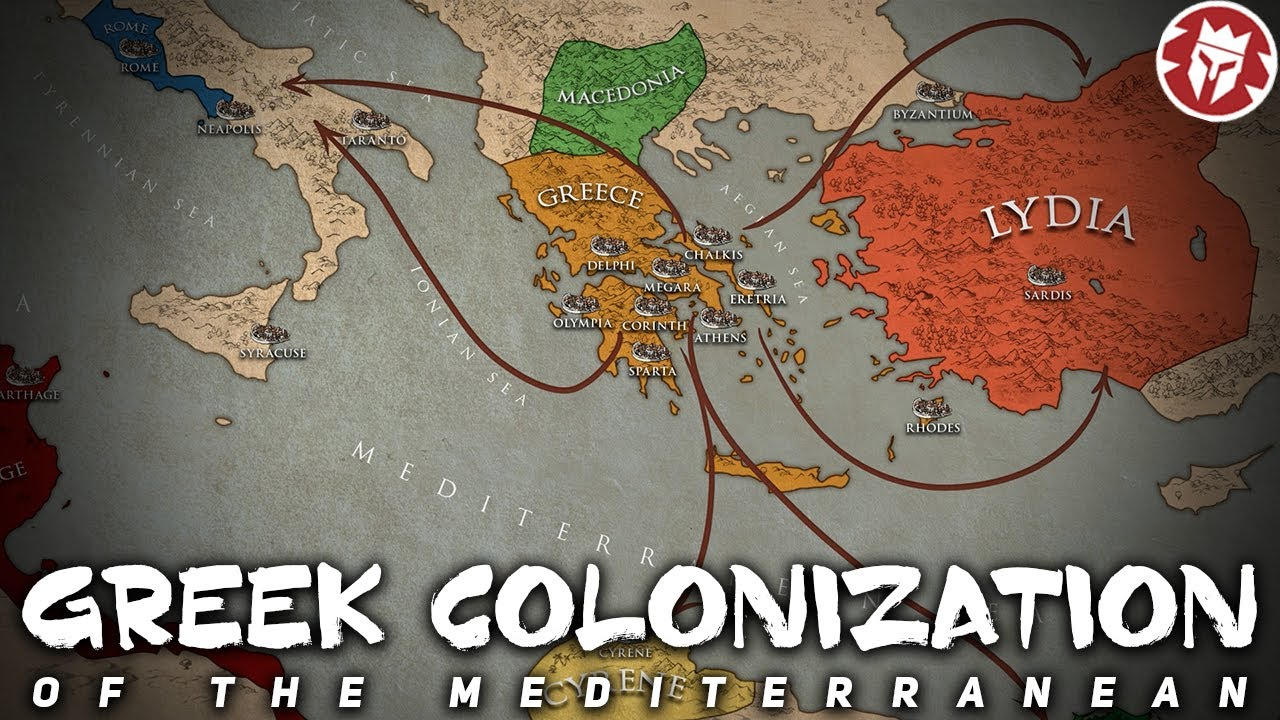
From approximately the eighth century BCE onward, Greek-speaking communities established settlements across regions extending from the Black Sea to southern Italy, Sicily, North Africa, southern France, and parts of the western Mediterranean.
These settlements were not simply outposts of a unified Greek empire. Most became independent communities with their own political institutions, territories, economies, and identities.
Geography played a fundamental role in determining where these communities developed.
Why Geography Mattered
Ancient Greek communities were surrounded by mountains and seas.
The Greek mainland contains relatively limited areas of fertile agricultural land.
At the same time, the surrounding Mediterranean provided extensive maritime routes.
This combination encouraged communities to look outward.
The Mediterranean as a Transportation Network
The sea was not simply a barrier.
For ancient Mediterranean societies, it functioned as a highway.
Ships could transport:
grain;
wine;
olive oil;
metals;
timber;
pottery;
textiles;
and people.
Greek colonists therefore searched for locations that offered access to reliable maritime routes.
Southern Italy and Sicily
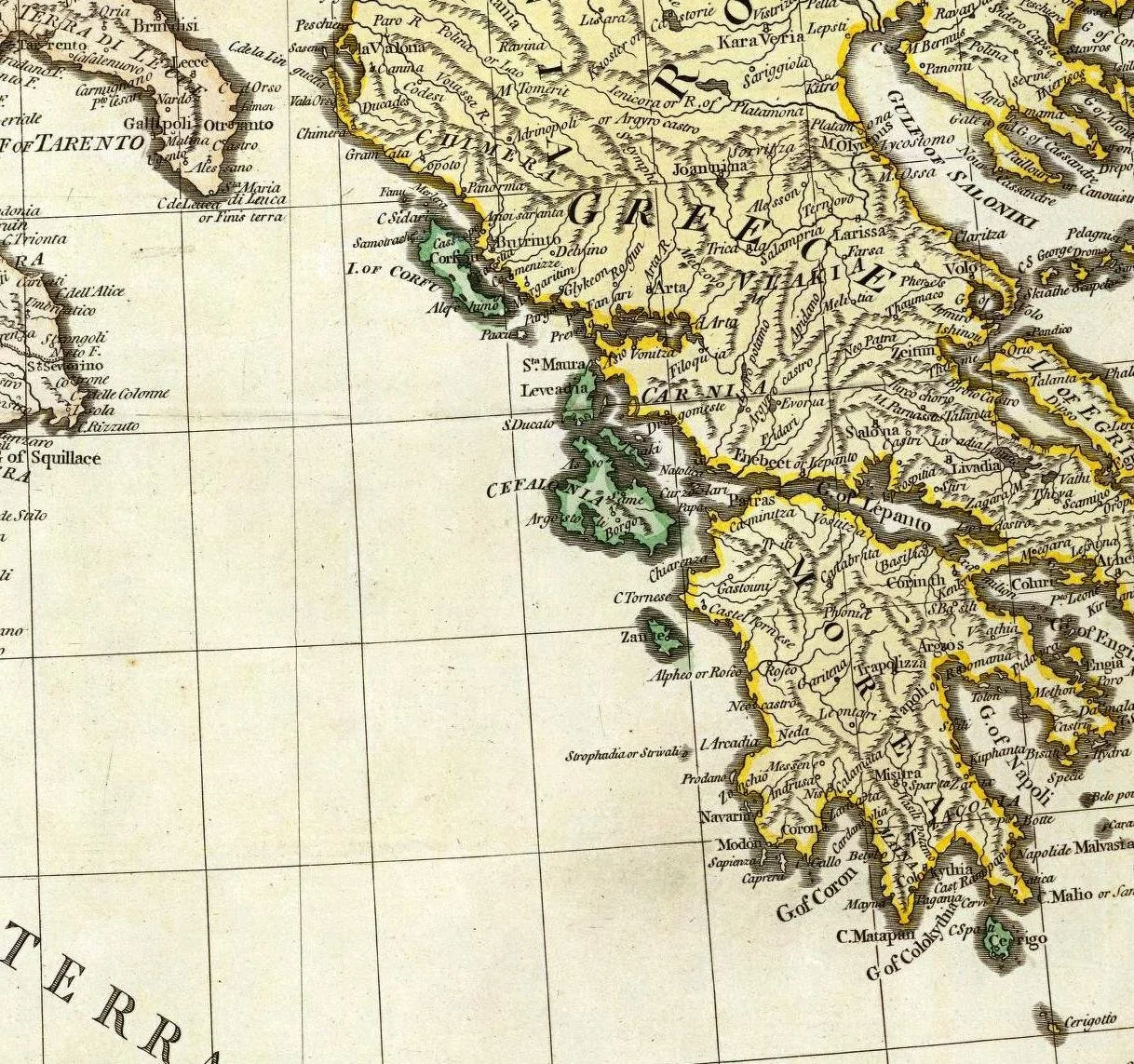
One of the most important regions of Greek settlement was southern Italy and Sicily.
The region became known in antiquity as Magna Graecia, meaning “Great Greece.”
Cities such as:
Syracuse;
Taras;
Croton;
Metapontum;
and Sybaris
developed into prosperous Greek communities.
Agricultural Considerations
Fertile land was extremely important.
Colonists needed territory capable of producing:
grain;
olives;
grapes;
livestock;
and other resources.
This is one reason agricultural plains and river valleys were highly desirable.
Access to Fresh Water
Water was essential.
Settlements required reliable freshwater sources for:
drinking;
agriculture;
livestock;
manufacturing;
and sanitation.
Rivers, springs, and groundwater therefore influenced the selection of settlement locations.
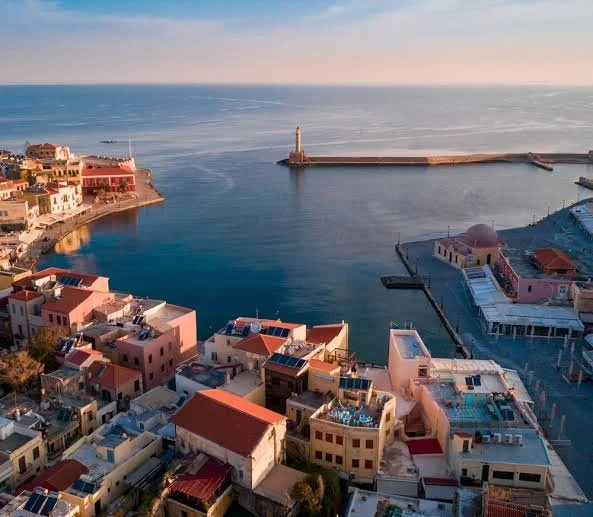
Natural Harbors
A good harbor could determine whether a colony prospered.
Natural bays protected ships from:
storms;
waves;
and strong currents.
They also facilitated commerce and naval activity.
Defensive Geography
Colonists also needed defensible locations.
Promontories, hills, islands, and naturally protected areas could provide military advantages.
The best settlements often combined:
harbor + fertile land + freshwater + defensive terrain.
The Black Sea
Greek colonization extended extensively into the Black Sea.
Settlements developed along the shores of:
modern Turkey;
Bulgaria;
Romania;
Ukraine;
Georgia;
and surrounding regions.
These colonies provided access to agricultural resources, fisheries, timber, metals, and trade networks.
Massalia
Greek colonists from Phocaea established Massalia, modern Marseille, in southern France.
Its location provided access to western Mediterranean trade networks.
Cyrene
In North Africa, Greek settlers founded Cyrene in present-day Libya.
The surrounding highlands provided agricultural opportunities, while the city became an important cultural and intellectual center.
Colonies Were Not All the Same
Greek settlements developed different economic identities.
Some focused heavily on:
agriculture;
mining;
fishing;
maritime commerce;
or regional trade.
Their economies were determined partly by local geography.
Indigenous Peoples
Greek colonization did not occur in an empty landscape.
Indigenous communities already inhabited these regions.
Relationships varied enormously.
They could involve:
trade;
cultural exchange;
intermarriage;
cooperation;
competition;
displacement;
or warfare.
Cultural Exchange
Colonization created extensive cultural interaction.
Greek pottery, architecture, religious practices, writing systems, artistic styles, and political concepts spread widely.
At the same time, Greek settlers adopted practices and materials from the societies they encountered.
Conclusion
The Geography of Greek Colonization demonstrates that ancient settlement expansion was fundamentally shaped by the physical environment.
Greek communities sought locations offering favorable combinations of agricultural land, freshwater, harbors, resources, and defensive terrain.
The resulting network of settlements transformed the Mediterranean into an interconnected cultural and economic world in which Greek and non-Greek communities interacted for centuries.