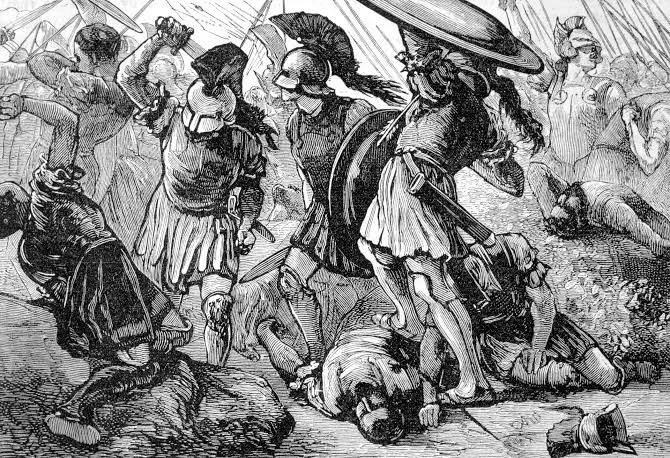
The Battle of Chaeronea in 338 BCE transformed the political structure of the Greek world.
The Macedonian victory over a coalition led by Athens and Thebes demonstrated that the traditional city-state system was no longer capable of resisting Macedonian military power effectively.
The battle marked the beginning of Macedonian dominance over mainland Greece and created the political circumstances that would later allow Alexander the Great to launch his conquest of the Persian Empire.
Macedonia Before Philip II
Macedonia occupied territory north of the traditional Greek city-states.
Its rulers were often viewed by southern Greeks as culturally distinct, although the Macedonian royal dynasty presented itself as Greek and participated in Greek religious and athletic traditions.
Macedonia possessed substantial natural resources.
Its forests supplied timber for ships.
Its agricultural lands supported armies.
Its mineral resources contributed to royal wealth.
Philip II
Philip II became king in 359 BCE.
He inherited a kingdom facing serious external threats.
Philip reorganized Macedonia's military system.
His reforms created one of the most effective armies of the ancient Mediterranean.
The Macedonian Phalanx
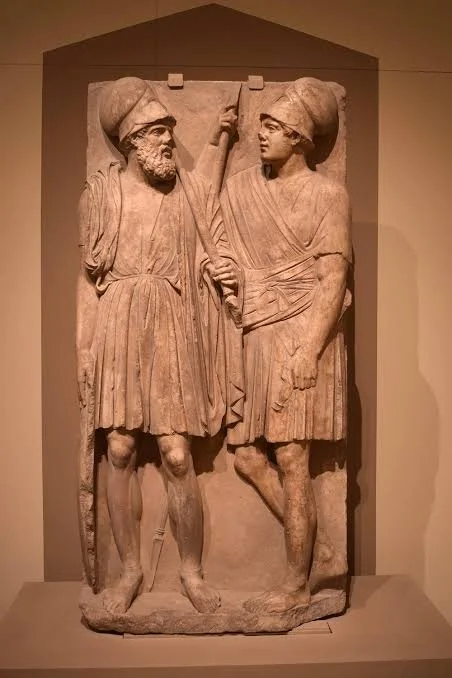
Philip equipped his infantry with the famous sarissa, an exceptionally long spear.
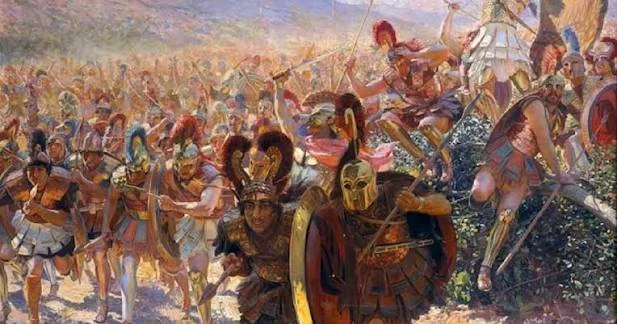
Macedonian infantry fought in dense formations.
The sarissa extended far beyond the shorter spears commonly used by traditional hoplites.
This created a formidable wall of spear points.
Combined Arms
Philip's military genius did not depend solely upon the phalanx.
He developed a combined-arms system involving:
Heavy infantry
Cavalry
Light infantry
Skirmishers
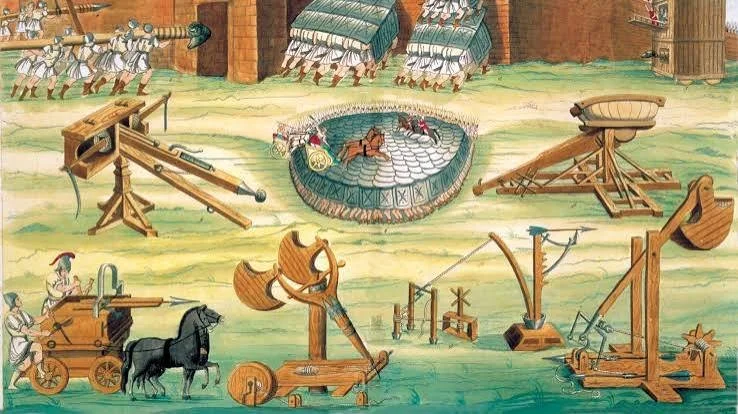
Siege specialists
Macedonian cavalry was particularly important.
The elite Companion Cavalry could deliver powerful attacks against exposed enemy formations.
Philip and Greek Politics
Philip intervened repeatedly in Greek conflicts.
He exploited rivalries between city-states.
Diplomacy and military force worked together.
Some Greek communities viewed him as a useful ally.
Others increasingly regarded Macedonian expansion as a direct threat.
Athens became one of his principal opponents.
Demosthenes
The Athenian politician and orator Demosthenes warned repeatedly about Philip.
His speeches, known as the Philippics, argued that Macedonian expansion threatened Greek independence.
Demosthenes helped persuade Athens to adopt a more aggressive policy toward Macedon.
The Greek Coalition
By 338 BCE, Athens and Thebes formed a coalition against Philip.
The alliance was significant because these two states had previously been rivals.
The threat posed by Macedon temporarily united them.
The Battlefield
Chaeronea was located in Boeotia.
Philip's army confronted the allied Greek forces.
The Macedonian army possessed considerable experience and organizational advantages.
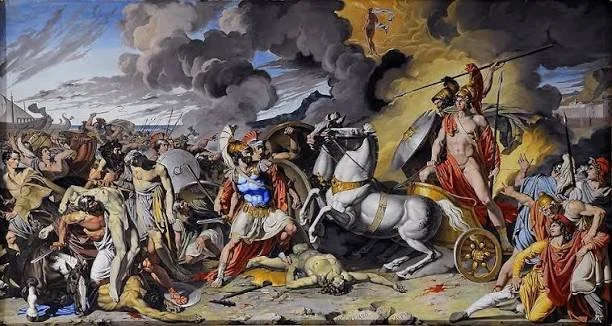
The Battle
The exact sequence remains debated, but Philip appears to have used deliberate maneuvering to disrupt the Greek line.
The Macedonian army eventually broke the coalition's formation.
The Theban Sacred Band was destroyed or suffered devastating losses.
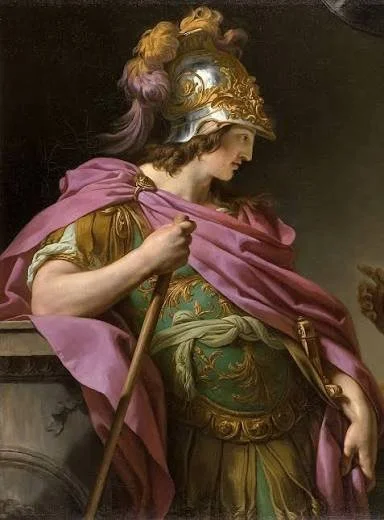
Philip's son Alexander commanded cavalry and played an important role in the battle.
He was only about eighteen years old.
Alexander's Role
Alexander's performance at Chaeronea became an important part of his later reputation.
The battle demonstrated that the young prince was already capable of commanding troops effectively.
Within a few years, Alexander would inherit his father's kingdom and launch the conquest of Persia.
After the Battle
Philip did not simply destroy Athens.
Instead, he negotiated settlements with the defeated states.
He established the League of Corinth.
The alliance placed the Greek states under Macedonian leadership.
The official objective included a future campaign against Persia.
Historical Significance
Chaeronea effectively ended the era in which Athens, Thebes, and other major city-states could independently determine the political future of mainland Greece.
Macedon had become the dominant military power.
The battle therefore represents a major transition:
from the Classical Greek city-state system to the Macedonian-led Hellenistic world.