The ostracon was an ordinary piece of broken pottery that could become an instrument of political power.
In Athens, citizens used fragments of pottery vessels to write the names of individuals they wished to ostracize.
This practice created one of the most unusual political institutions of the ancient world.
What Was an Ostracon?
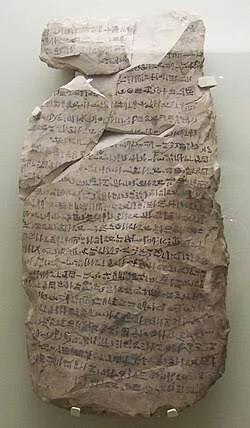
The Greek word ostrakon referred to a pottery fragment.
Broken pottery was abundant in ancient settlements.
Instead of throwing every fragment away, Athenians could reuse pieces as writing surfaces.
An ostracon might contain a person's name scratched or written onto its surface.
Ostracism
Ostracism was a political procedure.
Citizens gathered and voted on whether someone should be ostracized.
If enough citizens participated and the procedure met the required conditions, the individual receiving the greatest number of votes could be exiled.
Not a Criminal Sentence
Ostracism was different from ordinary criminal punishment.
The individual did not necessarily have to commit a crime.
The purpose was primarily political.
Athenians feared that ambitious individuals might become too powerful and threaten the political system.
The Ten-Year Exile
An ostracized person was traditionally required to leave Athens for ten years.
The person generally retained property rights and citizenship.
After the exile period, return was possible.
This makes ostracism different from permanent banishment.
The Ostraka of Archaeology
Archaeologists have discovered large numbers of ostraka.
Some contain famous names.
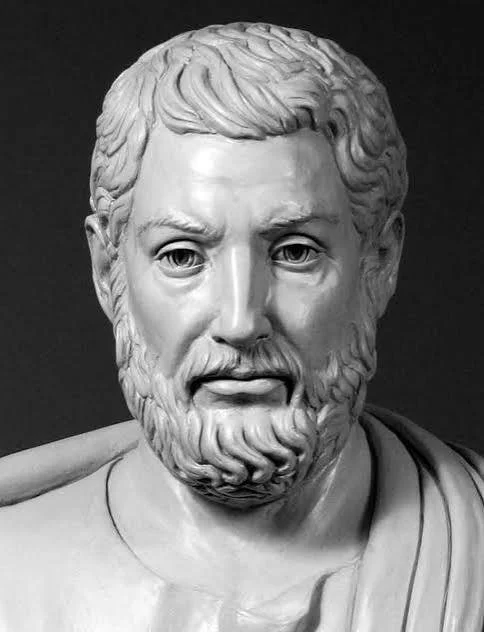
One remarkable example is the discovery of numerous ostraka bearing the name of Themistocles.
These physical objects provide direct evidence of how political participation worked.
Voting in Practice
Citizens would write the name of the person they wanted removed.
The use of pottery fragments made the voting process practical and inexpensive.
The procedure demonstrates how everyday material culture could become part of a sophisticated political institution.
Political Manipulation
Ostracism was not immune to political manipulation.
Ancient sources describe instances in which political groups attempted to influence voting.
One famous anecdote describes an illiterate citizen allegedly asking Themistocles himself to write his name on an ostracon.
The story may have been embellished, but it illustrates the political character of ostracism.
Why It Matters
Ostraka are valuable because they connect political theory with physical archaeological evidence.
They demonstrate that democracy was not simply an abstract concept.
It was implemented through actual objects, procedures, public spaces, and citizen participation.