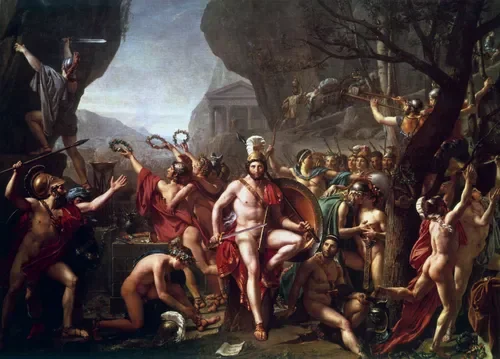
The Battle of Thermopylae in 480 BCE has become one of the most famous military episodes in history.
Popular culture often presents it as a heroic last stand in which 300 Spartans single-handedly confronted an enormous Persian army.
The historical reality was both more complicated and, in many ways, more remarkable.
Hundreds of Greek soldiers from multiple communities participated in the defense.
The battle formed part of a larger strategic campaign against Xerxes' invasion of Greece.
And the famous Spartan contingent was only one component of the Greek force.
Xerxes' Invasion
Persian King Xerxes launched a major invasion of Greece in 480 BCE.
His forces advanced through northern Greece.
The Greek states formed a defensive coalition.
Their strategic challenge was enormous.
Why Thermopylae?
Thermopylae was a narrow coastal passage.
Its geography restricted the number of soldiers who could fight simultaneously.
This was crucial.
The Persian numerical advantage was less useful in a confined space.
The Greek Force
King Leonidas of Sparta commanded the land force.
The defenders included troops from several Greek communities.
The exact numbers changed during the battle.
The famous 300 Spartans were therefore not the entire Greek army.
The First Attacks
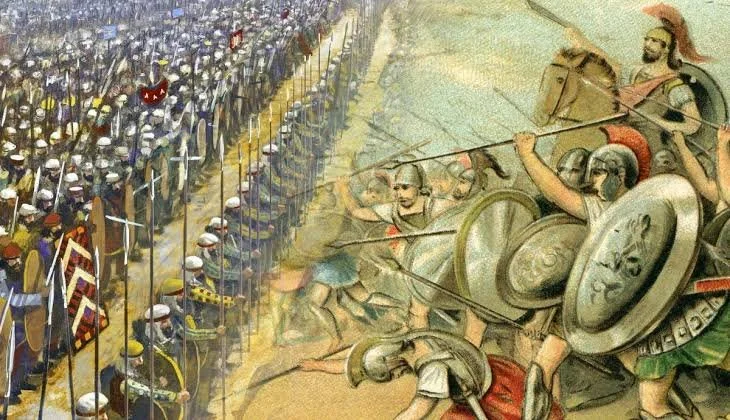
The Persians attacked the Greek position.
The narrow terrain prevented them from using their numerical superiority effectively.
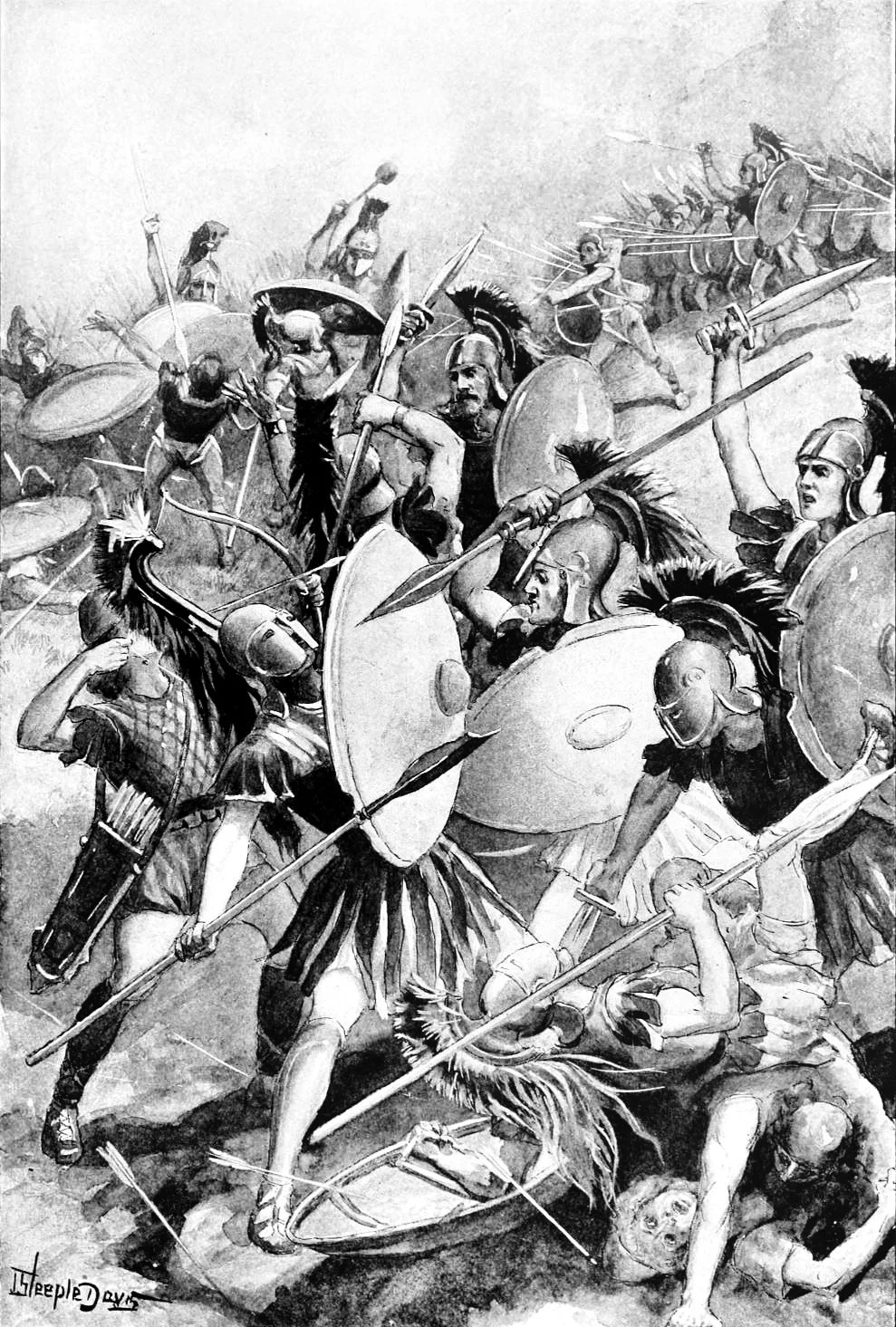
Greek heavy infantry had advantages in armor, shields, and close-order combat.
The Immortals
The Persian elite Immortals were eventually sent against the Greeks.
Despite their reputation, they failed to break through the defensive position.
Ephialtes
The turning point came when a Greek named Ephialtes informed the Persians of a mountain path around the Greek position.
This allowed Persian troops to approach the defenders from the rear.
Leonidas' Decision
Leonidas recognized that the position was becoming untenable.
He ordered many of the allied troops to withdraw.
He remained with a smaller force.
The exact reasons remain debated.
It may have been intended to cover the retreat and delay the Persian advance.
The Final Stand
Leonidas and his remaining soldiers fought until they were overwhelmed.
The Spartans were joined by Thespians and possibly others.
The Thespian contribution is often overlooked.
The Death of Leonidas
Leonidas became a symbol of military courage.
His death was later commemorated in Greek culture.
The story became especially important to Spartan identity.
Thermopylae Was a Defeat
Militarily, Thermopylae was a Persian victory.
The Persian army eventually passed through the position.
The Greek defenders were killed or forced to withdraw.
Calling Thermopylae a Greek military victory is therefore inaccurate.
Its importance lies in its strategic and symbolic consequences.
Why It Mattered
The defense delayed the Persian advance.
More importantly, it demonstrated that Persian forces could be resisted effectively under favorable conditions.
The battle also gave Greek communities time to continue organizing their wider defense.
Salamis
The Persian army continued south.
Athens was evacuated.
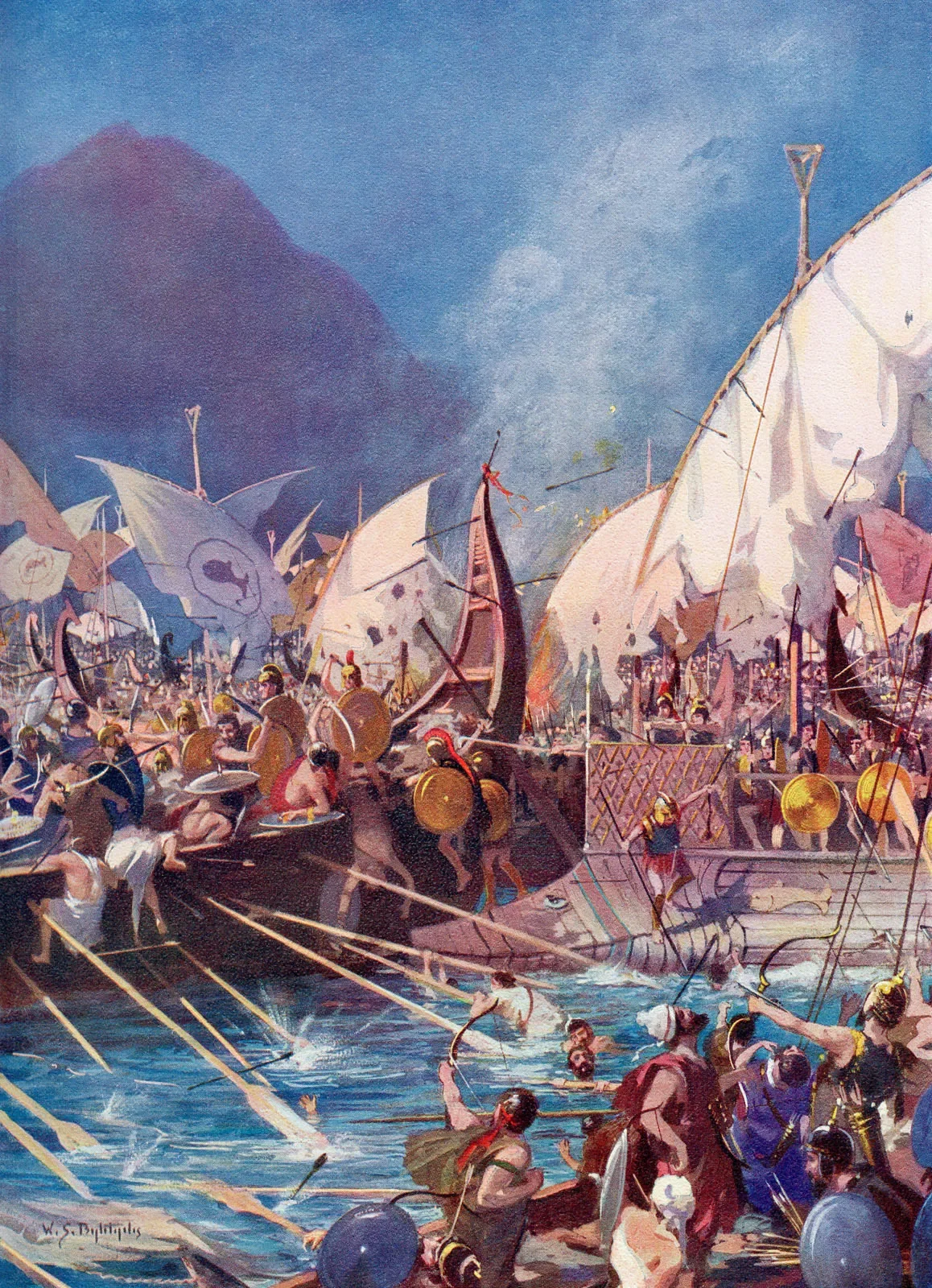
The Greek fleet later defeated the Persian navy at Salamis.
This naval victory became strategically decisive.
Plataea
The following year, Greek forces defeated the Persian land army at Plataea.
The Persian invasion ultimately failed.
Myth and Memory
The image of "300 Spartans" became increasingly dominant in later popular culture.
Ancient sources, however, preserve evidence of broader Greek participation.
The battle should therefore be remembered not merely as a Spartan story.
It was a coalition defense involving multiple Greek communities.
Historical Significance
Thermopylae illustrates the difference between tactical defeat and historical significance.
The Greeks lost the battlefield.
Yet the defense became a powerful symbol of resistance.
Its legacy demonstrates how military events can acquire meanings far beyond their immediate strategic results.