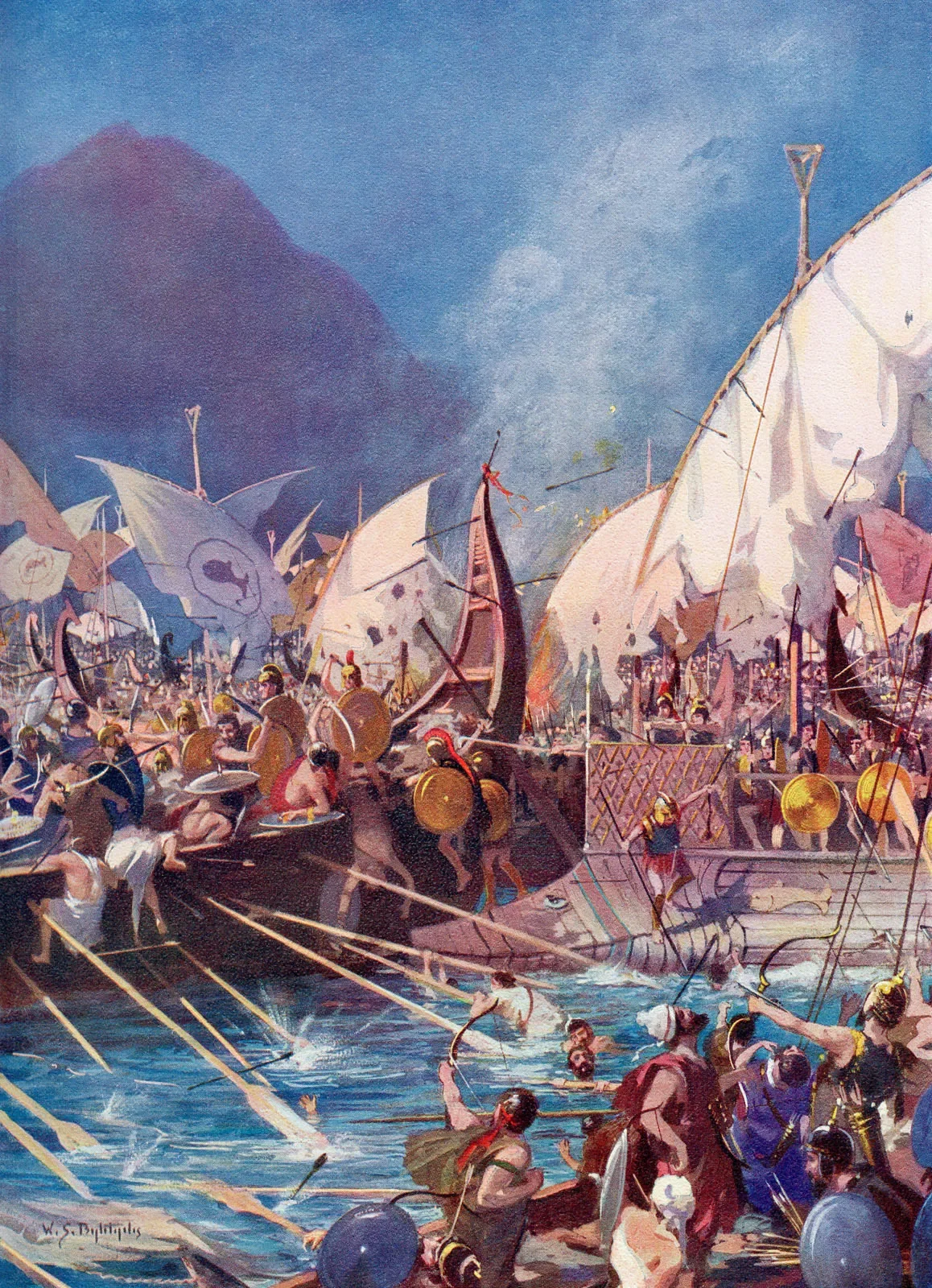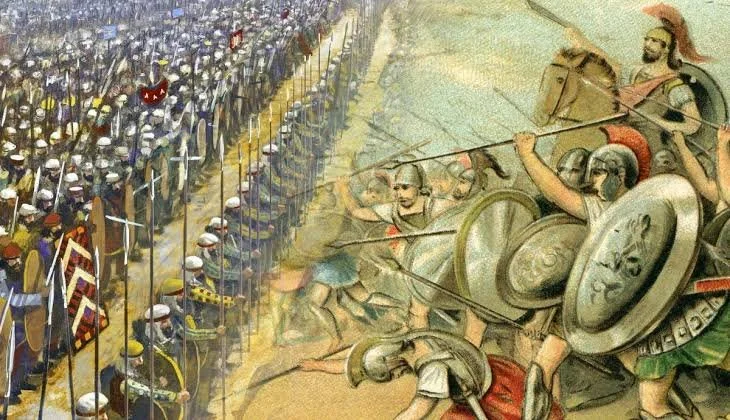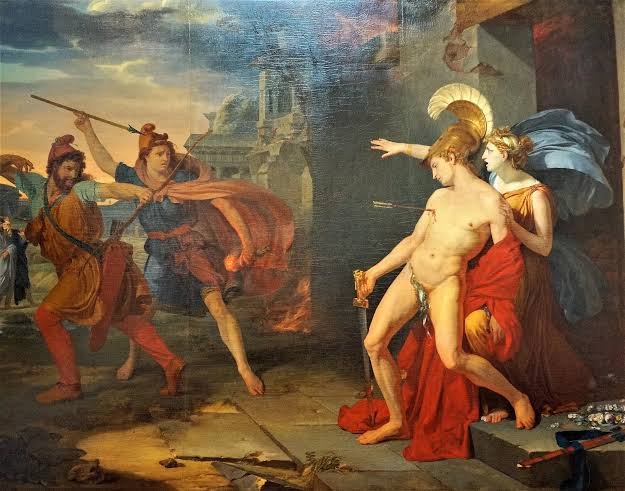
The Trojan War occupies a unique position between mythology and history. Ancient Greek tradition presented it as a monumental conflict between the Greeks and the city of Troy, supposedly caused by the abduction—or elopement—of Helen, wife of Menelaus.
Yet the historical question is much more complicated.
The most famous literary account is Homer's Iliad, but the poem does not narrate the entire Trojan War.
Instead, it focuses on a short period during the final stages of the conflict, especially the anger of Achilles and its consequences.
The larger Trojan cycle was preserved through numerous poems and later literary traditions.
According to mythology, the conflict began with the Judgment of Paris.
Paris, prince of Troy, was asked to judge which of three goddesses—Hera, Athena, or Aphrodite—was the most beautiful.
Aphrodite promised him the love of the world's most beautiful woman, Helen.
Paris eventually traveled to Sparta and became involved with Helen.
Menelaus, Helen's husband, demanded her return.
The Greek kings gathered an expedition against Troy.
Agamemnon became commander of the Greek forces.
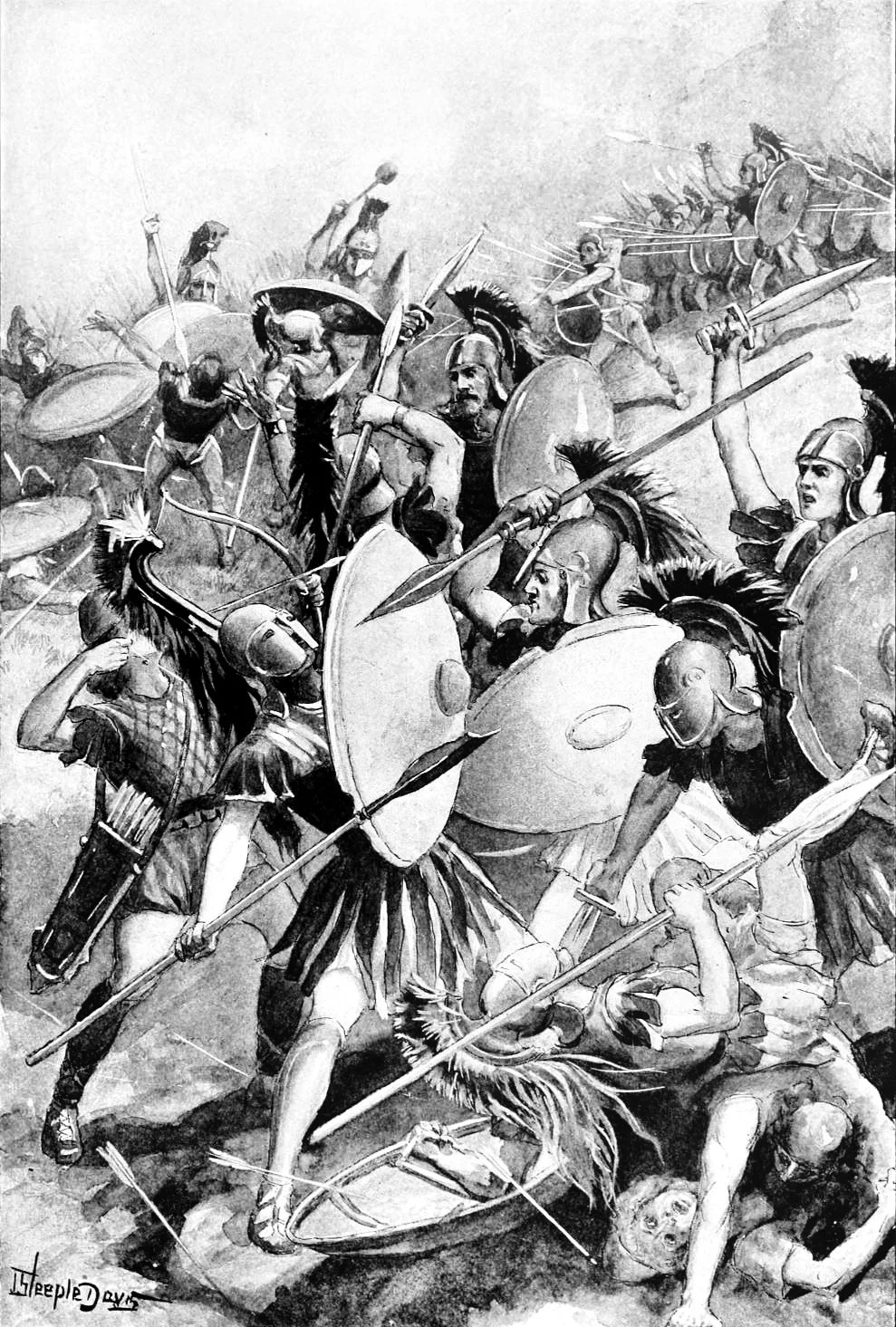
The mythical army included famous heroes such as Achilles, Ajax, Odysseus, Diomedes, Nestor, and Patroclus.
The war lasted ten years in traditional accounts.
But there is an important historical distinction: Homeric poetry cannot be treated as a straightforward military chronicle.
Troy itself, however, was real.
Archaeological excavations at Hisarlik in modern Turkey have revealed multiple layers of settlement. One or more of these settlements may correspond to the Troy remembered in Greek tradition.
The exact historical event remains uncertain.
There may have been a conflict involving the city, but evidence does not establish that the Trojan War occurred exactly as described in mythology.
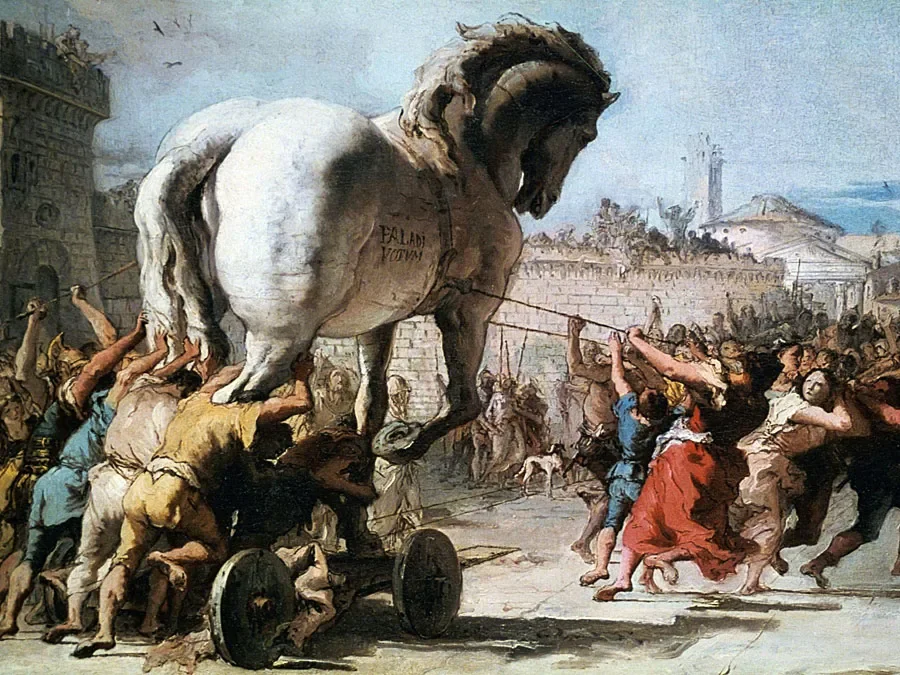
The famous Trojan Horse is also difficult to interpret historically.
The Odyssey and later traditions describe the Greeks constructing a wooden horse and hiding warriors inside it. Troy accepted the horse as a supposed offering, allowing the Greeks into the city.
Some scholars have suggested possible historical inspirations, such as siege machines or metaphoric descriptions of ships, but there is no archaeological evidence proving the literal existence of a giant wooden horse.
The myth nevertheless communicates important Greek ideas about warfare.
Honor was central.
Achilles' refusal to fight after a dispute with Agamemnon demonstrates how personal honor could influence an entire army.
The death of Patroclus draws Achilles back into battle.
Achilles' killing of Hector becomes the emotional climax of the Iliad.
The poem also humanizes the enemy.
Hector is not portrayed merely as a villain. He is a husband, father, son, and defender of Troy.
His encounter with Andromache is among the most famous examples of the personal cost of war in ancient literature.
The Trojan War therefore became more than a story about Greek victory.
It became a meditation on mortality, honor, heroism, grief, rage, and the destruction caused by war.
Whether the historical Trojan War occurred exactly as tradition describes cannot be established.
What can be said with greater confidence is that a real Bronze Age city existed at Hisarlik and that conflict occurred in the region. Greek oral traditions may have preserved distant memories of Bronze Age warfare and political relationships.
Over centuries, those memories were transformed into epic poetry.
The "real story" is therefore partly historical and partly literary.
Troy was real.
The exact war remains uncertain.
But the cultural impact of the Trojan tradition is unquestionably real.